Maa Chintpurni Temple (Chhinnamastika Shakti Peeth): Complete Pilgrimage & Darshan Guide
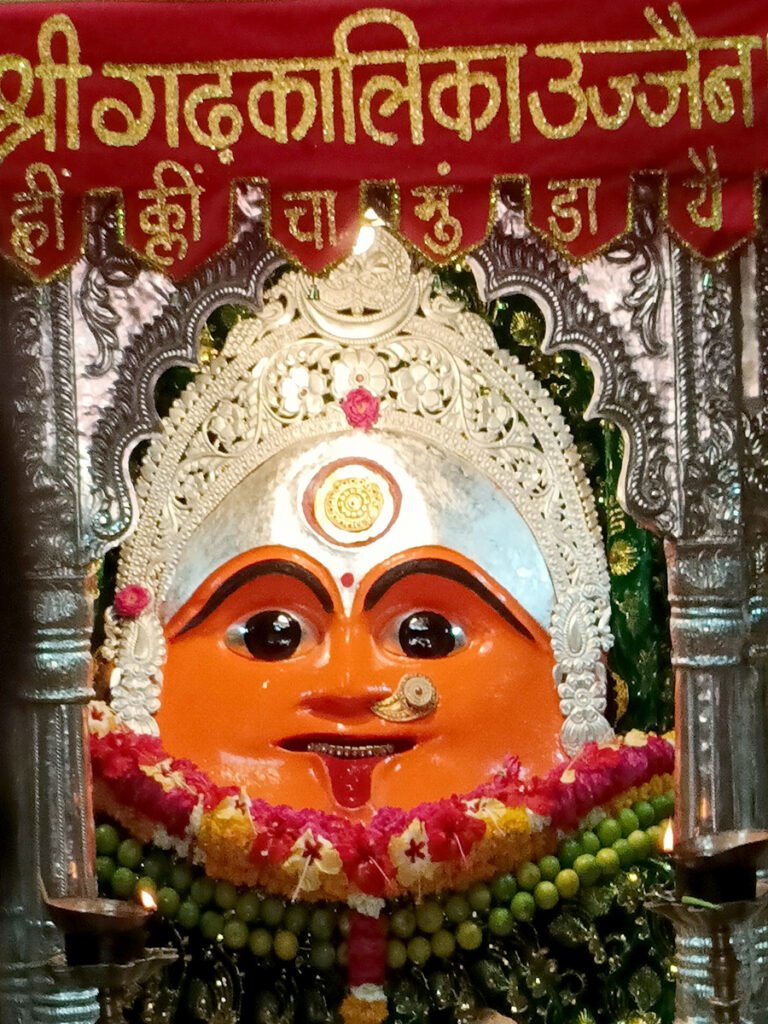
Maa Chintpurni Temple, located in the Una district of Himachal Pradesh, is one of the most revered shrines among the 51 sacred Shakti Peethas of India. Dedicated to Goddess Chhinnamastika—the divine deity who removes all worries and worldly anxieties—the temple draws millions of pilgrims every year who come to seek peace, perform family rituals like the mundan (child’s first haircut), and pay homage along the renowned Himachal Devi Darshan pilgrimage route.

The shrine sits in a picturesque valley amidst the gentle ridges of the Shivalik range. Whether you are visiting for the first time or returning on your annual family pilgrimage, having clear, verified details about temple opening times, transport routes, ticket systems, and local customs will make your journey smooth and fulfilling.
Quick Information: Maa Chintpurni Temple
| Key Detail | Verified Information |
| Temple Name | Maa Chintpurni Devi Temple (Mata Chintpurni) |
| Presiding Deity | Goddess Chhinnamastika / Maa Chintpurni (Form of Adi Shakti) |
| Temple Location | Chintpurni Village, Amb Tehsil, Una District, Himachal Pradesh, India |
| Geographical Setting | Low Shivalik Hills (Elevation: ~980 meters / 3,215 feet) |
| Temple Category | Shakti Peeth (Associated with the sacred fall of Sati’s feet/forehead) |
| Daily Darshan Timings | Summer: 4:00 AM to 10:00 PM Winter: 5:00 AM to 9:30 PM (Subject to brief closures during Bhog/Snan) |
| Morning Aarti | Approx. 5:00 AM – 6:00 AM (Followed by public darshan) |
| Evening Aarti | Approx. 7:30 PM – 8:30 PM (Winter) / 8:00 PM – 9:00 PM (Summer) |
| Nearest Railway Station | Amb Andaura (AADR) – ~20 km; Una Himachal (UHL) – ~55 km |
| Nearest Airport | Dharamshala Kangra Airport (Gaggal – DHM) – ~75 km |
| Best Time to Visit | October to March (Pleasant weather); Navratri & Sawan Ashtami for festive atmosphere |
| Major Festivals | Chaitra Navratri, Ashwin (Sharad) Navratri, Sawan Fair (Shravana Ashtami Mela) |
| Entry Fee | Free general entry; paid priority/queue passes available via Sugam Darshan system |
| Special Rituals | Mundan Sanskar (tonsure ceremony), Kanya Pujan, Havan, Dhwaja (flag) offering |
| Administrative Authority | Temple Trust Chintpurni (Chaired by SDM Amb / DC Una, Himachal Pradesh) |
Read More>> Jayanthi Nartiang Durga Temple

Spiritual Significance: The Legend of Goddess Chhinnamastika
The sacred name Chintpurni literally translates to “she who fulfills every wish and removes all worry” (Chinta Harne Wali). In Hindu theology, the presiding deity of this shrine is revered as Maa Chhinnamastika, one of the ten fierce and compassionate manifestations of the Divine Mother known as the Mahavidyas.
The Shakti Peeth Legend
According to ancient Puranic accounts, after Goddess Sati immolated herself in the sacrificial fire of King Daksha’s yajna, a grief-stricken Lord Shiva carried her body across the cosmos in his cosmic dance of destruction (Tandava). To restore cosmic balance and relieve Shiva of his sorrow, Lord Vishnu used his Sudarshana Chakra to divide Sati’s body into sacred fragments. Wherever these divine relics touched the earth, a Shakti Peeth emerged.
In sacred texts like the Peeth Nirnaya, tradition holds that the feet (Charan Paduka) or the forehead of Mata Sati fell at this spot in the Shivalik ranges, turning the ground into a permanent fountain of divine feminine grace.
The Sthala Purana of Bhakt Mai Das
The living worship tradition of Chintpurni is closely tied to the devotion of Pandit Mai Das, a 16th-century Brahmin devotee of the Mother Goddess. As local lore recounts, Mai Das was traveling through this hilly forest path to his in-laws’ home when he sat to rest under a large banyan tree and fell into a deep sleep. In a vivid dream, he heard the voice of a young maiden asking him to stay and serve her at that spot.
Hesitant because of his domestic duties, Mai Das prayed for guidance. The Goddess appeared before him in her divine radiance, instructed him to uncover her presence under the banyan tree, and assured him that anyone who visited this quiet hillock with a pure heart would have their sorrows dissolved. Mai Das established the daily worship of the sacred stone pindis, and his descendants (known locally as the Baridar priests) continue to assist in the ceremonial services at the shrine to this day.
Read More>> Secret Goddess: Guhyeshwari Temple

Inside the Temple: Deity Form and Sacred Compound
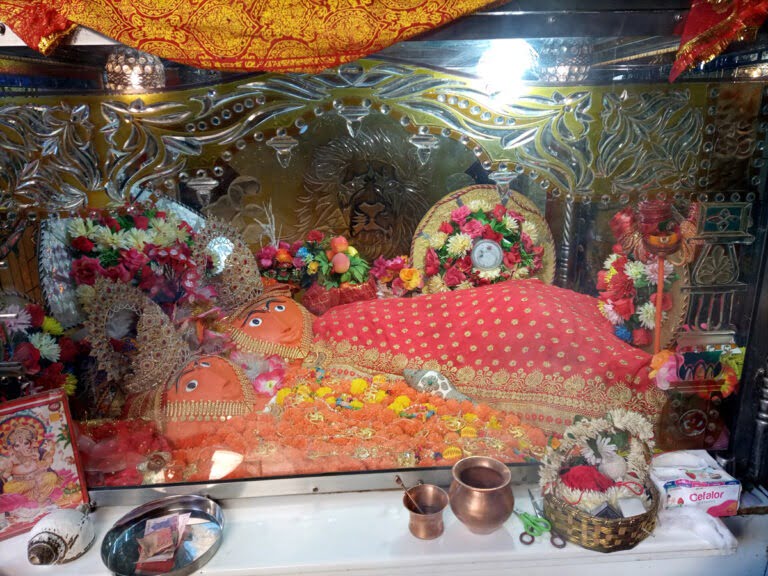
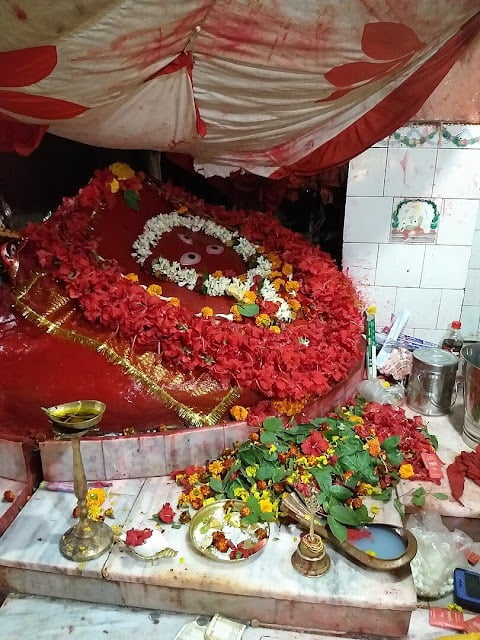
Unlike grand temples with elaborate carved granite idols, the inner sanctum (Garbhagriha) of Chintpurni holds a sacred, round natural rock formation known as the Pindi.
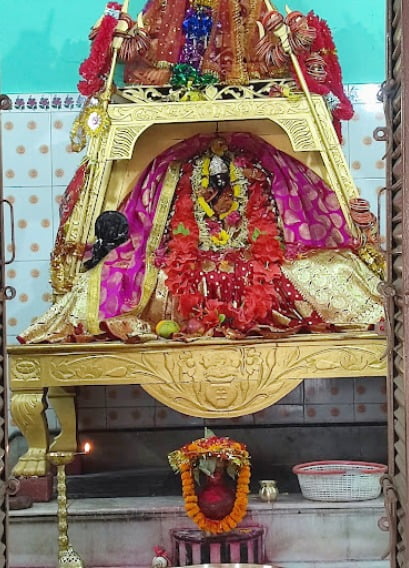
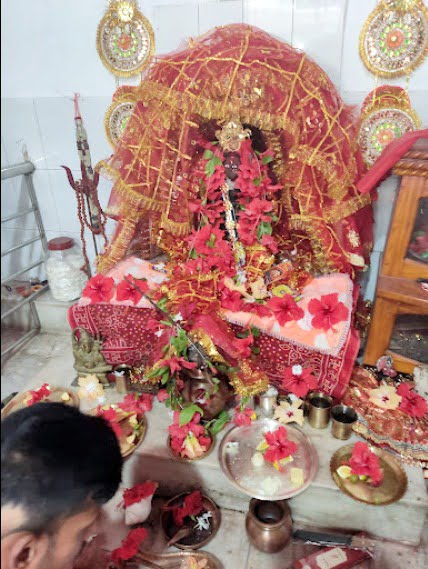
- The Divine Pindi: The stone pindi represents the formless, unmanifest power of Adi Shakti. It is adorned with shimmering silk clothes (chunari), fresh marigold garlands, and a gold and silver canopy (chhatra). The central pindi is viewed as Maa Chintpurni, flanked by representations of her divine companions.
- The Sacred Vata Vriksha (Banyan Tree): Standing inside the temple courtyard is an ancient banyan tree. Devotees tie sacred red and yellow threads (mauli) to its sprawling branches while making a silent prayer. When their wish is fulfilled, tradition encourages pilgrims to return to untie a thread in gratitude.
- The Akhand Jyoti: A continuously burning sacred flame is maintained near the inner sanctum, symbolizing the eternal presence of the Goddess illuminating worldly darkness.
Temple Darshan Timings, Aarti, and Queue Guidelines
The temple operates every single day of the year, although the exact hours adjust slightly depending on the season and major festival periods.
Daily Schedule
04:00 AM / 05:00 AM ──> Morning Opening & Temple Cleansing
05:00 AM – 06:00 AM ──> Mangala Aarti & Public Morning Darshan
12:00 PM – 12:30 PM ──> Madhyahna Bhog (Inner sanctum curtain closed briefly)
07:30 PM – 08:30 PM ──> Sandhya Aarti (Evening Prayers)
10:00 PM ──> Shayan Aarti & Night Temple Closing
Note: Timings are pushed forward by roughly one hour during cold winter months. On festival days like Ashtami during Navratri, the temple remains open practically around the clock.

Sugam Darshan (Priority Pass) System
To prevent crowding in the narrow village streets and long queue corridors, the Chintpurni Temple Trust introduced the Sugam Darshan System:
- Queue Management Complex: Pilgrims can register at the modern waiting hall complex located before the final temple lane.
- Tokens and Passes: Senior citizens, pregnant women, and families who need assisted access can obtain priority tokens (subject to modest administrative charges set by the temple board).
- Elevators and Ramps: The administration has built ramps and elevators to help disabled visitors and elders bypass the long flights of steps leading to the main entrance.
Rituals, Offerings, and Family Ceremonies
Devotees come to Chintpurni not just for a quick sight of the deity, but to conduct meaningful family ceremonies that have been passed down for generations.
1. Mundan Sanskar (First Haircut Ceremony)
Chintpurni is one of northern India’s most favored destinations for a child’s Mundan Sanskar (the ritual shaving of the head).
- Dedicated halls and barber shelters are set up near the temple premises under trust supervision to ensure hygiene.
- It is customary to take the child for darshan right after the haircut, offering a coconut and applying a paste of sandalwood or haldi to the child’s scalp for cooling and blessings.
2. Traditional Prasad Offerings
The customary offering at Chintpurni includes:
- A clean water coconut wrapped in red cloth (chunari).
- Puffed sugar candy (makhana) and sugar drops (patasa).
- Dry fruits, especially dried coconut slices (giri).
- Fresh sweet pedas prepared from condensed milk, widely available in licensed sweets shops along the temple alleyway.
Safety tip: Purchase prasad only from clean, certified shops along the main temple road. Keep your footwear at the designated free shoe-stands run by the temple trust near the bazaar entrance rather than leaving them in private shops.
3. Kanya Pujan and Halwa-Puri Seva
Feeding young girls (symbolizing the nine divine forms of Navdurga) is considered deeply meritorious here. Many families bring home-cooked dry halwa and puris, or sponsor meals through trusted community kitchens (langars) run by charitable trusts around Bharwain and Chintpurni village.
How to Reach Maa Chintpurni Temple
Chintpurni is situated along National Highway 503 (NH-503), making it easily accessible from Punjab, Haryana, and neighboring districts of Himachal Pradesh.
1. By Train (Fastest & Most Convenient)
- Amb Andaura Railway Station (Station Code: AADR): Located just 20 kilometers away, this is the closest rail connection. It is directly linked to New Delhi via the daily New Delhi – Amb Andaura Vande Bharat Express, which covers the distance from the national capital in approximately 5.5 hours. From Amb, state buses, shared jeeps, and private taxis take just 30 to 40 minutes to reach the temple.
- Una Himachal Railway Station (Station Code: UHL): Located roughly 55 kilometers away, Una connects to several broad-gauge express trains from Delhi, Haridwar, and Chandigarh.
- Hoshiarpur Railway Station (Station Code: HSX): Located about 45 kilometers southwest across the Punjab border, useful for travelers coming via Jalandhar.
2. By Road
- From Chandigarh (~175 km, 4–5 hours): Follow the route via Rupnagar (Ropar) ➔ Anandpur Sahib ➔ Una ➔ Amb ➔ Bharwain ➔ Chintpurni. The highway is largely multi-laned, offering smooth travel through the Shivalik foothills.
- From Jalandhar / Hoshiarpur (~90 km, 2.5 hours): Take the direct Hoshiarpur ➔ Gagret ➔ Mubarakpur ➔ Bharwain ➔ Chintpurni road.
- From Delhi (~400 km, 7–8 hours): Follow NH-44 past Ambala, branch toward Chandigarh/Rupnagar, and take NH-503 into Himachal Pradesh.
- Bus Services: Regular Himachal Road Transport Corporation (HRTC) and Punjab Roadways buses operate direct services to Chintpurni from Delhi (ISBT Kashmiri Gate), Chandigarh (ISBT Sector 43), Jalandhar, Amritsar, and Ludhiana.
3. By Air
- Dharamshala Kangra Airport (Gaggal – DHM): Roughly 75 km north of the temple. Taxis to Chintpurni take about 2 to 2.5 hours.
- Chandigarh International Airport (IXC): Located about 185 km away, offering broad domestic flight connections across India.

Best Time to Visit and Seasonal Insights
The hillock of Chintpurni can be visited all year round, but each season brings a distinct atmosphere.
- Winter (October to March) — Ideal for Quiet Pilgrimages: The weather is cool, crisp, and comfortable, with daytime temperatures hovering between 12°C and 22°C. It is the best period for elderly pilgrims and families with young children because queues move smoothly without extreme heat.
- Summer (April to June) — Warm Foothills: Daytime temperatures can rise to 35°C–38°C in the Shivalik foothills. Visiting early in the morning or during evening hours is recommended.
- Monsoon & Sawan Mela (July to September): The region receives moderate to heavy rains, turning the lower hills vibrant green. The massive Sawan Ashtami Fair takes place in July/August. Hundreds of thousands of devotees walk in processions carrying colorful devotional flags (dhwajas). Expect massive queues and strict traffic restrictions near Bharwain.
The Sacred Circuit: Visiting the 5 Devi Temples of Himachal
Most pilgrims visiting Chintpurni combine their journey into the revered Himachal Devi Darshan Yatra, paying respects at the sister Shakti Peethas located in the lower Shivalik and Kangra valleys.
- Maa Chintpurni (Una): Dedicated to the form of Chhinnamastika who severs worry.
- Jwala Ji Temple (Kangra, ~35 km from Chintpurni): Where Sati’s tongue fell; famous for its eternal, natural blue flames burning out of solid rock fissures without any wick or oil.
- Maa Brajeshwari Devi Temple (Kangra Town, ~35 km from Jwala Ji): Also known as Kangra Devi, where Sati’s left breast fell; one of the wealthiest historical shrines of North India.
- Chamunda Devi Temple (Dharamshala Road, ~20 km from Kangra): A peaceful riverside shrine dedicated to the warrior goddess who destroyed demons Chanda and Munda.
- Mata Naina Devi Temple (Bilaspur, ~110 km southeast): Perched high on a hilltop overlooking Govind Sagar Lake, commemorating where Sati’s eyes fell.
If you are planning this complete pilgrimage circuit, allocating 3 days and 2 nights ensures a relaxed itinerary without feeling rushed.
Practical Visitor Tips: Parking, Stay, and Safety
- Vehicle Access and Parking: Vehicles are halted at designated multi-level parking grounds near Bharwain or below the main village to keep the narrow temple lanes pedestrian-safe. From the main parking lot, battery-operated eco-rickshaws and shared transport ferry pilgrims closer to the shrine gates.
- Footwear and Bags: Free footwear counters operated by the temple trust are stationed before the entrance. Avoid carrying large backpacks into the inner queue lines, as security screening is active.
- Accommodation: The Himachal Pradesh Tourism Development Corporation (HPTDC) runs Hotel The Chintpurni Heights at Bharwain (~3 km from the shrine), providing clean rooms with panoramic valley views. In addition, numerous private hotels, guesthouses, and non-profit community dharamshalas line the road between Amb, Bharwain, and the main shrine.
- Dress Code and Etiquette: Modest attire that covers shoulders and knees is appropriate. Photography and mobile video recording are strictly prohibited inside the Garbhagriha to respect the sanctity of the sanctum.
Frequently Asked Questions
What is the closest railway station to Chintpurni Temple?
The closest railway station is Amb Andaura (AADR), located about 20 km away. It is directly connected to New Delhi via the semi-high-speed Vande Bharat Express. Alternatively, Una Himachal (55 km) and Hoshiarpur (45 km) are viable railheads.
How much time does it take for darshan at Chintpurni?
On normal weekdays, darshan usually takes 30 to 60 minutes. On weekends, Navratri, or during the Sawan Fair, wait times can extend from 3 to 6 hours unless a priority queue token is arranged.
Can we perform Mundan ceremony at Chintpurni?
Yes. Chintpurni is an auspicious venue for children’s Mundan (head-shaving) ceremonies. Dedicated municipal and temple trust facilities are available near the complex with authorized barbers and bathing areas.
What fell at Chintpurni Shakti Peeth?
According to scriptural tradition and regional lore, the sacred feet (Charan Paduka) or the forehead of Mata Sati fell here after Lord Vishnu divided her mortal remains to preserve cosmic order.
Are mobile phones allowed inside the temple?
Mobile phones can be carried in your pockets, but taking photos or recording videos inside the Garbhagriha (inner sanctum) is strictly forbidden by the temple administration.