Kalpeshwar Temple: Complete Guide to the 5th Panch Kedar Shrine
Kalpeshwar Temple is an ancient rock-cut cave shrine located in the serene Urgam Valley of Chamoli district, Uttarakhand. Dedicated to Lord Shiva, it holds the revered status of being the fifth and final shrine in the sacred Panch Kedar pilgrimage circuit. At Kalpeshwar, devotees worship Lord Shiva in the form of his Jata (divine matted hair). Standing apart from the other four Kedars, Kalpeshwar is situated at an accessible altitude of approximately 2,200 meters (7,217 feet) and remains open to pilgrims throughout all 12 months of the year.

Whether you are completing the sacred Panch Kedar yatra, visiting nearby holy hubs like the Joshimath transit center, or exploring the untouched beauty of the Garhwal Himalayas, this guide provides verified practical details on temple timings, road routes, trekking facts, mythological origins, and seasonal advice.
Quick Information: Kalpeshwar Temple at a Glance
| Feature | Verified Detail |
| Temple Name | Kalpeshwar Mahadev Temple ( कल्पेश्वर महादेव) |
| Deity Worshipped | Lord Shiva (worshipped as his divine Jata or matted locks) |
| Circuit Position | 5th and final temple of the sacred Panch Kedar |
| Location | Devgram village, Urgam Valley, Chamoli District, Uttarakhand, India |
| Elevation | Approx. 2,200 meters (7,217 feet) above sea level |
| Temple Status | Open year-round (Does not close during winter) |
| Daily Darshan Timings | 06:00 AM to 07:00 PM (open daily) |
| Morning Aarti | Approx. 06:30 AM to 07:00 AM |
| Evening Aarti | Approx. 06:30 PM to 07:00 PM |
| Best Months to Visit | May to June (pleasant summer) & September to November (crisp autumn) |
| Trek Distance | Approx. 250 to 500 meters from the Devgram roadhead |
| Trek Difficulty | Very Easy (paved village path and bridge crossing) |
| Nearest Town / Highway Hub | Helang (14 km on NH-7) & Joshimath (30 km) |
| Nearest Railway Station | Rishikesh / Yog Nagari Rishikesh (approx. 255 km) |
| Nearest Airport | Jolly Grant Airport, Dehradun (approx. 270 km) |
| Entry Fee | Free public darshan (No VIP passes required) |
Read More>> Shivoham Shiva Temple: 65 Foot Tall Statue of Lord Shiva
The Significance of Kalpeshwar in the Panch Kedar Circuit
The Panch Kedar refers to a group of five sacred Himalayan shrines in Garhwal dedicated to Lord Shiva. According to sacred Hindu tradition, each shrine represents a distinct part of Lord Shiva’s divine form:
- Kedarnath Temple: The hump (Prishtha)
- Madhyamaheshwar in the Mansuna valley: The navel (Nabhi)
- Tungnath: The arms (Bahu)
- The rugged trek to Rudranath: The face (Mukh)
- Kalpeshwar Temple: The hair and matted locks (Jata)
Because of this anatomical manifestation, Lord Shiva is fondly worshipped here as Jateshwar or Jatadhari Shiva.
Read More>> Veerabhadra Swamy Temple Lepakshi: 26Ft Huge Nandi, Hanging Pillar

Why Kalpeshwar Never Closes in Winter
Unlike the other four Panch Kedar shrines, which sit above 3,400 meters and receive extreme snowfall from November to April, Kalpeshwar rests at a moderate mountain altitude in the sheltered bowl of Urgam Valley.
Because the valley remains accessible and temperatures rarely drop below freezing during the day, the temple priests conduct daily worship inside the sanctum throughout the entire year. While the deities of Kedarnath move to Ukhimath and Tungnath moves to Makkumath during winter, the presiding energy of Kalpeshwar remains seated permanently in its original rock cave.
Read More>> 2500 Years (Lord Krishna) Dwarkadhish Temple: Where Miracles Still Happen
Mythological Origins: Sthala Purana & Legends
The historical and mythological lineage of Kalpeshwar is tied directly to the aftermath of the Kurukshetra War documented in the epic Mahabharata.
The Pandavas’ Search for Redemption
Having defeated their kin the Kauravas, the five Pandava brothers and Draupadi sought liberation (Moksha) from the sins of Gotra Hatya (slaying of clan kin) and Brahma Hatya (slaying of learned warriors). Sage Vyasa advised them that only Lord Shiva could pardon them.
Shiva, unwilling to grant absolution easily, assumed the form of a celestial bull (Nandi) and roamed the high meadows of Garhwal. When the Pandavas located him, Shiva dove underground to elude them. His body remanifested at five sacred locations: his hump appeared at Kedarnath, his arms emerged at Tungnath, his navel at Madhyamaheshwar, and his face at Rudranath.
Finally, his divine matted locks (Jata) surfaced in the verdant Urgam Valley, creating the sanctum known as Kalpeshwar.
The Penance of Sage Durvasa and the Kalpavriksha
Local temple tradition also associates the valley with the fiery sage Durvasa. Ancient lore states that Durvasa Rishi meditated in a natural cave adjacent to the present shrine under the shade of a sacred Kalpavriksha (the wish-fulfilling tree of Hindu cosmology).
Devotees believe that prayers offered here with pure focus yield spiritual clarity, inner peace, and relief from karmic burdens. Within the village of Urgam, an ancient mulberry tree is still preserved and revered by locals as a living representation of this wish-yielding tree.

Architecture of the Cave Shrine and Temple Complex
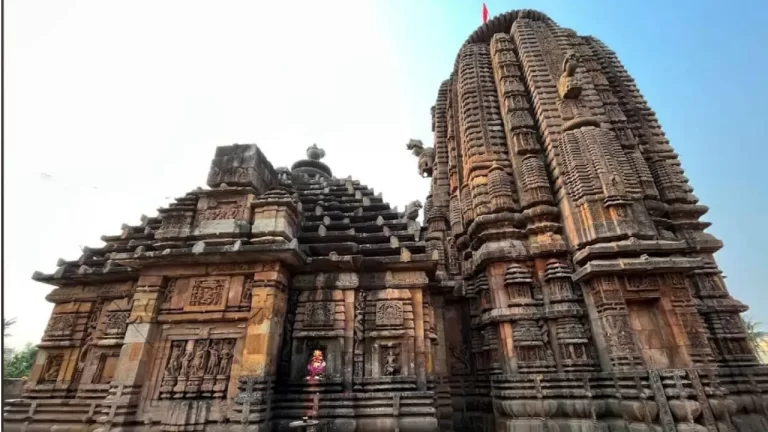
Kalpeshwar is distinct from traditional North Indian Nagara or Panchayatana structural stone temples. It is primarily an organic rock-cut cave sanctuary.
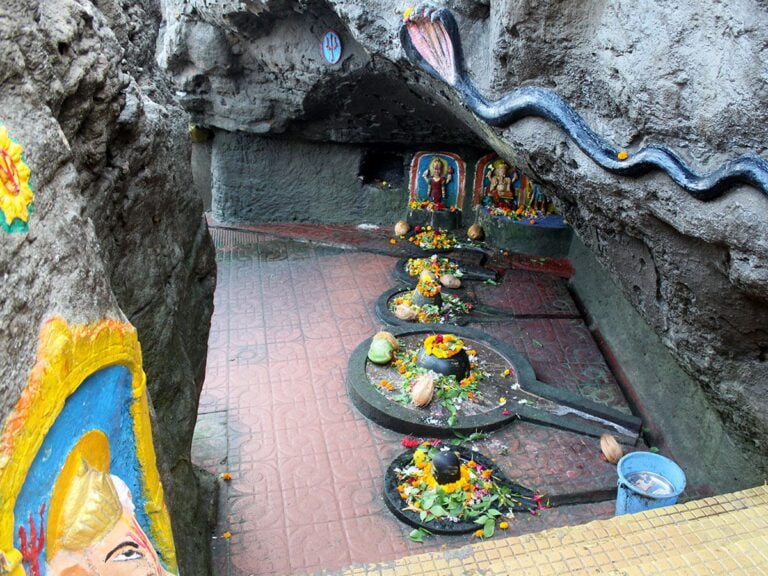
The Cave Sanctum: The core shrine resides within a small, dim, natural cavern. Inside, a natural rock formation protruding from the stone ceiling is worshipped as the Jata of Shiva. Water trickles naturally through mountain rock fissures over the rock formation.
Outer Stone Facade: Outside the cave mouth, a modest traditional stone-and-slate structure protects the entryway, housing brass bells offered by grateful pilgrims.
Sacred Water Body: Directly adjacent to the temple flows the crystal-clear Kalpaganga river (also referred to locally as the Hiranyavati). The water is believed to hold medicinal and purifying properties.
Smaller Shrines: Surrounding the main cave are small shrines dedicated to Lord Ganesha, the goddess Parvati, and the hermitage rock attributed to Sage Durvasa.
Read More>> Maa Mundeshwari Devi Temple: Unveiling 4th Century Secrets
How to Reach Kalpeshwar Temple: Comprehensive Route Breakdown
Traveling to Kalpeshwar involves two distinct legs: the main national highway journey along the Alaknanda river valley to Helang, followed by a picturesque drive through the Urgam Valley to Devgram.
Step 1: Haridwar/Rishikesh to Helang (Approx. 240–255 km)
The primary access road follows National Highway 7 (Badrinath Highway).
- By Bus or Shared Taxi: Regular buses and shared jeeps operate daily from Haridwar and Rishikesh heading toward Joshimath or Badrinath. You disembark at Helang, a small roadside junction situated between Pipalkoti and Joshimath.
- Driving Route: Rishikesh → Devprayag → Srinagar → Rudraprayag → Karnaprayag → Chamoli → Pipalkoti → Helang. The entire drive generally takes 8 to 10 hours depending on road and traffic conditions.
Step 2: Helang to Urgam / Devgram (14 km)
At Helang junction, you leave the national highway and descend toward the bridge crossing the Alaknanda River, climbing up into the Urgam Valley.
- Local Transport: Shared Mahindra Maxx jeeps operate between Helang and Urgam/Devgram throughout the morning and early afternoon.
- Road Condition: The road is a single-lane mountain road, paved for most stretches with occasional unpaved sections near seasonal streams. Private cars with good ground clearance can reach Devgram comfortably.
Step 3: Devgram to the Temple (Walking Section: 250 m to 1 km)
Years ago, reaching Kalpeshwar required a rigorous 9 km uphill trek from Helang. Today, thanks to the rural road network, vehicles stop at Devgram village.
From the parking spot, visitors walk across a well-built pedestrian suspension footbridge over the Kalpaganga river, pass picturesque terraced fields of barley and apples, and reach the temple steps in approximately 10 to 15 minutes. The path is gently sloped and paved with stone slabs, making it easily manageable for elderly family members and young children.

Kalpeshwar Temple Timings: Daily Darshan Aarti & Ritual Etiquette
Kalpeshwar Temple follows a peaceful, unhurried daily schedule compared to the heavily crowded shrines of the Char Dham.
- Opening Time: The temple opens at 06:00 AM every morning.
- Morning Worship (Mangala Aarti): Between 06:30 AM and 07:00 AM, the local priest (pujari) performs the ceremonial bathing of the rock-cut Jatas and recites traditional Vedic hymns.
- General Darshan: Devotees may enter throughout the day from 07:00 AM to 12:30 PM and from 02:00 PM to 06:30 PM.
- Evening Aarti (Sandhya Aarti): Held between 06:30 PM and 07:00 PM, featuring oil lamps, conch shells, and traditional Garhwali hymns.
- Closing Time: The sanctum closes for the night around 07:00 PM to 07:30 PM.
Offerings and Ritual Etiquette
Devotees traditionally offer fresh bel patra (wood apple leaves), wild Himalayan flowers, fresh unboiled milk, and sacred water taken from the Kalpaganga stream. Devotees are expected to remove footwear outside the stone courtyard. Photography inside the inner rock sanctum is strictly prohibited out of respect for the sanctum’s sanctity.
Best Time to Visit and Seasonal Guide
Because Kalpeshwar remains open all year, your choice of season depends on whether you prefer lush summer greenery, clear autumn mountain views, or crisp, peaceful winter landscapes.
Summer (April to June) — Ideal for Families & Circuits
- Day Temperature: 15°C to 24°C
- Night Temperature: 8°C to 12°C
- Highlights: The weather is warm and pleasant. The terraced valley of Urgam is covered in apple blossoms and green crops. This is the optimal window to combine Kalpeshwar with Tungnath, Kedarnath, or Badrinath.
Monsoon (July to August) — Verdant but Requires Caution
- Day Temperature: 18°C to 22°C
- Night Temperature: 12°C to 15°C
- Highlights: Urgam Valley turns into an emerald paradise with numerous temporary waterfalls. However, heavy rains can cause localized rockfalls along the Rishikesh–Joshimath highway and the Helang link road. Always monitor the official updates from the Chamoli District Administration before traveling in late July or August.
Autumn (September to November) — Best Visibility
- Day Temperature: 10°C to 18°C
- Night Temperature: 2°C to 8°C
- Highlights: The monsoon clouds clear, leaving razor-sharp views of surrounding Himalayan peaks. October brings comfortable walking weather during the day and crisp mountain evenings.
Winter (December to March) — Quiet Spiritual Solitude
- Day Temperature: 8°C to 14°C
- Night Temperature: -2°C to 4°C
- Highlights: While Kedarnath and Tungnath are closed under meters of snow, Kalpeshwar welcomes pilgrims seeking peaceful meditation. Urgam Valley receives occasional light snowfall, but roads generally remain open or clear quickly. Warm layered clothing is essential.

Accommodation and Food in Urgam Valley
Unlike major commercial temple towns, Devgram and Urgam offer authentic, low-impact local hospitality:
- Village Homestays: Devgram village has several clean, family-run homestays. Staying in a homestay allows you to experience authentic Garhwali culture, wooden architecture, and home-cooked meals made from locally grown organic pulses (rajma), finger millet (koda), and fresh mountain vegetables.
- Garhwal Mandal Vikas Nigam (GMVN): GMVN operates a basic resthouse and tourist bungalow within Urgam Valley, offering budget rooms and dormitory beds. Advance reservations can be checked through the Uttarakhand Tourism Development Board (UTDB).
- Joshimath Base: If you prefer luxury hotels, modern amenities, or attached deluxe facilities, you can easily stay in Joshimath (30 km away) or Pipalkoti (40 km away) and make a day trip to Kalpeshwar.
Important Nearby Attractions in Urgam Valley
A pilgrimage to Kalpeshwar offers a rare opportunity to visit two other culturally significant sites located right inside the valley:
- Dhyan Badri Temple: Located in Urgam, Dhyan Badri is one of the revered Sapta Badri (seven shrines of Lord Vishnu in Garhwal). It houses an ancient stone murti of Lord Vishnu depicted in a seated meditative posture. Pilgrims often pay homage here alongside their Shiva darshan, exemplifying the harmonious blend of Shaivite and Vaishnavite traditions in the Himalayas.
- The Sacred Kalpavriksha of Urgam: Located a short walk from Devgram, this ancient, sprawling mulberry tree is revered as the original wish-fulfilling tree where ancient sages meditated.
- Urgam Valley Terraced Fields: The valley is recognized as one of the most agriculturally rich valleys in upper Garhwal, celebrated for its organic red rice, kidney beans, and seasonal fruit orchards.
Practical Pilgrimage Tips for Travellers
To ensure a seamless, respectful journey to the 5th Kedar, keep these field-tested tips in mind:
- Cash Availability: There are no active ATMs in Urgam or Devgram. Withdraw sufficient cash in Pipalkoti or Joshimath for local transport, homestays, and temple offerings.
- Mobile Connectivity: BSNL and Jio offer dependable mobile network signals in Urgam and Devgram, while Airtel coverage can be intermittent in narrow parts of the valley.
- Footwear: While the final walk is short and easy, wear comfortable walking shoes or sports shoes with good traction, as the stone pathways can be slick in the morning mist or after rain.
- Physical Fitness: Kalpeshwar is the easiest of all five Panch Kedar shrines to visit. It requires no strenuous high-altitude trekking, making it safe and enjoyable for seniors, individuals with respiratory sensitivities, and young families.
- Panch Kedar Completion Certificate: If you are undertaking the complete 5-shrine Panch Kedar circuit, keep your travel diary or temple receipt stamps, as local pilgrimage groups and priests acknowledge Kalpeshwar as the final seal of the yatra.
Frequently Asked Questions (FAQs)
Why is Kalpeshwar called the 5th Panch Kedar?
In the traditional sequence of the Panch Kedar yatra established by Adi Shankaracharya and ancient Puranic tradition, pilgrims visit Kedarnath first, followed by Madhyamaheshwar, Tungnath, and Rudranath, concluding their journey at Kalpeshwar to worship Shiva’s hair and complete the circuit.
Is Kalpeshwar Temple open during the winter months?
Yes. Kalpeshwar is the only Panch Kedar temple that stays open all 12 months of the year. Because of its moderate elevation in Urgam Valley (approx. 2,200 meters), regular worship continues throughout the winter without migrating the deity to an alternate winter seat.
What is the actual trek distance to Kalpeshwar today?
With the completion of the motorable road connecting Helang to Devgram, the remaining walk to Kalpeshwar Temple is only about 250 to 500 meters along a paved, level village path. The old 9-kilometer trek from Helang is now an optional trail for hiking enthusiasts.
Can elderly people or children visit Kalpeshwar easily?
Yes. Because vehicles park within a 10-to-15-minute walk of the temple entrance and the stone path involves very little steep climbing, Kalpeshwar is very accessible for senior citizens, young children, and people who cannot manage the steep climbs of Kedarnath, Tungnath, or Rudranath.
How far is Kalpeshwar from Joshimath?
Kalpeshwar is approximately 30 kilometers from Joshimath. The journey takes about 1.5 to 2 hours by car, driving down to Helang along NH-7 (16 km) and then up into Urgam Valley to Devgram (14 km).
Is there mobile network reception in Urgam Valley?
Yes. Both Jio and BSNL have network towers servicing Urgam and Devgram, providing reliable calling and basic mobile data. Other telecom operators may experience fluctuating signal strength inside the valley.