Sri Kukke Subramanya Temple: Lord of Serpents
Sri Kukke Subramanya Temple, located in the green Western Ghats of Karnataka, India. It’s a temple where Lord Subramanya, a kind of superhero for snakes, is being worshiped with great devotion. Are you ready for an adventure? Let’s go!
Contents
- 1 A Warm Welcome to Sri Kukke Subramanya Temple
- 2 Sri Kukke Subramanya Temple History: A Journey Through Time
- 3 Legend of the Temple: Stories of Gods and Serpents
- 4 Cultural, Spiritual, and Mythological Significance of the Temple
- 5 Distinct Architectural Designs and Sculptures
- 6 Myths and Beliefs
- 7 Sri Kukke Subramanya Temple Timing:
- 8 Why This Place is Very Important and Special Poojas
- 8.0.1 Mahaganapathi Temple Malleswaram
- 8.0.2 Gangapur Dattatreya Temple
- 8.0.3 Sri Kshetra Dharmasthala Temple: Miracles of Lord Manjunatha
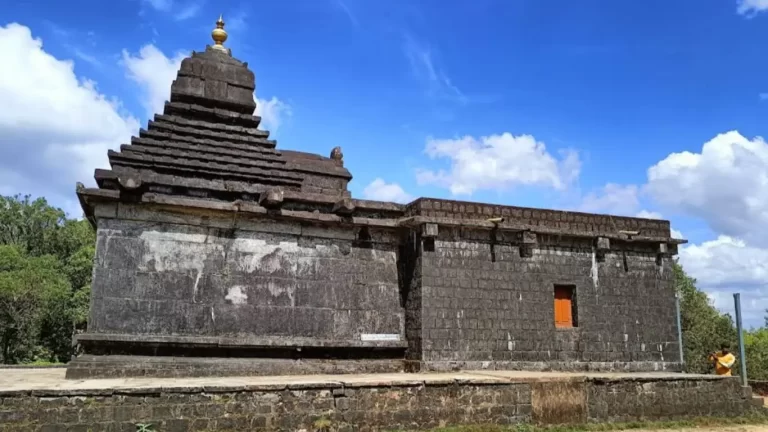
- 8.0.4 Shri Bettada Byraveshwara Temple
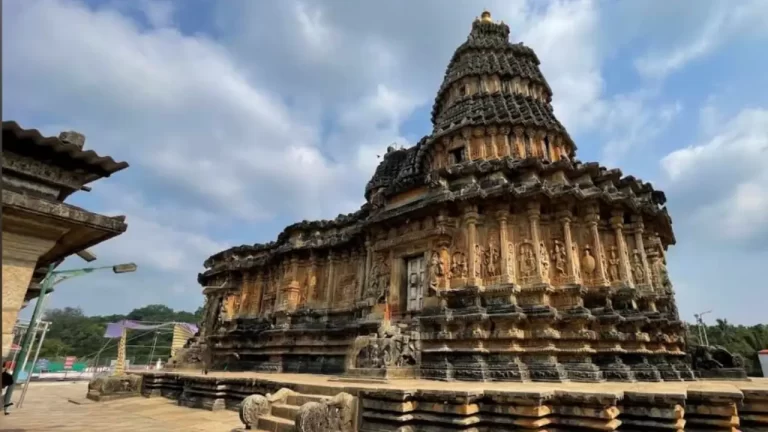
- 8.0.5 Vidyashankara Temple Sringeri 12 Pillars Reveal Your Destiny
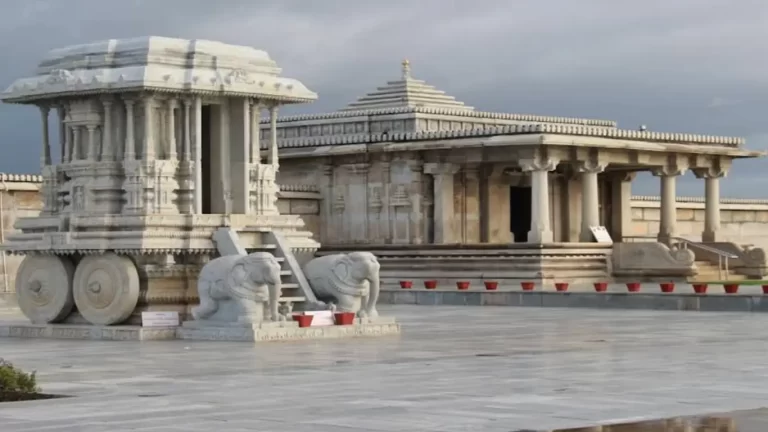
- 8.0.6 Venugopala Swamy Temple Kannambadi: Lost for Decades Under Water
- 9 Places to visit near Sri Kukke Subramanya Temple:
- 10 Accommodation Options
- 11 How to Get to the Temple
A Warm Welcome to Sri Kukke Subramanya Temple
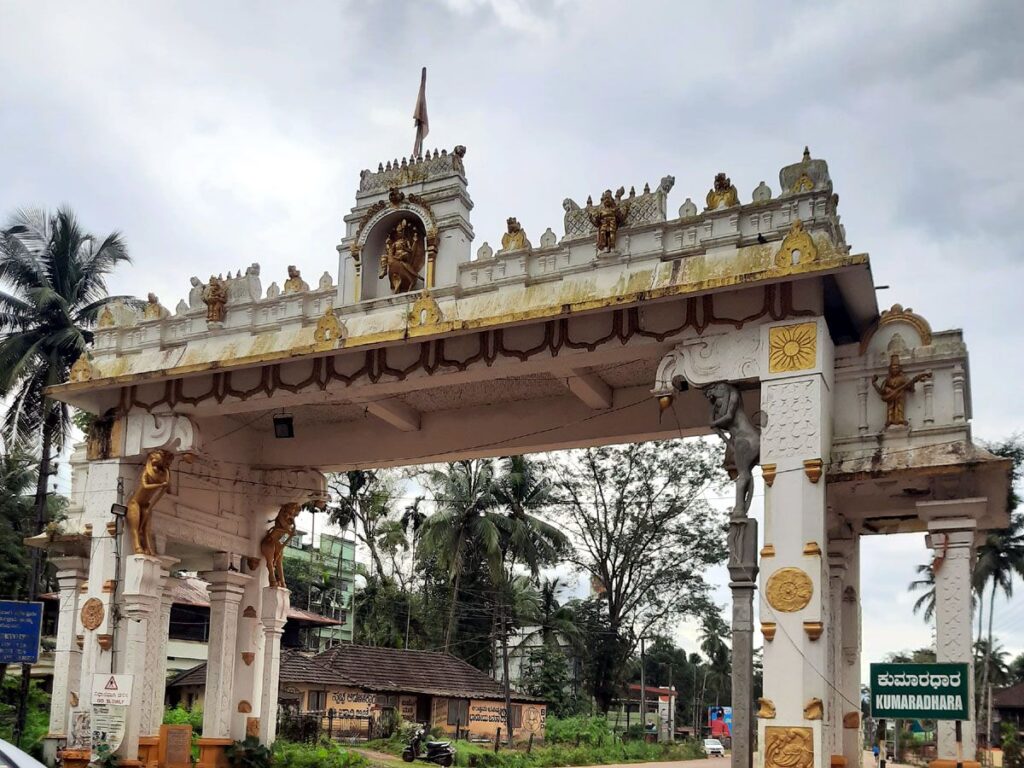
As we move towards the Sri Kukke Subramanya Temple, you can see how the air gets cooler and fresher. We are deep in a village named Subrahmanya, hemmed in by huge mountains and dense, green forests. It is as if entering a picture book! One mountain, Kumara Parvatha, gazes over the temple, and the other, Shesha Parvatha, is the shape of a huge cobra with numerous heads, as if to guard the temple. It is really a fairy-tale scene!
Even before we set foot inside the temple, there is a very sacred ritual. We’ll walk across the Kumaradhara River and have a holy bath. It is said that this river possesses divine powers, and the bath cleanses us and makes us worthy to encounter the divine. Don’t panic, it’s not too deep, and it is an invigorating experience!
Sri Kukke Subramanya Temple History: A Journey Through Time
Now, let’s talk about the History of the Sri Kukke Subramanya Temple. This temple isn’t new; it’s super old, perhaps even more than 5,000 years old! Imagine all the people who have visited this place over thousands of years, seeking blessings and peace.
The name “Kukke” itself has a couple of interesting stories. It is said to come from the Kannada word “kukke,” which means “basket.” Long ago, when humans wanted to transport some special stone figures known as Lingas, they placed them in a basket carefully. So, it got to be called “Kukke.” Others have the opinion that it comes from the Sanskrit word “kukshi,” meaning “cave,” because the temple would have been constructed nearby or inside a cave. Aren’t names amazing when they carry so many stories?
Within the Sri Kukke Subramanya temple, you can find a peculiar silver-plated pillar by the name of Garuda Kamba. It’s there for a very unique reason – to safeguard everyone from the powerful breath of the serpent king, Vasuki, residing within the temple. It’s like having a magic shield!
Read More>> Shree Somnath Jyotirling Temple: The Shrine of Eternal Light
Legend of the Temple: Stories of Gods and Serpents
Now, to the best part – the Legend of the Sri Kukke Subramanya Temple! All ancient temples have incredible stories, and this one has some truly remarkable ones.
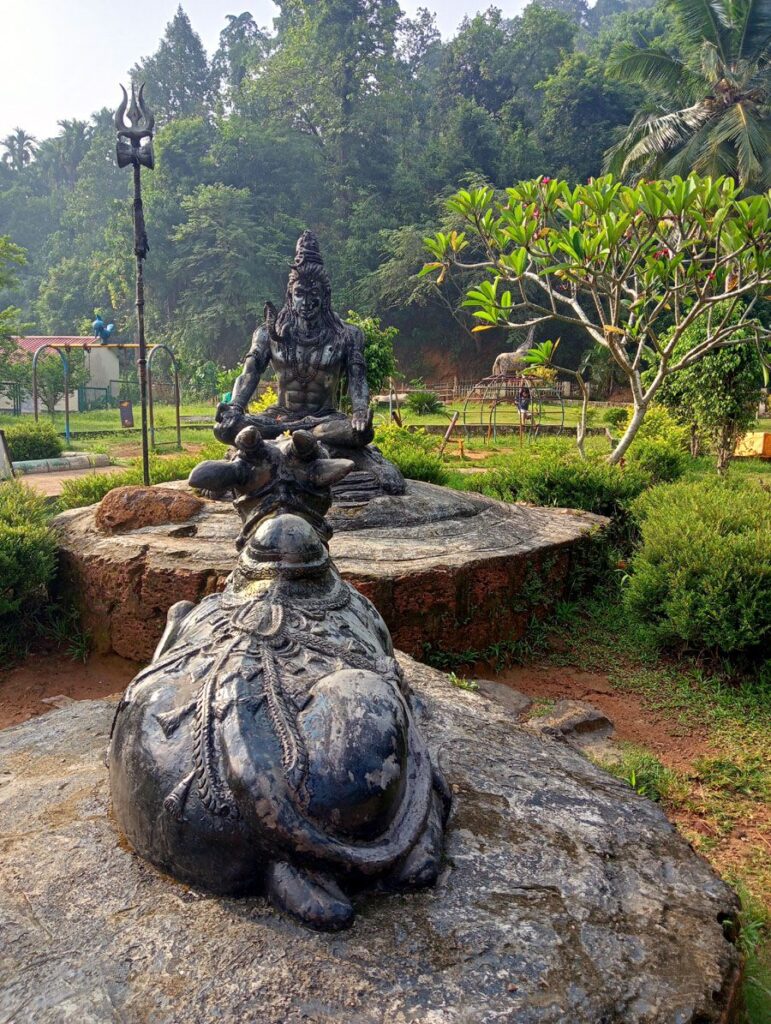
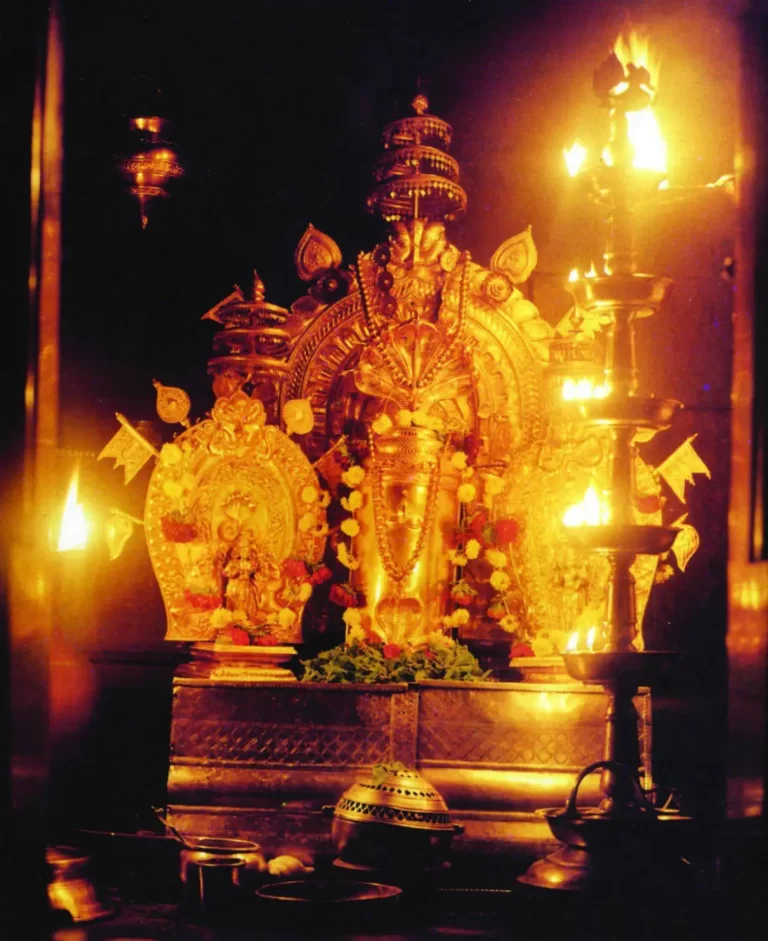
Our principal deity here is Lord Subramanya, also referred to as Lord Kartikeya or Murugan. He is the valorous son of Lord Shiva and Goddess Parvati, and he is renowned for being the commander-in-chief of the divine army.
One of the most significant tales attached to Sri Kukke Subramanya temple is of how Lord Subramanya came to be the guardian of serpents. There was a period when the divine eagle, Garuda, was troubling the serpent king, Vasuki, and other serpents. Vasuki was so frightened and approached Lord Shiva to help him. Lord Shiva summoned his son, Lord Subramanya, and asked him to guard the serpents.
Lord Subramanya, the benevolent and courageous god that he is, visited this same place and provided shelter to Vasuki and all the other snakes. Due to this, the snakes requested Lord Subramanya to reside here permanently, safeguarding them. And Lord Subramanya concurred! That is why this temple is so unique for anyone who wishes to obtain blessings for serpents.
Guess what? This incredible tale is told in one of our old Hindu scriptures known as the Skanda Purana. It is said there that Lord Subramanya, after conquering some very naughty demons like Tarakasura and Shurapadmasura, visited this site. He even bathed his sacred weapon in the Kumaradhara River!
Next, Lord Indra, who is the king of the gods, was so delighted that he proposed to Lord Subramanya to marry his daughter, Devasena, right here! The wedding itself was a pompous one, and it’s said that waters from all the sacred rivers were fetched for the ceremony, which then flowed down to form the Kumaradhara River. Isn’t that amazing? This shows just how ancient and holy the Sri Kukke Subramanya Temple is!
Read More>> Tripura Sundari Temple in Tripura
Cultural, Spiritual, and Mythological Significance of the Temple
Sri Kukke Subramanya Temple is not a building; it’s a shrine that is full of Cultural, Spiritual, and Mythological Significance.
Cultural Significance: This temple is a living testimony of ancient Indian traditions. The manner in which individuals pray, the rituals they follow, and the festivals they observe here are all an integral part of our rich cultural heritage that has been passed from generation to generation. You’ll notice individuals from all backgrounds, wearing traditional attire, approaching here with utmost belief. It’s one of the seven Mukthi Sthalas found in Karnataka, making it a very holy site where individuals attain salvation and peace.
Spiritual Significance: For some, Sri Kukke Subramanya temple is a site of intense spiritual connection. Individuals visit here to pray for blessings for various reasons, particularly if they feel that they have “Naga Dosha” – a sort of problem or difficulty which is believed to be brought by snakes due to past actions. With special prayers here, they feel these problems may be deleted, and they will feel happy, healthy, and successful in their lives, such as marrying or having children. The serene environment here really makes individuals feel nearer to the divine.
Mythological Significance: Just because we learned about this from the myths, this temple’s origins are deep rooted in Hindu mythology. The mythologies of Lord Subramanya, Vasuki, Garuda, and even Lord Subramanya and Devasena’s divine wedding, are all a part of the large canvas of Hindu myths. These stories remind us of good winning over evil, protection, and the strong bond of devotion between gods and people. Going to the Sri Kukke Subramanya Temple is to be immersed in these old stories and live them yourself.
Read More>> Kalluthipara Temple: Lord Krishna Divine Footprint in Stone!
Festivals and Special Days
The Sri Kukke Subramanya Temple is filled with cheer as it celebrates its Festivals and Special Days. These are like magic days to go!
One of the most important festivals is Champashashti Mahotsavam. This is a grand festival where Lord Subramanya is beautifully decorated and taken out in a procession around the streets. Imagine lights, music, and happy devotees all around! Another important day is Margashira Shuddha Shashti, which is believed to be the day Lord Subramanya married Devasena. Special pujas are offered on this day.
Naga Panchami is also a major festival in which special prayers are said to serpents. The day is celebrated as an indication of showing respect and devotion to the serpent gods. On festivals such as Makara Sankranti, you would even find the special Lingas within the temple being brought out for procession.
Weekends and festival days are usually the busy days at the Sri Kukke Subramanya Temple. So, if you wish to have a less crowded visit, weekdays are generally good. But if you enjoy the craziness and the living energy of festivals, then festival times are just ideal!
Read More>> Panch Kedar Yatra: Ultimate Travel Guide to 5 Divine Shiv Temples
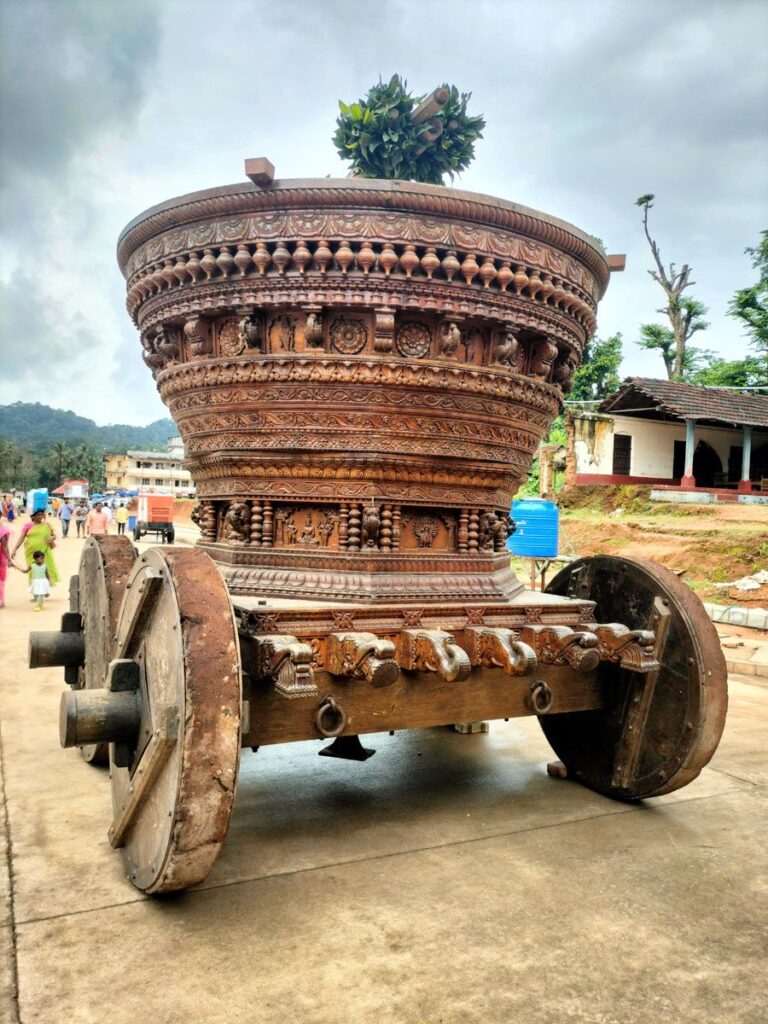
Distinct Architectural Designs and Sculptures
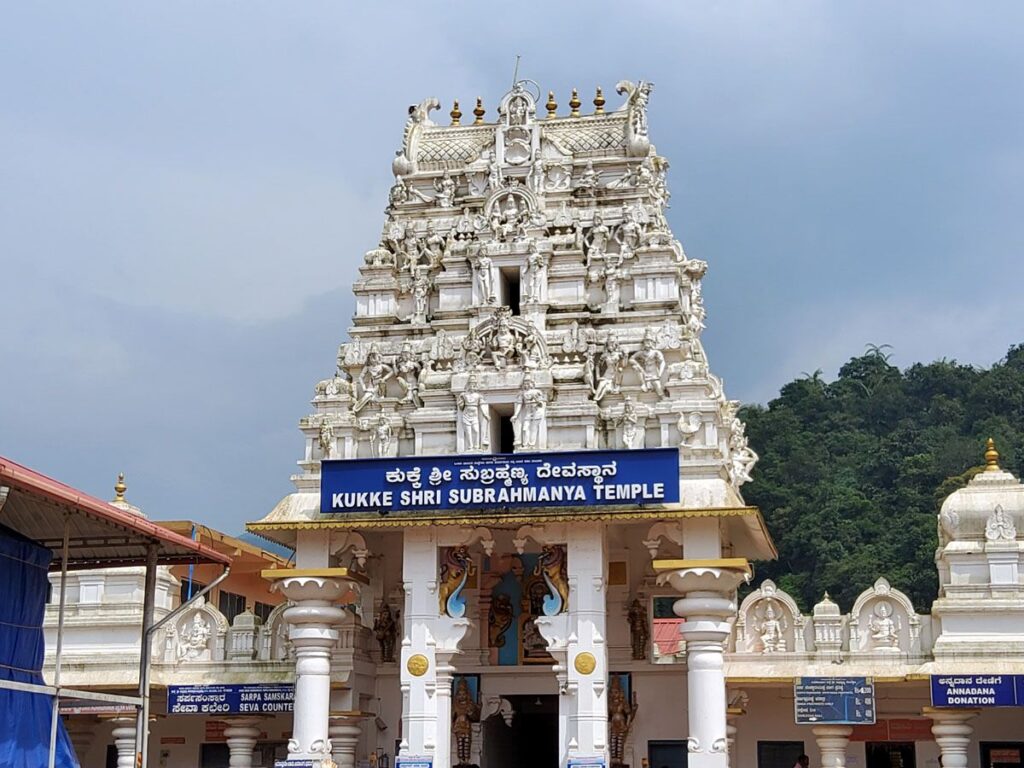
Let us take a moment to appreciate the lovely residence of Lord Subramanya – the temple itself! The Sri Kukke Subramanya Temple is a great amalgamation of traditional South Indian temple architecture.
As we move around, look at the detailed carvings on the pillars and walls. They are telling us stories from our scriptures of old, depicting various gods, goddesses, and mythological scenes. It’s a gigantic storybook in stone! You would notice huge buildings known as Gopurams at the entrance, which are like big gateways, finely decorated with lots of sculptures.
Sri Kukke Subramanya temple complex is planned in such a manner that the devotees can go around the central deity. Between the sanctum (of the central deity) and the entrance portico, you will notice that silver-plated Garuda pillar we spoke about. This special feature is supposed to safeguard all of us from the mighty breath of Vasuki. It actually reflects the incredible talent and craftsmanship of the individuals who constructed this temple ages ago.
Read More>> Thuravoor Temple of 2 Powerful Deities Narasimha & Sudarsana
Myths and Beliefs
The Sri Kukke Subramanya Temple is lined with a lot of interesting Myths and Beliefs that contribute to its unique aura.
One of the most entrenched beliefs that we talked about is that of Naga Dosha. It is believed by most people that all sorts of problems in life, such as delays in marriage, issues with having children, or even some illnesses, are due to this so-called “serpent affliction.” Visiting this temple and undergoing certain rituals, particularly the Sarpa Samskara Pooja or Ashlesha Pooja, is thought to eliminate all these hurdles and bring blessings.
Even the Mruthika Prasada (temple mud) is believed to heal skin diseases and other health problems. Everyone carries a small portion of this prasada with them, seeking healing and health. Such beliefs reflect how closely the individuals identify with the divine energy of Lord Subramanya and the sanctity of this site.
Read More>> Shankaracharya Temple | Jyeshteshwara Temple
Sri Kukke Subramanya Temple Timing:
It is nice to know the Temple Timings so that we can visit it at the right time. The Sri Kukke Subramanya Temple is usually open from 6:00 AM to 8:00 PM throughout the week. But poojas (special prayers) and sevas (services) have specific timings. For instance, the Maha Pooja is usually done at about 10:00 AM. It is always best to consult the official website of the temple or check locally for the latest timings, particularly if there are certain rituals that you would like to see or attend.
When you visit, remember there’s a simple dress code. For men, it’s preferred to remove your shirt and vest before entering the inner parts of the Sri Kukke Subramanya temple. For women, modest and decent attire is requested. It’s a way of showing respect to the sacred space.
Read More>> Airavatesvara Temple Darasuram
Why This Place is Very Important and Special Poojas
So why is Sri Kukke Subramanya temple so vital? Well, it is vital for numerous reasons, but particularly because it is deemed to be the sacred home of Lord Subramanya, who is said to be the guardian of all snakes.
The best known and unique poojas conducted here are those associated with Naga Dosha Pariharam, i.e., remedies for serpent problems. The two most popular ones are:
Sarpa Samskara Pooja: This is a very detailed and important ritual done to pacify the serpent gods and gain forgiveness for any pain, accidental or intentional, inflicted on serpents. It’s said to delete the impact of Naga Dosha and create peace in one’s life. This puja can be done for a couple of days and consists of certain rites.
Ashlesha Pooja: Another significant ritual, usually done to minimize the ill effects of specific planetary positions (particularly Rahu and Ketu, which are serpent-related) and to obtain blessings for overall well-being. It’s a shorter ceremony than Sarpa Samskara but is very strong.
A large number of devotees from everywhere in India and even the globe make their way to perform these unique poojas, anticipating good changes in life. The priests in the temple are highly learned and take everyone through the rituals with utmost care.


Places to visit near Sri Kukke Subramanya Temple:
Our adventure doesn’t have to stop at the Sri Kukke Subramanya Temple! There are plenty of other fantastic Hindu Places to Visit Near the Temple that you would enjoy exploring:
Adi Subramanya Temple: This is an old temple that’s right next to the main temple. It’s said to be the original site where Lord Subramanya first emerged. It’s a serene spot, ideal for quiet contemplation.
Dharmasthala Manjunatha Temple: A bit off the beaten path, but a very popular and special temple of Lord Manjunatha (Lord Shiva). The thing that is special about Dharmasthala is that it’s run by a Jain family, but it’s a Hindu temple, demonstrating lovely harmony between religions.
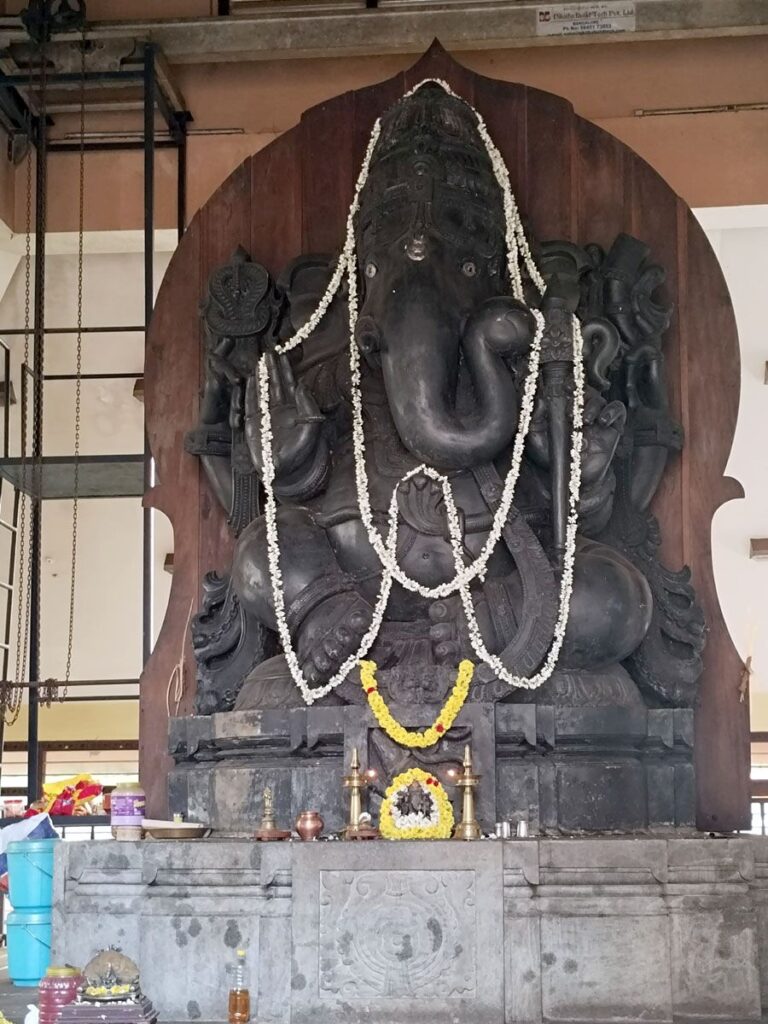
Sowthadka Vinayaka Temple: Picture a temple where Lord Ganesha is seating in the open air, beneath a tree, with no formal roof on it! That’s Sowthadka Vinayaka Temple. It’s a super special and peaceful spot.
Biladwara Cave: This is an ancient cave close to the temple, said to be where Vasuki, the king of snakes, took refuge from Garuda. It’s a little bit of an adventure to investigate!
Kumara Parvatha Trek: For those who love nature and a bit of adventure, the trek to Kumara Parvatha offers stunning views of the Western Ghats. Remember, this is a challenging trek, so it’s for older kids and adults who enjoy hiking!
Vanadurga Temple: Dedicated to Goddess Vanadurga, this temple is set amidst the scenic beauty of the Western Ghats.
Read More>> Bhojpur Shiva Temple | Bhojeshwar Temple Holds Huge Lingam
Accommodation Options
At the end of a day of touring and spiritual experience, you’ll require a comfortable place to rest. There are different Accommodation Options for you around the Sri Kukke Subramanya Temple, depending on budgets:
Temple Guest Houses/Lodges: The temple administration itself tends to offer simple and cheap accommodation facilities for pilgrims. These tend to be basic but clean and very convenient in being close to the temple.
Private Hotels and Lodges: There are plenty of private hotels and lodges in Subrahmanya village, ranging from cheap to moderately more comfortable. Most are within walking distance or a short drive from the temple. Some of the well-known options include V Sadana Lodge, Mahamaya Residency, and Hotel Mayura Residency.
Homestays: If you prefer a more intimate setting, there are some homestays provided by local families that will allow you to experience the culture and hospitality of the people.
Resorts (a short distance away): If you would like more comfortable facilities and are prepared to go a bit further, there may be resorts a little further away from the main temple complex with more such amenities as pools and upscale restaurants.
It would be wise to pre-book your accommodation, particularly if you’re traveling during peak season or festivals, as rooms get booked rather quickly.
Read More>> Kedaragouri Temple Bhubaneswar
How to Get to the Temple
Getting to Sri Kukke Subramanya Temple is relatively easy, and there are a couple of methods for reaching it:
By Road: Subrahmanya village is also very well connected by road with major cities in Karnataka such as Bangalore, Mysore, Mangalore, and Dharmasthala. Take a direct bus or taxi from these cities. The journey along the Western Ghats is just fabulous!
By Train: Subrahmanya Road (SBHR) is the nearest railway station, 12-13 kilometers from the temple. Trains regularly travel from cities such as Bangalore and Mysore to this station. It is easy to find auto-rickshaws or local taxis at the railway station to get to the temple.
By Air: The closest airport is Mangalore International Airport (IXE), which is about 110 kilometers away. From the airport, you can hire a taxi or take a bus to reach Subrahmanya.
No matter how you choose to travel, the journey to the Sri Kukke Subramanya Temple is part of the experience, offering beautiful views of the green landscapes of Karnataka.
3 Comments