Shri Anjaneya Swamy Temple Hulimangala: Complete Pilgrimage Guide, Timings & History
Located in the quiet village setting of Hulimangala in Bengaluru South, just a short drive from the bustling IT hub of Electronic City, the Shri Anjaneya Swamy Temple in Hulimangala is an ancient and revered sacred shrine dedicated to Lord Hanuman. Devotees visit this sacred space to seek blessings for strength, mental clarity, spiritual courage, and relief from life obstacles.

The temple features an impressive, consecrated stone relief carving of Lord Veera Anjaneya. While preserving its peaceful village atmosphere amidst rapid suburban development, the temple has become a major spiritual refuge for neighborhood residents, IT professionals, and traveling pilgrims alike.
Quick Information: Hulimangala Anjaneya Swamy Temple
| Feature | Details & Verified Visitor Information |
| Temple Name | Shri Anjaneya Swamy Temple (Sri Veera Anjaneya Temple) |
| Main Deity | Lord Anjaneya Swamy (Lord Hanuman) |
| Location | Hulimangala Village, Anekal Taluk, Bengaluru Urban District, Karnataka |
| Postal Code | 560105 |
| Morning Darshan Timings | 6:30 AM – 12:30 PM (Daily) |
| Evening Darshan Timings | 5:30 PM – 8:30 PM (Daily; extended to 9:00 PM on Saturdays) |
| Special Pooja Days | Tuesdays, Saturdays, and Hanuman Jayanti |
| Abhishekam Timings | Typically 7:30 AM – 9:00 AM (Special reservations on Saturdays) |
| Entry Fee | Free general public darshan (Special archana tokens available at counter) |
| Vehicle Pooja | Available for two-wheelers and four-wheelers during morning hours |
| Nearest Transport Landmark | Electronic City Phase 1 / Bettadasanapura / Koppa Gate |
| Nearest Metro Station | Electronic City Metro Station (Yellow Line) |
| Nearest Railway Station | Karmelaram (approx. 18 km), Bengaluru City Junction (approx. 26 km) |
| Nearest Airport | Kempegowda International Airport Bengaluru (BLR) – approx. 58 km |
Continue Reading >> Ramappa Temple: An 800 Years Old Architectural Marvel

Sacred Geography: Where is Hulimangala?
Hulimangala is a traditional agrarian village situated in the southern sector of Bengaluru Urban district within Anekal Taluk. While historically surrounded by green farmlands and local lakes, the area now borders major technological hubs. It is situated roughly 6 to 8 kilometers southwest of Electronic City Phase 1, accessible via Bettadasanapura, Doddathoguru, or through Koppa Gate via Bannerghatta Road.
Devotees planning spiritual day tours often pair this temple with other [ancient temples in Bangalore] to experience both inner-city Chola-period shrines and tranquil peri-urban sacred centers.
Sthala Purana and Traditional Hulimangala Temple History
The origins of the Shri Anjaneya Swamy Temple at Hulimangala are deeply rooted in the rural sthala puranas (local sacred legends) of southern Karnataka. According to village elders and hereditary community guardians, the sacred stone relief (murti) was discovered or consecrated several centuries ago during an era when local chieftains governed under the Vijayanagara Empire and later the Keladi and Mysore kingdoms.
In classical southern Indian spiritual traditions, villages established Anjaneya temples on their borders or near key water bodies as a spiritual shield against negative influences, diseases, and droughts. The temple idol at Hulimangala represents Veera Anjaneya, embodying courage, unyielding devotion (bhakti), and guardianship over the community.
Over the past few decades, what began as a simple, open-air rural sanctum sheltered by local trees has been lovingly developed by the local village trust and devotee contributions into an organized temple complex with a formal stone sanctum, prayer mandapa, and surrounding enclosures.
Continue Reading >> Famous Vadakkumnathan Temple: Experience Instant Inner Peace

Iconography and Sacred Features of the Presiding Deity
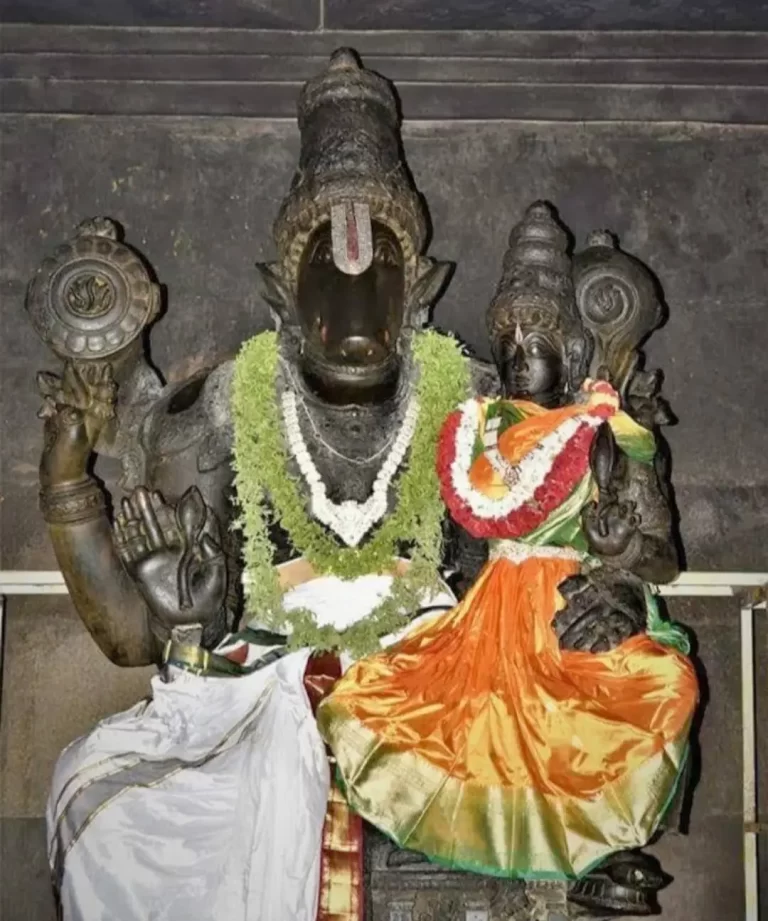
The primary deity inside the garbhagriha (inner sanctum) is a sacred monolithic stone carving of Lord Hanuman sculpted in bas-relief upon a granite stele:
- Stance of Strength: Lord Anjaneya is depicted facing East in the classical heroic profile (Veera Anjaneya), striding forward with his left leg planted firmly and his right hand held in the protective Abhaya Mudra (granting freedom from fear).
- The Sacred Tail and Bell: The deity’s tail loops gracefully over his head in a protective arc, terminating in a small carved brass bell. In Karnataka Madhva and Vijayanagara traditions, the bell at the tip of Hanuman’s tail represents the destruction of demonic sounds and the awakening of spiritual awareness.
- Ornaments and Demonic Defeat: The Lord holds the sacred Sowgandhika flower or mace (Gada) in his left hand, adorned with carved armlets, waist girdles, and chest garlands. Beneath his feet, he treads upon an allegorical figure representing ignorance, negative desires, and malevolent ego.
Temple Layout and Subsidiary Shrines
As you enter through the main gate, the temple opens into a spacious, well-ventilated concrete and granite mandapa designed to accommodate festive crowds.
- Main Sanctum (Garbhagriha): Houses the ancient monolithic Anjaneya Swamy, which is continuously kept energized with oil lamps, fresh camphor aartis, and vibrant flower garlands.
- Navagraha Mandapa: Positioned in the northeast corner of the complex, this dedicated enclosure features the nine planetary deities carved in black granite. Devotees routinely perform circumambulations (pradakshina) here after darshan of Lord Anjaneya, especially to mitigate the adverse astrological effects of Shani (Saturn). Devotees interested in planetary worship across the state frequently visit specialized [Navagraha shrines in Karnataka] alongside local Hanuman temples.
- Ganesha Sanctum: A niche shrine consecrated to Lord Vignaharta (Ganesha) welcomes visitors near the entrance, ensuring rituals begin with prayers to the remover of obstacles.
- Pradakshina Pathway: A clean, paved open-air pathway allows pilgrims to observe traditional barefoot pradakshina around the sanctum walls.
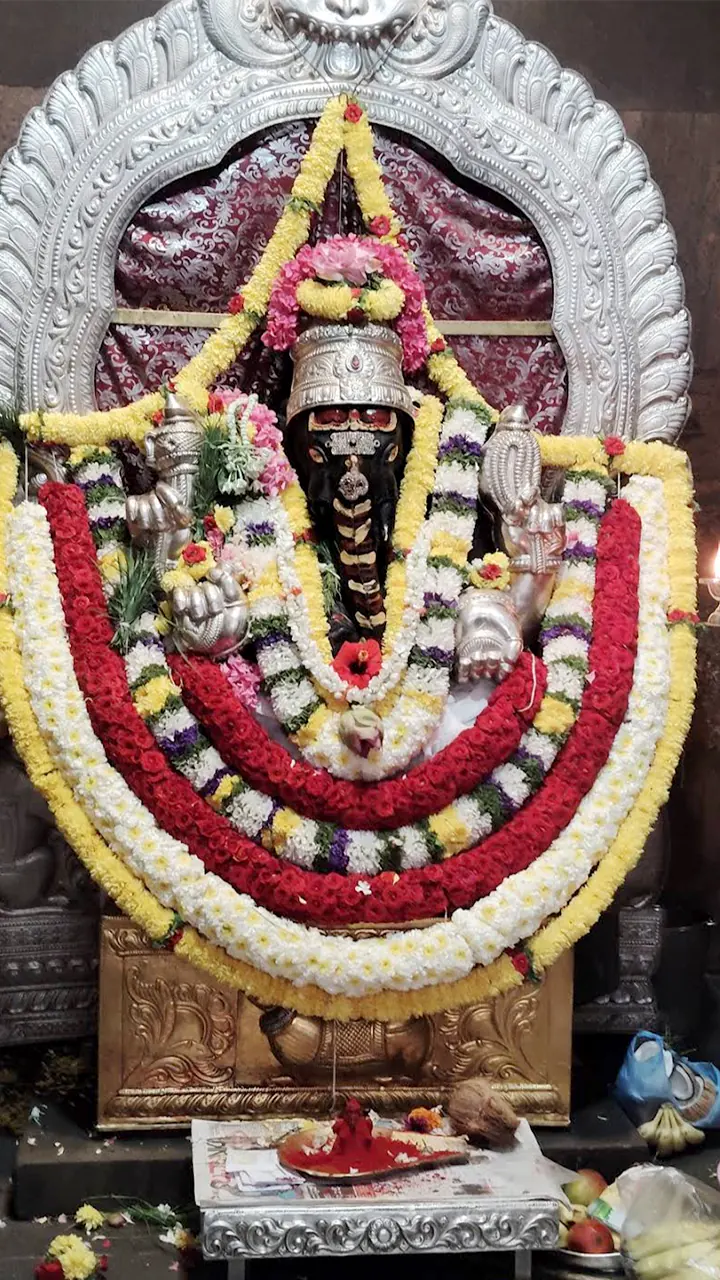
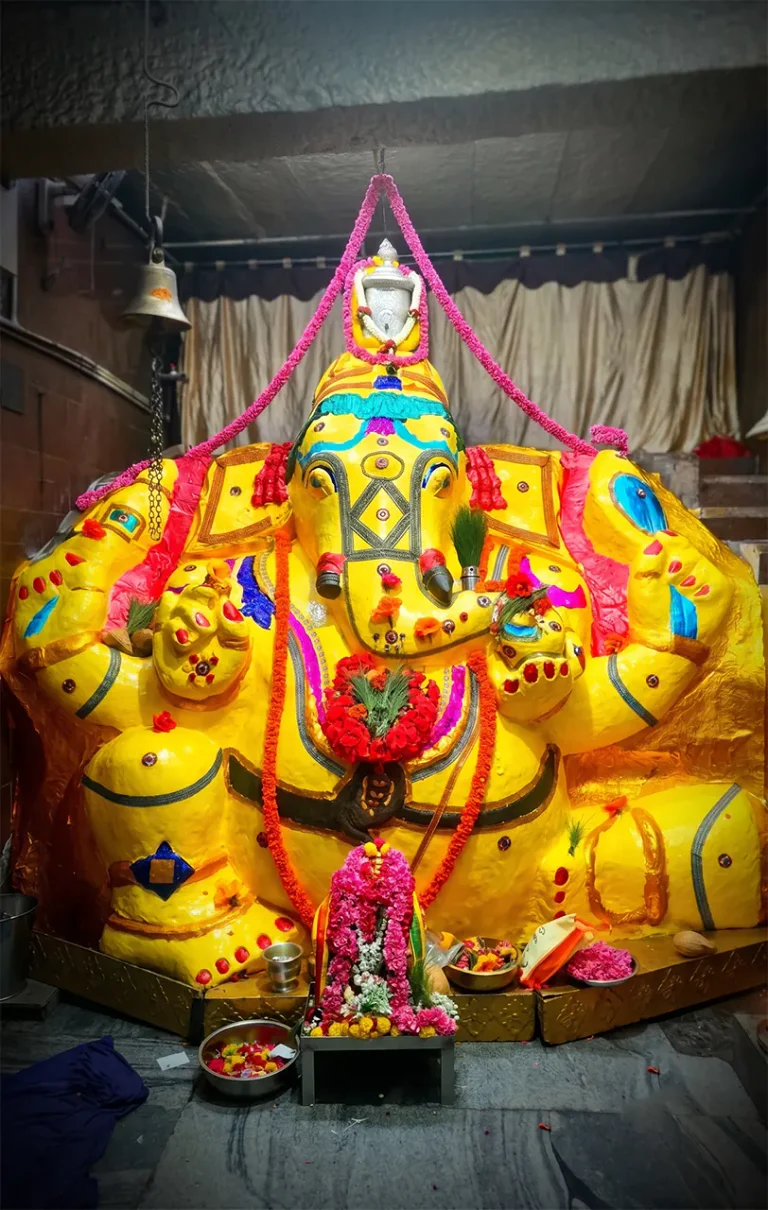
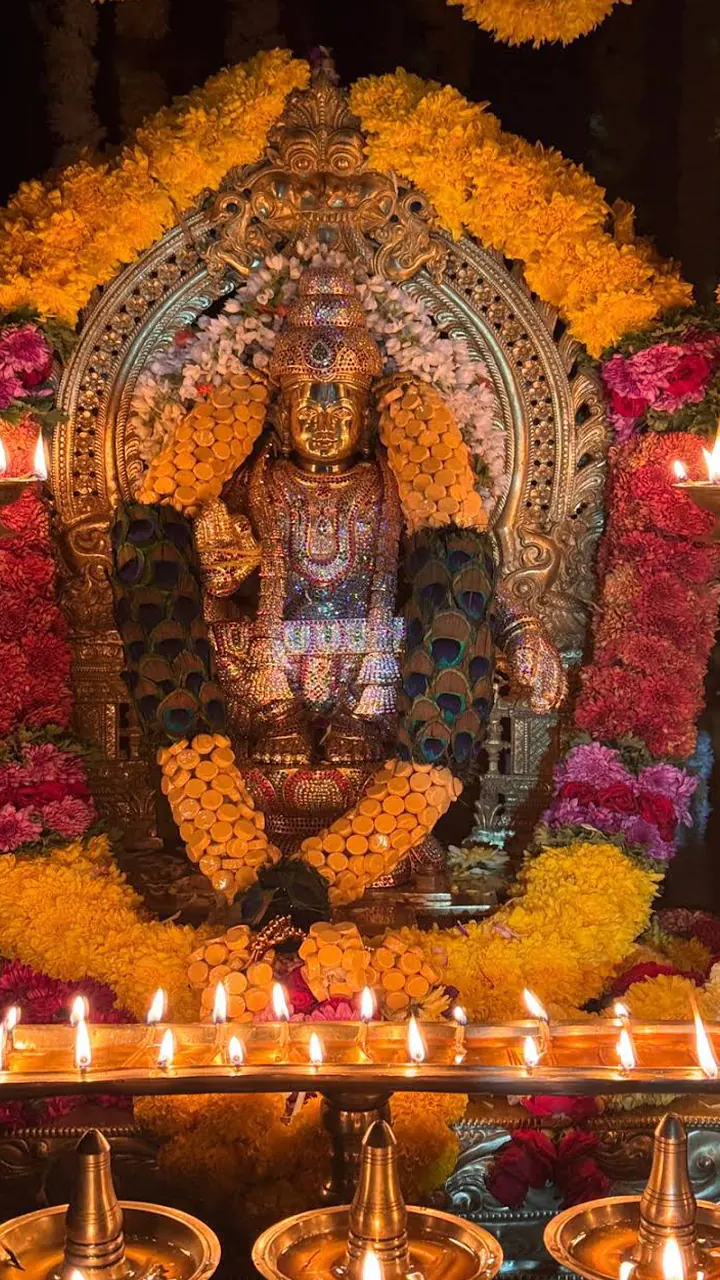
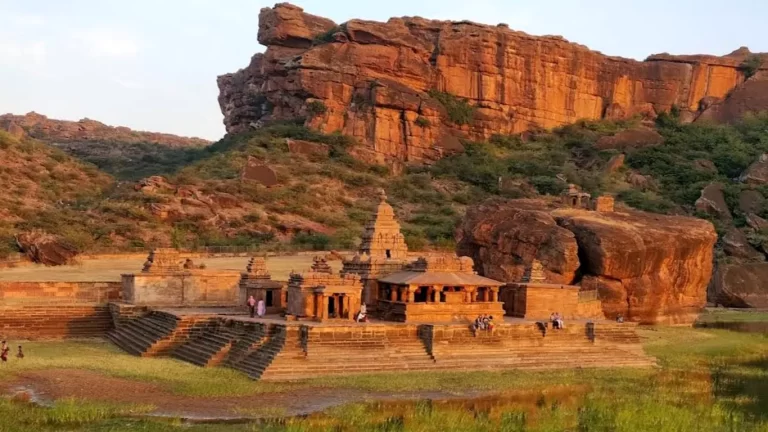

Pooja Rituals, Sevas, and Worship Practices
The daily rituals at the Hulimangala Anjaneya Temple follow traditional Vedic and Agama procedures, maintained by dedicated priests:
1. Daily Archana and Deeparadhana
Priests chant the sacred 108 names (Ashtottara Shatanamavali) of Lord Hanuman, offering fresh flowers, tulsi leaves, and kumkum. Devotees receive sacred theertha (holy water), kumkum, and edible prasad (such as sweetened avalakki/poha or chana sundal).
2. Sindhoora and Benne Alankara (Butter Decoration)
On specific vows or festive occasions, devotees sponsor the revered Benne Alankara, where the entire stone form of Anjaneya is covered in fresh, churned white butter. Remarkably, even in warm weather, the sacred butter inside the sanctum retains its form throughout the darshan day, symbolizing the cooling of worldly afflictions and the softening of karma.
3. Vadamala and Betel Leaf Seva
Offering a garland of savory edible vadas (Vadamala) or a strung garland of fresh green betel leaves (Aku Pooja) is considered auspicious on Tuesdays and Saturdays. In Hindu tradition, Mother Sita blessed Hanuman with betel leaves as a token of gratitude when he delivered Lord Rama’s ring in Lanka.
4. Vehicle Pooja (Vahana Pooja)
Because of its proximity to the industrial and corporate sectors of Electronic City, Jigani, and Bommasandra, many devotees bring newly purchased two-wheelers, cars, and commercial transport vehicles here for formal consecration. The priest conducts lemon-crushing rituals, aarti, and applies sacred vermilion marks to protect against road accidents.
For personal home practice and spiritual upliftment during temple visits, many devotees also dedicate time to [chanting the Hanuman Chalisa] to deepen their meditative focus.
Continue Reading >> Famous Mehandipur Balaji Temple: Unveiling the Miracles of Hanuman

Important Festivals and Auspicious Occasions
While the temple maintains daily morning and evening darshan, spiritual energy peaks during specific calendar observances:
- Hanuman Jayanti: Celebrated with immense devotion during the months of Margashirsha (December) according to Karnataka tradition, as well as during Chaitra (April). The temple organizes continuous Vedic chants, Sahasranama archana, special butter decoration, and extensive Annadana (free meals) for thousands of visiting devotees.
- Shravana Shanivara (Saturdays of Shravana Month): The Saturdays of the auspicious Hindu month of Shravana witness long morning queues. Observing [Shravana Shanivara fasts] and offering sesame oil lamps to Lord Anjaneya is believed to alleviate astrological distress and foster peace of mind.
- Rama Navami (March/April): As the supreme devotee of Lord Sri Rama, Anjaneya’s temple marks the birth of Rama with recitation of the Sundara Kanda from the Ramayana, special panakam (jaggery-cardamom beverage) distribution, and devotional music.
- Deepavali: The sanctum and open courtyards are illuminated with hundreds of earthen oil lamps (diyas), creating an inspiring visual atmosphere during evening aarti.
Continue Reading >> Kamalashile Temple | Shri Brahmi Durgaparameshwari Temple
Devotee Visitor Guide: Practical Advice & Etiquette
To ensure a comfortable pilgrimage, keep the following practical tips in mind:
- Recommended Dress Code: Modest and traditional Indian attire is advised. Men are encouraged to wear dhotis, kurtas, or formal shirts and trousers; women typically wear sarees, salwars, or modest traditional dresses.
- Footwear Management: Footwear must be deposited outside the temple gate. A dedicated, open footwear stand is available near the entrance.
- Photography Rules: Photography and video recording of the inner sanctum and the consecrated deity are strictly prohibited to maintain sanctity. Exterior architecture and courtyard photography are generally permitted.
- Queue Times: On regular weekdays, darshan is swift, typically taking between 5 to 15 minutes. On Saturdays and festive days, expect waiting times of 30 to 45 minutes during morning peak hours (8:30 AM to 11:00 AM).
- Parking Facilities: Open street parking and designated unpaved open ground near the temple boundary can accommodate two-wheelers and passenger cars. Finding a spot on regular days is simple, though parking on festival days may require parking along adjacent approach lanes.

How to Reach Shri Anjaneya Swamy Temple, Hulimangala
Hulimangala is well-connected to Bengaluru’s primary road network:
1. By Private Vehicle, Cab, or Auto
- From Electronic City Phase 1: Take the Bettadasanapura Main Road southward. Continue past Bettadasanapura village onto Hulimangala Main Road. The distance is approximately 6.5 km and takes around 15 to 20 minutes depending on traffic.
- From Bannerghatta Road / Gottigere: Drive south towards Koppa Gate. Turn left onto the Koppa-Hulimangala road to reach the temple premises directly (approx. 8 km).
- From Silk Board Junction: Proceed via the Hosur Road elevated tollway to Electronic City, then head west towards Hulimangala (total distance: ~18 km).
2. By Public Transit (BMTC Buses)
Bengaluru Metropolitan Transport Corporation (BMTC) operates scheduled bus services connecting K.R. Market, Kempegowda Bus Station (Majestic), and Electronic City to Hulimangala and nearby village clusters.
- Check real-time schedules on the BMTC official route portal for direct routes or feeder services from Electronic City Wipro Gate/Phase 1.
- Alternatively, take any frequent Hosur Road bus to Electronic City, from where auto-rickshaws or local feeder services to Hulimangala are readily available.
3. By Metro
The nearest metro connection is via the Namma Metro Yellow Line serving the Electronic City corridor. From the nearest station, you can take a 15-minute taxi or auto ride to Hulimangala.
Exploring the Nearby Pilgrimage Circuit
If you are planning a half-day or full-day spiritual itinerary in Bengaluru South, consider combining your visit to Hulimangala Anjaneya Temple with these prominent spiritual locations:
- Begur Nageshwara Temple (approx. 12 km): An extraordinary 9th-century Western Ganga and Chola-era heritage monument containing some of the oldest Kannada inscriptions mentioning the name “Bengaluru.”
- Meenakshi Sundareshwarar Temple, Bannerghatta Road (approx. 10 km): A magnificent stone temple complex built in traditional Dravidian architectural style, dedicated to Goddess Meenakshi and Lord Shiva.
- Champakadhama Swamy Temple, Bannerghatta (approx. 14 km): An ancient hilltop temple dedicated to Lord Vishnu, featuring Hoysala and Vijayanagara architectural influences.
- Broader Regional Pilgrimages: For devotees planning extended regional weekend trips across Karnataka, visiting prominent energy centers like the [Ghati Subramanya Temple] in Doddaballapur district offers a rich continuation of sacred Karnataka traditions. For official state heritage details, consult the Karnataka Tourism portal.
Frequently Asked Questions (FAQs)
What are the exact daily timings of the Hulimangala Anjaneya Temple?
The temple opens daily from 6:30 AM to 12:30 PM in the morning, and from 5:30 PM to 8:30 PM in the evening. On Saturdays, evening timings are often extended until 9:00 PM to accommodate working devotees.
Is there an entry ticket or darshan booking fee?
No. General public entry and darshan at the Hulimangala Anjaneya Temple are completely free. Nominal voluntary donations or fixed-price receipts apply only if you wish to perform specific personalized archana, vehicle pooja, or special alankara sevas.
Can I get a vehicle pooja done at the temple?
Yes. The temple priest performs traditional vahana pooja for motorcycles, scooters, passenger cars, and commercial vehicles. It is best to arrive between 8:00 AM and 11:30 AM for vehicle pooja rituals.
Which days are best to visit for special poojas?
Tuesdays and Saturdays are considered especially sacred for Lord Hanuman. Saturdays witness the largest gatherings, with extended aarti and collective devotional singing.
Is parking available at the temple?
Yes. There is open street parking and level ground adjacent to the temple premises that easily accommodates two-wheelers and personal cars during normal temple hours.