Vadakkumnathan Temple Thrissur: Complete Darshan, History, and Visitor Guide
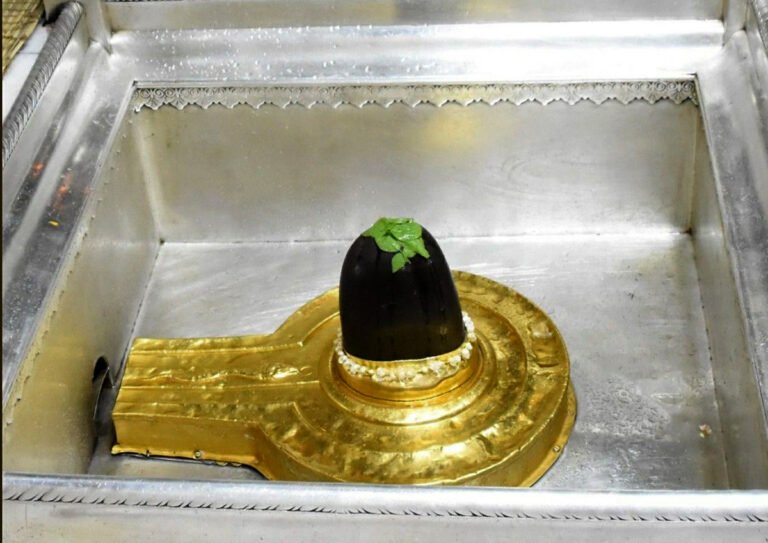
Located in the center of Thrissur city in Kerala, Vadakkumnathan Temple is an ancient Hindu temple dedicated to Lord Shiva. Spread across a sprawling 9-acre hillock called the Thekkinkadu Maidan, this monumental shrine is celebrated for its classical Kerala wooden architecture, centuries-old mural paintings, and its central role in the world-famous Thrissur Pooram festival. In this shrine, Lord Shiva is worshiped in the form of a massive, 10-foot-high mound of clarified butter (ghee), built up through centuries of daily ritual offerings that never melt or decay.

For devotees and travelers planning a visit, the temple is open daily in two distinct sessions: morning from 03:00 AM to 10:30 AM, and evening from 04:00 PM to 08:30 PM. A strict traditional Kerala dress code is enforced, non-Hindus are not permitted inside the inner courtyard, and photography is strictly forbidden.
Quick Information: Vadakkumnathan Temple at a Glance
| Detail | Information |
| Temple Name | Sree Vadakkumnathan Temple (also known as Thenkailasam) |
| Main Deity | Lord Shiva (worshiped as a sacred Ghee Lingam) |
| Associated Deities | Goddess Parvati, Lord Shankaranarayana, Lord Rama, Lord Ganesha (Vettakkaran) |
| Location | Thekkinkadu Maidan, Thrissur City, Thrissur District, Kerala, India |
| Pin Code | 680001 |
| Daily Darshan Timings | Morning: 03:00 AM – 10:30 AM Evening: 04:00 PM – 08:30 PM |
| Morning Pooja Windows | Usha Pooja: 03:30 AM Ucha Pooja (Noon Offering): Closes at 10:30 AM |
| Evening Pooja Windows | Deeparadhana: Around dusk (06:30 PM) Athazha Pooja: 07:30 PM Temple Closes: 08:30 PM |
| Dress Code | Men: Traditional Dhoti/Mundu (upper body bare); no shirts, vests, or trousers. Women: Saree, Half-saree, or traditional Salwar Kameez / Set Mundu. |
| Entry Restrictions | Inner courtyard access is strictly restricted to practicing Hindus. |
| Photography / Phones | Strictly prohibited inside the inner complex (Chuttambalam). |
| Entry Fee | Free general entry. Nominal fees apply for special pooja receipts at Devaswom counters. |
| Best Time to Visit | October to March (Pleasant weather); April–May (To witness Thrissur Pooram). |
| Major Festivals | Maha Shivaratri, Thrissur Pooram (Medam month), Aanayoottu (Elephant feeding ritual). |
| Administration | Cochin Devaswom Board |
| Nearest Railway Station | Thrissur Railway Station (TCR) – approx. 2 km away. |
| Nearest Airport | Cochin International Airport (COK), Nedumbassery – approx. 53 km away. |
Continue Reading >> Kamalashile Temple | Shri Brahmi Durgaparameshwari Temple

Sacred Origins and the Legend of Thenkailasam
Vadakkumnathan Temple holds a deep place in Kerala’s spiritual folklore. In local tradition, it is venerated as Thenkailasam, meaning the “Mount Kailash of the South.” Devotees believe that visiting this sacred hill gives the same spiritual blessings as undertaking a pilgrimage to the Himalayas.
The Sthala Purana of Lord Parasurama
According to the Keralolpatti (the historical folklore of Kerala), the temple was founded by Lord Parasurama, the sixth warrior avatar of Lord Vishnu. Legend states that after reclaiming the land of Kerala from the Arabian Sea with his battle-axe, Parasurama desired to consecrate sacred shrines across the coastal land to bring spiritual balance and prosperity.
Parasurama traveled to Mount Kailash and prayed to his mentor, Lord Shiva, requesting him to make the new land his home. Pleased by his devotion, Lord Shiva, accompanied by his consort Goddess Parvati, Lord Ganesha, and Lord Subrahmanya, journeyed southward with Parasurama. When they reached the central clearing surrounded by dense forests—now the city of Thrissur—Shiva manifested as a luminous radiant lingam at the base of a sacred banyan tree.
Parasurama consecrated this holy lingam and established the temple complex, inviting saintly Brahmins to manage the daily poojas. To this day, devotees begin their visit with a silent prayer honoring Parasurama for bestowing the presence of Shiva upon the region.

Historical and Architectural Evolution
While devotional traditions credit the origins to prehistoric lore, epigraphical evidence and architectural studies confirm that Vadakkumnathan Temple has been an active regional center for well over a thousand years.
Dynastic Patronage
The earliest stone and timber foundations date back to the Chera dynasty (the Perumals of Mahodayapuram), who ruled the region between the 9th and 12th centuries CE. Over the centuries, several regional rulers contributed to its vast structural footprint:
- The Perumpadappu Swaroopam (Cochin Royal Family): The Maharajas of Cochin served as dedicated guardians of the shrine, financing restorations, building stone walls, and establishing permanent endowments for daily feeding rituals (Annadanam).
- The Zamorins of Calicut: During various shifts in regional control, local rulers respected the sanctity of the temple and left its core treasures untouched.
- The Era of Sakthan Thampuran: In the late 18th century, Maharaja Rama Varma (popularly known as Sakthan Thampuran of Cochin) transformed the city of Thrissur. He cleared the dense teak forest around the temple to create the massive, open circular grounds known as Thekkinkadu Maidan, and established the world-renowned Thrissur Pooram festival on the temple grounds.
The 2015 UNESCO Award of Excellence
In 2015, the Vadakkumnathan Temple was conferred the prestigious UNESCO Asia-Pacific Award of Excellence for Cultural Heritage Conservation. The recognition honored an intensive, decade-long conservation project undertaken by the Archaeological Survey of India (ASI) in collaboration with the Cochin Devaswom Board and master craftspeople.
The restorers avoided modern concrete and chemicals. Instead, they relied strictly on traditional materials—using slaked lime, plant juices, jaggery, river sand, and ethically harvested teak—to restore the decaying timber ceilings, carved bracket figures, and fragile mural pigments.
Continue Reading >> Peringottukara Vishnumaya Temple Thrissur

Temple Architecture: The Classical Kerala Style
The architecture of Vadakkumnathan Temple is one of the most complete surviving examples of classical indigenous Kerala temple design (Thachu Shastra).
The Four Massive Gopurams
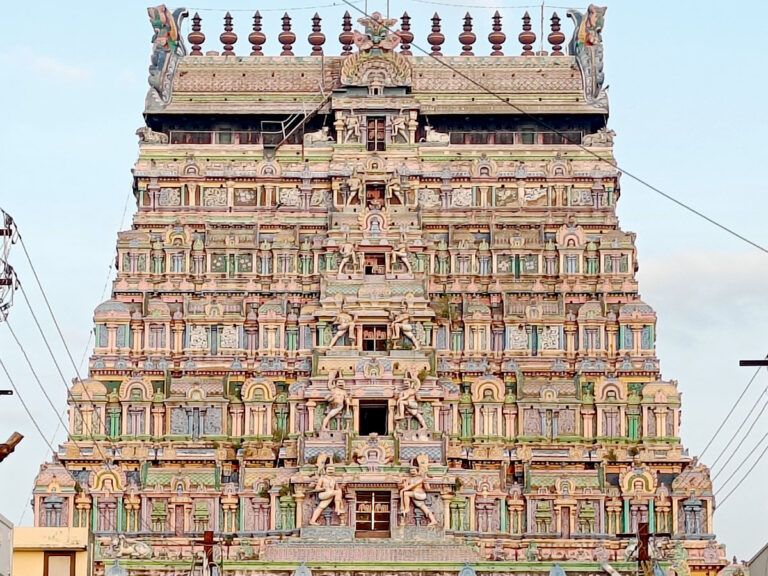
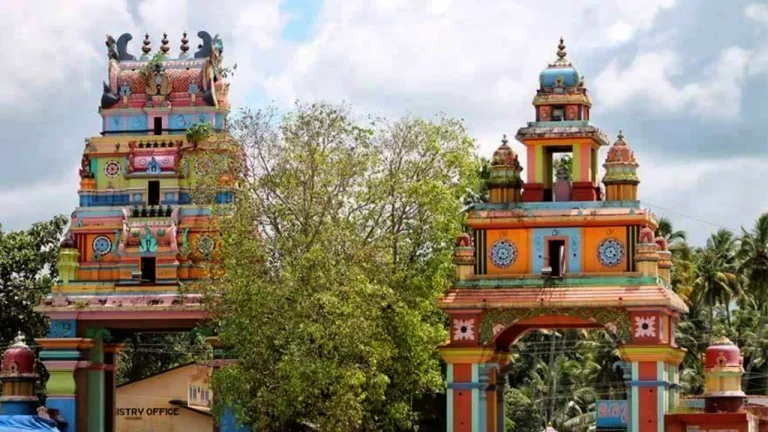
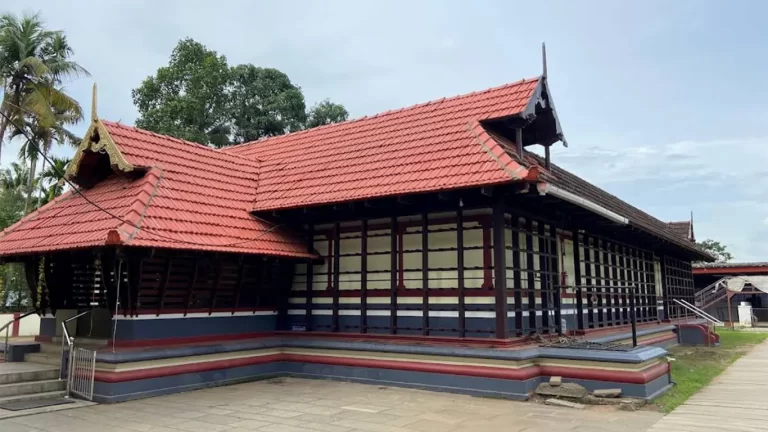
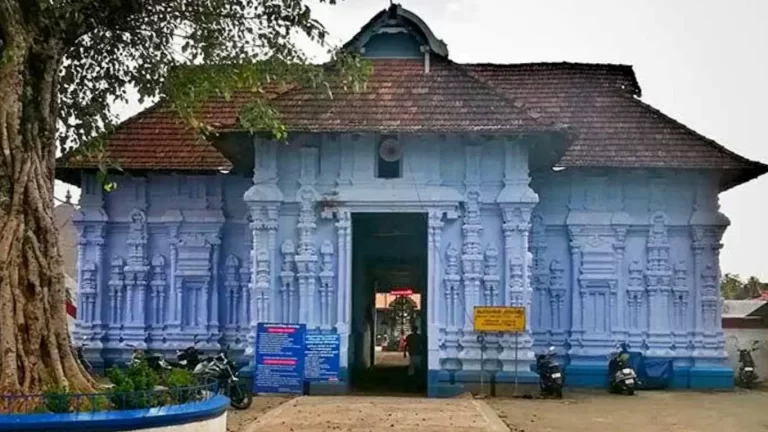
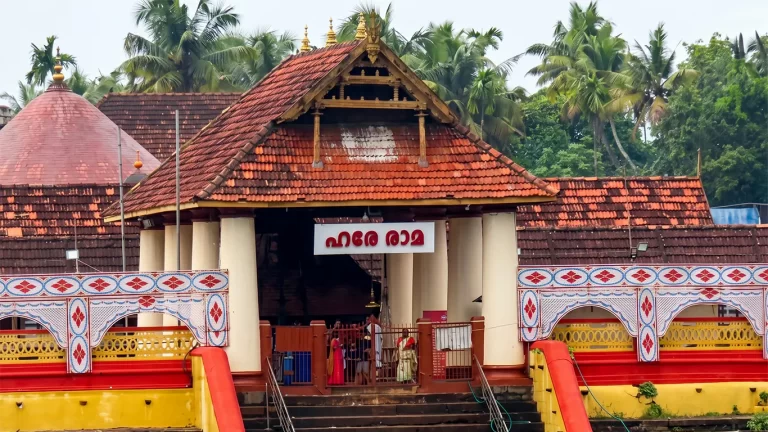
The complex is enclosed by an imposing stone wall (Aanapallil), pierced by four monumental wooden gateway towers (Gopurams) facing North, South, East, and West. Unlike the towering, brightly painted stone towers of Tamil Nadu, Kerala gopurams are characterized by sloping red-tile gables, timber screens, and understated horizontal balance designed to withstand torrential monsoon rains.
The Three Independent Srikovils (Sanctums)
Inside the vast inner courtyard (Chuttambalam), there are three distinct, standalone sanctum sanctorums arranged side by side:
- The Northern Sanctum (Vadakkumnathan): Dedicated to Lord Shiva, housing the ancient ghee-covered lingam.
- The Central Sanctum (Shankaranarayana): A rare circular sanctum dedicated to the unified form of Lord Shiva and Lord Vishnu, symbolizing the harmony between Shaivism and Vaishnavism.
- The Southern Sanctum (Lord Rama): Dedicated to Lord Sri Rama, depicted in a peaceful four-armed standing form holding the conch, discus, bow, and arrow.
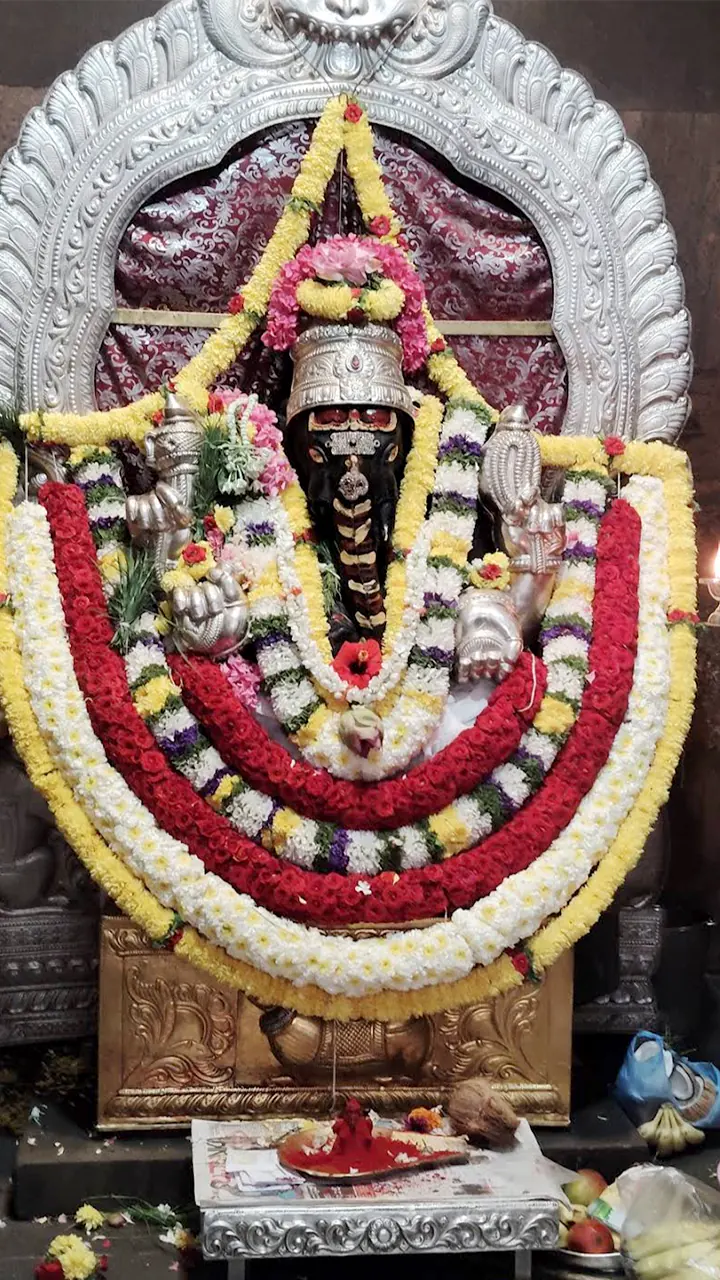
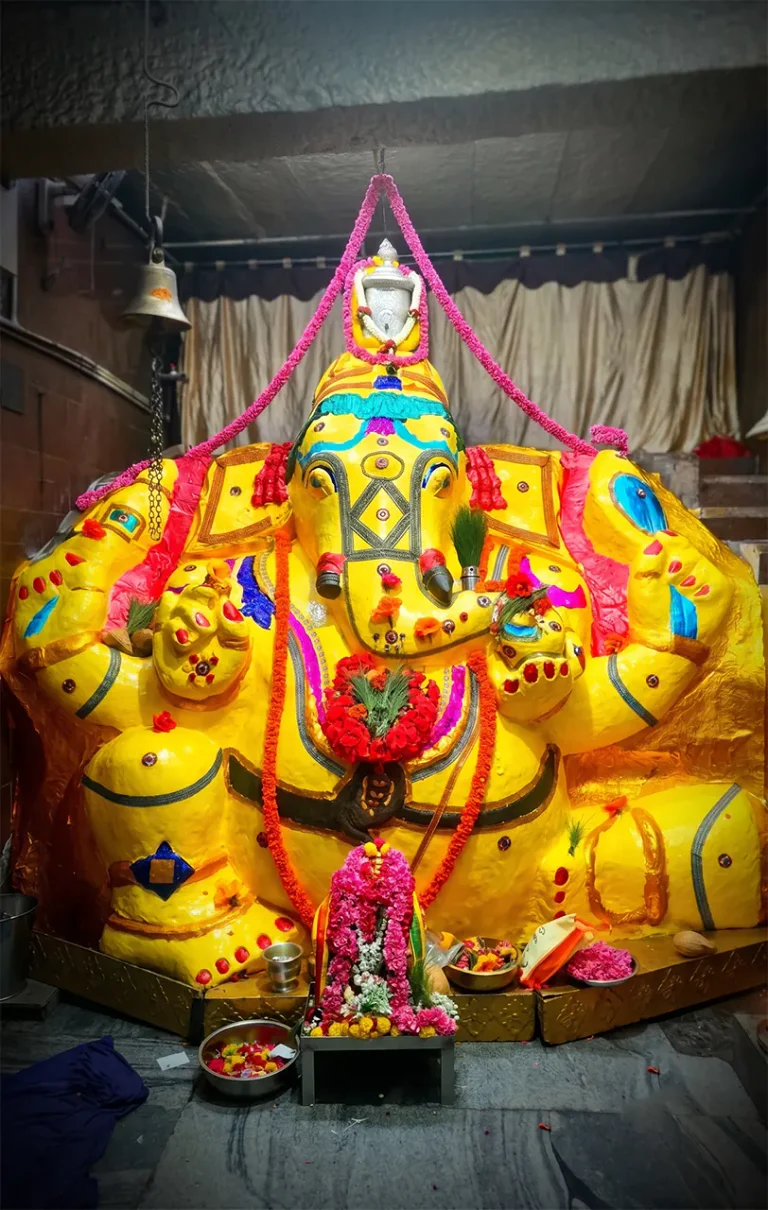
Between the Shiva and Rama sanctums sits an independent circular shrine dedicated to Goddess Parvati facing west. Nearby, facing a side doorway of the Shiva sanctum, is a beloved sub-shrine for Lord Ganesha, known locally as Vettakkaran or the Elephant-headed protector.
The Ancient Koothambalam (Temple Theatre)
The temple houses one of Kerala’s grandest Koothambalams—a sacred auditorium built purely for classical Sanskrit temple theatre, including Koodiyattam and Chakyar Koothu.
- The hall is constructed with exquisite timber lattices that allow fresh air to flow while keeping the interior cool.
- Its pillars are covered in elaborate wooden carvings depicting scenes from the Ramayana and the Mahabharata.
- Traditional oil lamps built into the timber uprights illuminate the stage during performances, creating a mystical interplay of light and shadow.
Historic Murals
The walls of the Shiva and Shankaranarayana sanctums feature surviving 16th- and 17th-century vegetable-dye murals. Notable masterworks include the Vasuprada Shiva (Shiva seated in supreme tranquility) and the rare, dynamic 20-armed Nataraja mural, representing the cosmic dance of dissolution and creation.
Continue Reading >> Simhachalam Temple – Varaha Lakshmi Narasimha Swamy

The Mystery of the Ghee Lingam (Neyyabhishekam)
The most distinctive ritual aspect of Vadakkumnathan Temple is that the stone Shiva Lingam is never visible to human eyes.
For centuries, devotees have sponsored the sacred ritual of Neyyabhishekam—the ceremonial pouring of melted cow’s ghee over the deity during the early morning poojas. Over hundreds of years, this continuous offering has solidified into a massive, shimmering mountain of butter measuring nearly 10 feet in height and 25 feet in circumference.
Read More>> Kapila Theertham Temple Tirupati
The Four Miraculous Properties of the Ghee Mound
- It Never Melts: Despite the tropical heat of central Kerala and the heat generated by hundreds of brass oil lamps burning continuously just feet away, the mound of ghee maintains a firm, solid shape.
- It Never Decays or Attracts Insects: Natural clarified butter kept in room temperature spoils over time. Yet, the centuries-old ghee inside the sanctum emits a fresh, soothing herbal fragrance and never draws ants, flies, or pests.
- Healing Prasadam: During daily worship, small pieces of ghee are gently scraped from the edges of the mound and offered to devotees as prasadam. Thousands of families consume this blessed ghee, believing it holds curative properties for respiratory, neurological, and digestive ailments.
- Symbolic Mountain: Devotees do not see stone; they see a miniature snow-capped peak symbolizing Mount Kailash itself.

Vadakkumnathan Temple Timings and Pooja Schedule
The temple follows an unyielding ritual discipline administered by the Cochin Devaswom Board. Planning your visit around these operational windows ensures you witness the most moving pooja moments.
Daily Timetable
- 03:00 AM: The temple gates open for the day (Nirmalya Darshan). Devotees witness the deity adorned in the previous night’s floral garlands.
- 03:30 AM: Usha Pooja (Dawn rites), accompanied by the chanting of Vedic mantras and the solemn beating of the Maram drum.
- 05:30 AM to 06:30 AM: The principal Neyyabhishekam offering takes place in the sanctum.
- 10:30 AM: Ucha Pooja (Noon Pooja) concludes. The sanctum doors are closed for the midday break.
- 10:30 AM to 04:00 PM: TEMPLE CLOSED. (No darshan is permitted during these afternoon hours).
- 04:00 PM: The temple reopens for evening visitors.
- 06:30 PM (Approximate): Deeparadhana—the evening waving of oil lamps. This is the most visually moving hour to visit; the entire Chuttambalam glows with oil lamps, accompanied by percussion.
- 07:30 PM: Athazha Pooja (Night Offering).
- 08:30 PM: Final prayers and temple gates close for the night.
Tip for Pilgrims: If you want a peaceful darshan without large crowds, aim for 04:00 PM to 05:30 PM on weekdays. For a spiritually charged atmosphere with traditional temple drums, visit during Deeparadhana (around 06:15 PM).
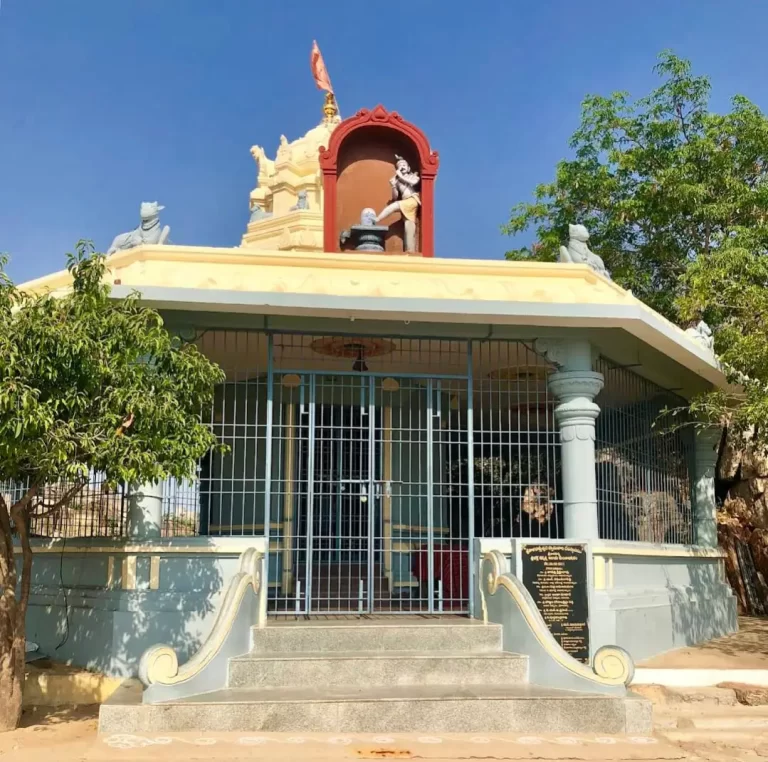
Vadakkumnathan Temple Dress Code, Customs and Visitor Etiquette
Because Vadakkumnathan is a living traditional Kerala temple, visitors must observe strict behavioral and attire protocols.
1. Traditional Dress Code
- For Men: Men must wear a clean Dhoti (Mundu) wrapped around the waist. The upper body must remain completely bare—shirts, t-shirts, vests, and jackets must be removed before passing the inner wooden gateway. A simple Angavastram (cloth) may be draped over the shoulders. Trousers, jeans, shorts, and caps are forbidden.
- For Women: Traditional clothing is mandatory. Women should wear a Saree, Set Mundu, Half-Saree, or modest Salwar Kameez. Western clothing, skirts, crop tops, and jeans are strictly disallowed.
2. Inner Courtyard Entry Rules
- Religious Affiliation: Under longstanding Kerala temple administration rules, access to the inner courtyard (Nalambalam) is restricted to practicing Hindus only. Non-Hindu visitors are welcome to explore the sprawling green grounds of the outer Thekkinkadu Maidan and appreciate the architecture of the outer gopurams from outside.
- Footwear: All shoes, sandals, and socks must be deposited at the designated footwear counters located near the entrance gopurams before stepping onto the stone pavement.
- Electronic Devices: Mobile phones, digital cameras, smartwatches, and video recorders are strictly banned inside the inner complex. Switch off your mobile phones and leave them in your vehicle, hotel, or at the security cloakroom.
3. Sacred Pradakshina (Circumambulation) Rules
The circumambulation path at Vadakkumnathan is unique and complex. Unlike other temples where visitors walk around all deities together, here pilgrims follow a specific traditional route (Pradakshina Kramam):
- Devotees first pray at the Simhodara shrine outside.
- Enter through the main entrance and first seek blessings from Lord Shiva (Vadakkumnathan).
- Move southward to bow before Lord Shankaranarayana.
- Proceed to the circular shrine of Lord Sri Rama.
- Circle back to pay homage to Goddess Parvati and Lord Ganesha.
- Crucial Rule: Devotees never cross the sacred water spout (Somasoothram) exiting the Shiva sanctum; instead, they reverse direction to complete the circumambulation as per Shaivite Agamic traditions.
Major Festivals and Events
1. Thrissur Pooram (April / May)
Vadakkumnathan Temple is the proud host and dramatic venue for the mother of all Kerala temple festivals: Thrissur Pooram. Conceived by Maharaja Sakthan Thampuran, the festival brings together ten regional temples divided into two rival factions: the Western Group (headed by Thiruvambadi Temple) and the Eastern Group (headed by Paramekkavu Temple).
- Ilanjithara Melam: Over 250 traditional percussionists gather inside the temple under the sacred Ilanji tree to perform the world’s most intricate orchestral percussion piece using Chendas, Kombus, and Kurumkuzhals.
- Kudamattom: Thirty caparisoned male tuskers face each other in front of the southern gopuram, holding ornate silk parasols that are exchanged in rapid, rhythmic succession.
- Note: Although the Pooram centers on the temple grounds, the main deity inside does not participate directly in the procession; Vadakkumnathan acts as the divine host presiding over visiting deities.
2. Maha Shivaratri (February / March)
Shivaratri is celebrated with immense devotion. Devotees observe strict day-long fasts and remain awake throughout the night inside the temple courtyards. Special continuous Abhishekams with ghee, milk, and tender coconut water are performed through all four quarters of the night (Yama Poojas), accompanied by the soft chanting of Om Namah Shivaya.
3. Aanayoottu (July / Karkidakam Month)
During the monsoon month of Karkidakam, the temple organizes Aanayoottu—a mass feast for temple elephants. Dozens of unadorned elephants line up across the temple grounds and are lovingly fed special medicinal Ayurvedic rice balls mixed with jaggery, coconut, turmeric, and sugarcane to nourish them during the wet season.
Practical Pilgrimage Planning: How to Reach and Stay
Thrissur is widely referred to as the cultural capital of Kerala, making it easily accessible from all parts of India.
By Train
Thrissur Railway Station (Code: TCR) is a major junction on the southern rail network, located just 2 km from the temple. Daily superfast and express trains connect Thrissur directly to major cities including Chennai, Bengaluru, Mumbai, Delhi, Hyderabad, and Kochi. Auto-rickshaws and taxis are available round-the-clock outside the station.
By Air
The closest airport is Cochin International Airport (COK) at Nedumbassery, situated roughly 53 km to the south. Taxis are readily available at the airport arrivals terminal; travel time to Thrissur via National Highway 544 takes about 75 to 90 minutes.
By Road
Thrissur is well connected by regular state transport (KSRTC) buses and private luxury coaches running along NH 544. The KSRTC Central Bus Stand is located next to the railway station, just a five-minute drive from the temple grounds.
Accommodation and Food
Because the temple sits in the heart of Thrissur city, numerous family-friendly hotels, budget guest houses, and heritage resorts are located within a 3 km radius around Swaraj Round. Thrissur offers excellent vegetarian dining choices serving authentic traditional Kerala sadya, dosas, and filter coffee.
Frequently Asked Questions (FAQs)
What is unique about the lingam at Vadakkumnathan Temple?
The stone lingam is entirely covered under an ancient 10-foot-high mound of consecrated cow’s ghee (Neyyabhishekam). Built up over centuries of daily offerings, the ghee remains solid despite the heat and oil lamps, never decays, and is distributed as healing prasadam.
Can non-Hindus enter Vadakkumnathan Temple?
No. In accordance with Cochin Devaswom Board bylaws, the inner sanctum courtyard (Chuttambalam) is open exclusively to practicing Hindus. Non-Hindus may walk freely around the outer Thekkinkadu Maidan and admire the grand timber gopurams from outside.
Can I wear jeans or shirts inside the temple?
No. Men must remove shirts, t-shirts, and vests, entering with a bare upper body and wearing a traditional Dhoti/Mundu. Women must wear a saree, set mundu, or salwar kameez. Western wear, skirts, jeans, and shorts are strictly banned.
What are the main darshan timings on weekdays?
The temple is open every day from 03:00 AM to 10:30 AM in the morning and from 04:00 PM to 08:30 PM in the evening. The sanctum doors remain closed between 10:30 AM and 04:00 PM.
Is photography permitted inside Vadakkumnathan Temple?
Photography, video recording, and the use of mobile phones are strictly prohibited inside the inner complex to preserve the sanctity of the shrine.
How much time is needed for a complete darshan?
On an average weekday, darshan across all three main sanctums takes approximately 45 to 60 minutes. On auspicious days such as Mondays, Pradosham, or Maha Shivaratri, wait times can extend from 2 to 4 hours.