Mehandipur Balaji Temple Rajasthan: Complete Darshan, Ritual & Visitor Guide
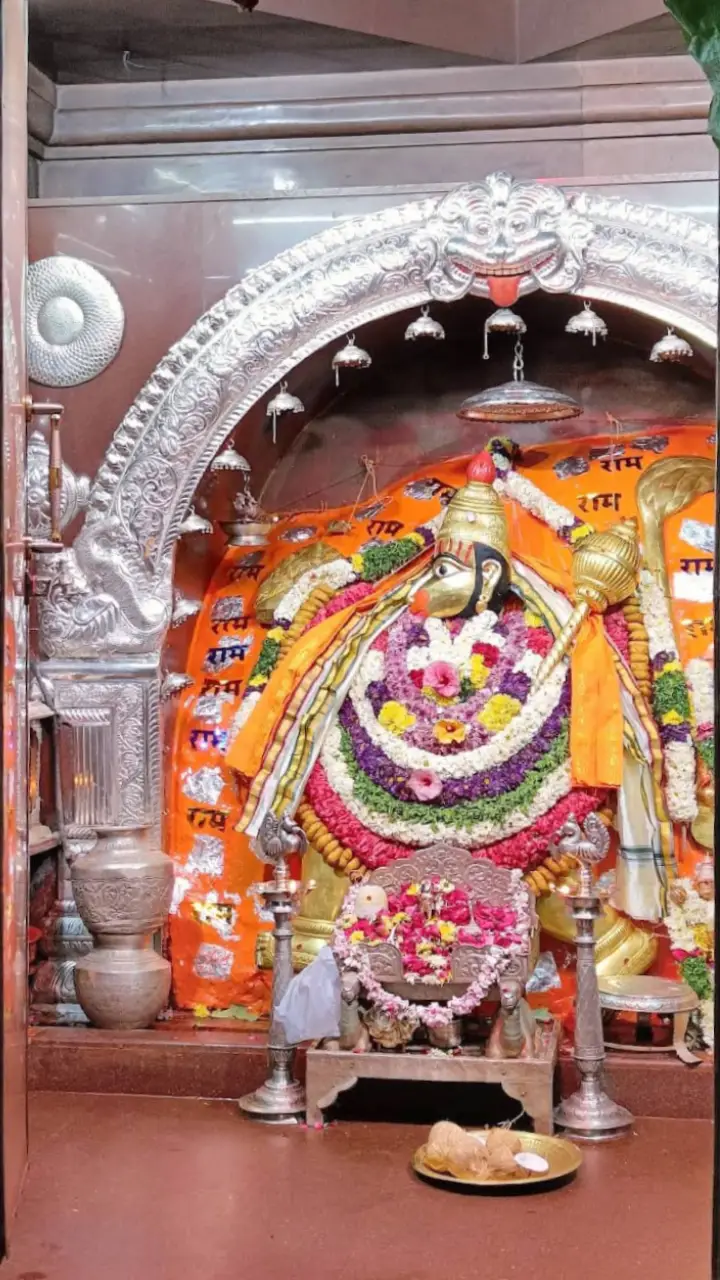
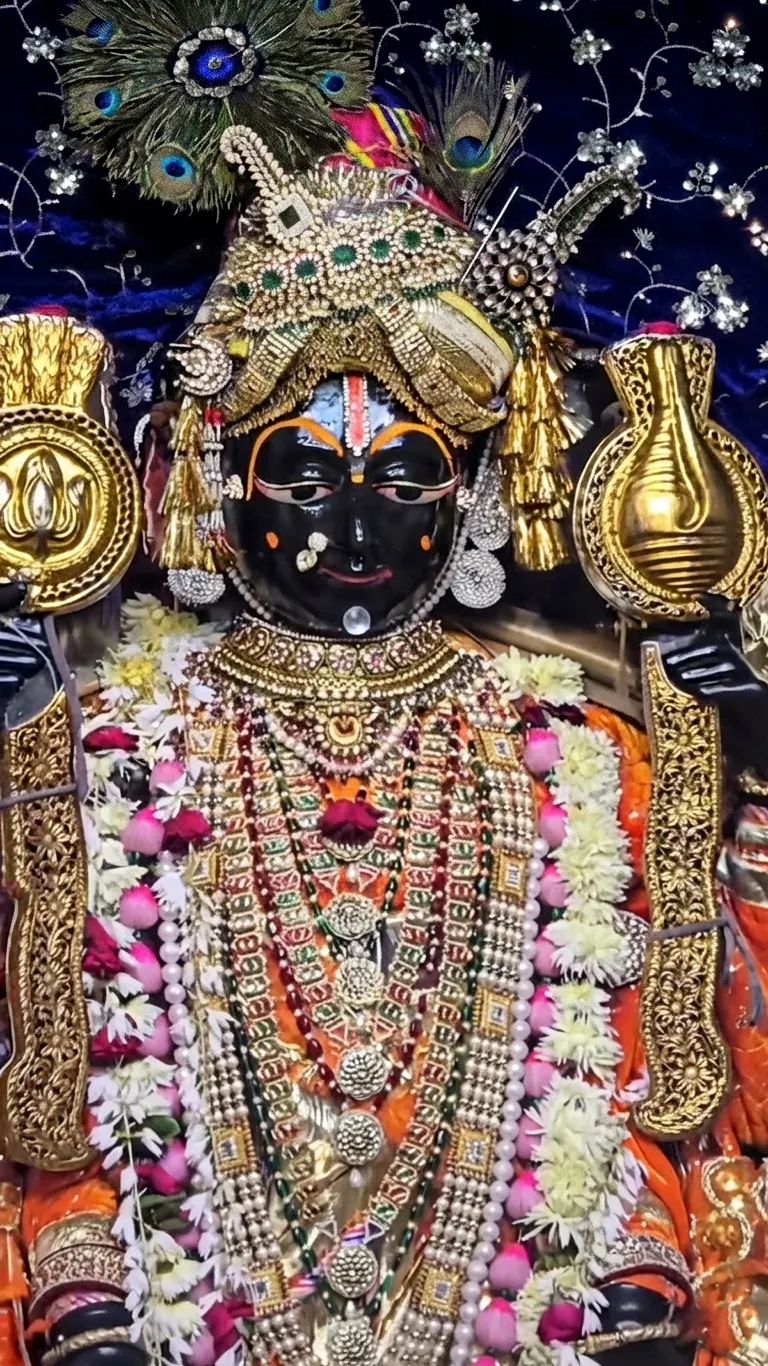
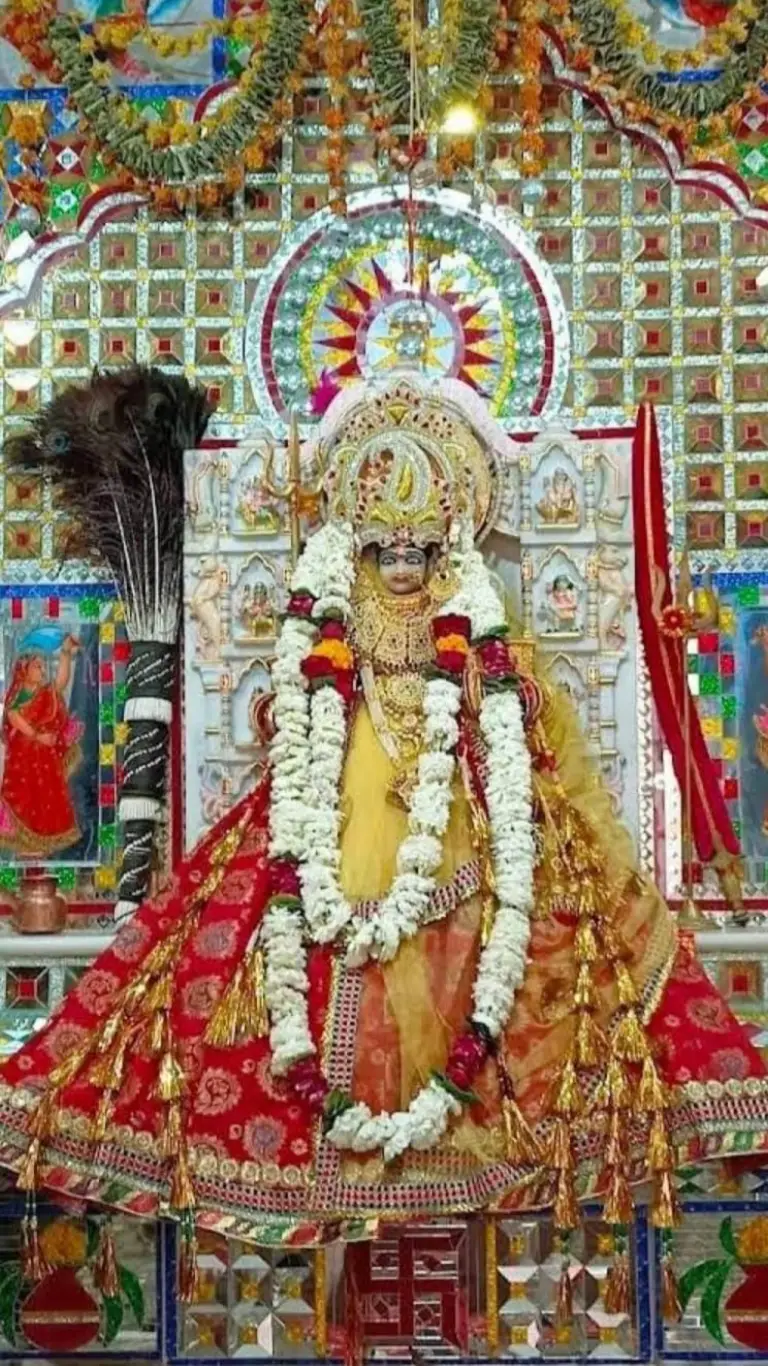
Mehandipur Balaji Temple is a world-renowned Hindu pilgrimage shrine dedicated to Lord Hanuman, situated across the border of Dausa and Karauli districts in Rajasthan. Famed as a powerful centre for sankat mochan (relief from severe life distress, spiritual afflictions, and negative energies), the temple welcomes thousands of devotees every day seeking divine healing, peace, and spiritual protection.

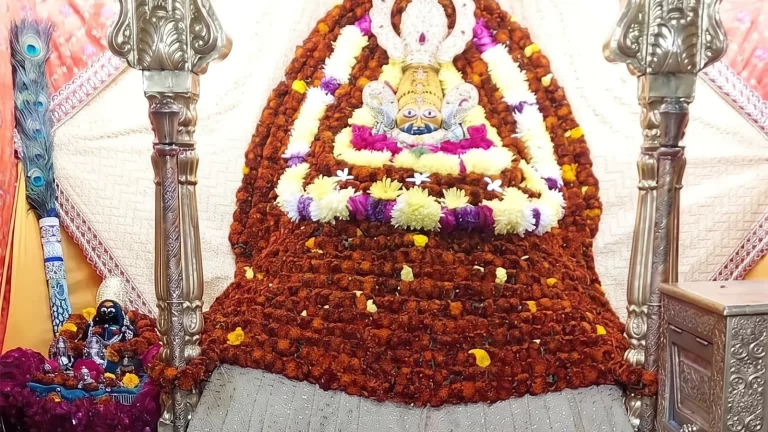
Unlike conventional temples where visits centre primarily on quiet prayer and viewing the deity, Mehandipur Balaji operates under a unique, centuries-old ritual framework. Pilgrims here participate in specific spiritual petitions known as Darkhast and Arzi, directed toward a holy triad: Shri Balaji Maharaj (Lord Hanuman), Shri Pretraj Sarkar (the King of Spirits), and Shri Bhairav Baba (Kotwal Kaptaan). Whether you are visiting for the first time or seeking solace for personal hardships, understanding the temple’s sacred customs, daily timings, and strict behavioral rules ensures a safe, respectful, and fulfilling pilgrimage.
Quick Information: Mehandipur Balaji Temple
| Feature | Details |
| Temple Name | Mehandipur Balaji Mandir (श्री मेहंदीपुर बालाजी मंदिर) |
| Main Deity | Lord Hanuman (manifested as child-form Balaji) |
| Accompanying Deities | Shri Pretraj Sarkar and Kotwal Kaptan Shri Bhairav Baba |
| Location | Mehandipur Village, border of Dausa and Karauli districts, Rajasthan, India |
| District Headquarters | Dausa (~44 km) and Karauli (~70 km) |
| Daily Temple Timings | 06:00 AM to 09:00 PM (open all days; may vary slightly during major festivals) |
| Morning Aarti | Approximately 06:00 AM to 07:00 AM |
| Evening Aarti | Approximately 06:30 PM to 07:30 PM |
| Key Offerings & Rituals | Darkhast (entry petition), Arzi (formal appeal), Sawa Mani (sweet offering) |
| Best Time to Visit | October to March (pleasant desert weather); Tuesdays and Saturdays draw peak crowds |
| Major Festivals | Hanuman Jayanti, Holi, Dussehra, and Deepawali |
| Nearest Railway Station | Bandikui Junction (BKI, ~36 km) |
| Nearest Airport | Jaipur International Airport (JAI, ~105 km) |
| Road Access | Directly off National Highway 21 (Jaipur-Agra Highway) |
| Entry Fee | Free general darshan; paid token queues available during heavy rush |
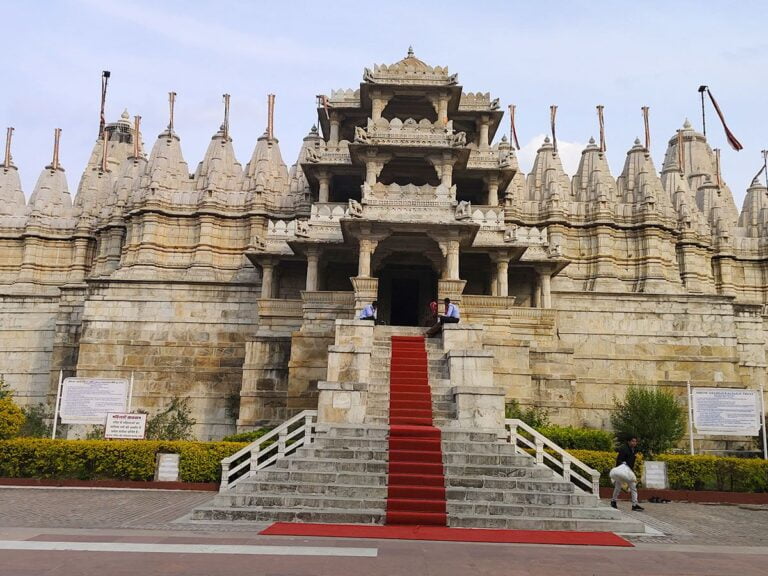
Read More>> Ranakpur Temple | Ranakpur Jain Temple Mystery

The Spiritual Significance of Mehandipur Balaji
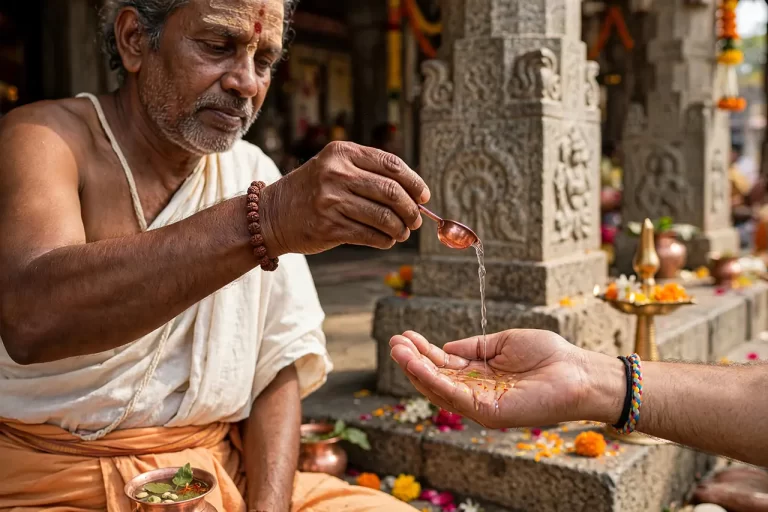
The name “Balaji” refers to Lord Hanuman in his divine youthful manifestation. According to long-standing devotional belief, the idol of Shri Balaji at Mehandipur is swayambhu (self-manifested out of the Aravalli hills) rather than carved by human hands. A small natural stream of holy water continually flows near the deity’s left chest, believed by devotees to be a sign of living divine grace; priests collect this sacred water to sprinkle on devotees during prayers.
The spiritual court (darbar) of Mehandipur is unique in northern India. Devotees believe Lord Hanuman presides here as supreme judge over spiritual disorders, mental distress, and negative unseen forces. He is assisted by two key subordinate powers:
- Shri Pretraj Sarkar: Regarded as the monarch of spirits, Pretraj Sarkar evaluates the spiritual petitions of troubled souls and grants relief from lingering negative influences, unexplainable physical distress, and psychological torment.
- Kotwal Kaptaan Shri Bhairav Baba: Serving as the stern executive commander of the divine court, Bhairav Baba executes justice and ensures complete spiritual cleansing and protection for those who surrender to the temple’s discipline.
Together, this triad forms a sacred sanctuary where people from every corner of India seek an end to afflictions that conventional remedies have failed to heal.
Read More>> 750 Year Old Ananta Vasudeva Temple

Understanding the Holy Offerings: Darkhast, Arzi, and Sawa Mani
Darshan at Mehandipur Balaji differs fundamentally from typical temple visits. You do not simply buy sweets, offer them to the sanctum, and eat the remnants. Offerings here are legal-spiritual appeals submitted to the divine court.
1. Darkhast (The Initial Petition)
Darkhast translates to a formal introductory prayer or petition. When you first enter Mehandipur, you purchase a specific Darkhast plate from the authorised temple trust counters or reputable shops outside.
- A standard Darkhast package contains small portions of round black sweets (often sesame and jaggery or besan laddoos) arranged in distinct packets.
- You present this offering to the priest at the main Balaji sanctum. The priest offers a portion into the sacred fire (dhuni) and touches the rest to the holy sanctuary.
- You then take the remaining portions and present them in the inner chambers dedicated to Shri Pretraj Sarkar and Shri Bhairav Baba.
- Once offered, you do not consume any of these sweets; they are surrendered completely to the temple fire to burn away negative energies.
2. Arzi (The Formal Spiritual Appeal)
If a family member suffers from chronic emotional, psychological, or unexplained ailments, devotees submit an Arzi.
- An Arzi plate is larger and includes specific measures of boiled black grams (urad dal), boiled rice, and round sweets.
- Just like a formal court appeal, the Arzi is placed before Balaji Maharaj first, followed by Pretraj Sarkar, and concluded before Bhairav Baba.
- The offering signifies that the afflicted soul has handed over all burdens and negative attachments to the divine authority for judgment and release.
3. Sawa Mani (Thanksgiving Offering)
Sawa Mani refers to an offering weighing approximately one and a quarter maund (historically around 50 kilograms, though scaled packages are arranged through temple authorities). Devotees make a mental vow (mannat) that once their suffering ends or a deep desire is fulfilled, they will present a Sawa Mani of laddoos, pedas, or dal-bati-churma. The sweets are distributed entirely among visiting pilgrims, ashrams, and the underprivileged on-site.
Read More>> Incredible Facts About Siddhivinayak Temple Mumbai You Didn’t Know

Essential Rules & Visitor Etiquette: What You Must Know
Mehandipur Balaji has very strict customs that every visitor must respect. These rules are designed to preserve spiritual cleanliness and keep your mindset calm:
- Never Look Back When Leaving: Once you finish your final prayers in the temple chambers and step out of the gates, walk straight forward to your lodging or vehicle. Do not look back over your shoulder toward the sanctum.
- Do Not Bring Prasad, Food, or Water Back Home: This is the most crucial rule of Mehandipur. Consume any prasad, food, tea, or snacks inside the boundaries of the town. Never carry food packets, water bottles filled in the village, or temple sweets back to your home city. Finish or dispose of everything before departing.
- Do Not Accept Sweets or Cloves from Strangers: Outside the temple, stick exclusively to authorized counters. Never accept cloves, cardamoms, lemons, or sweets handed to you by unknown persons in the street.
- Maintain Calm Witness Awareness: Inside the complex, you may encounter devotees crying, shouting, or rolling on the floor in intense emotional release (peshi). Do not mock, film, stare aggressively, or panic. Understand that this is a therapeutic spiritual purge; simply recite the Hanuman Chalisa in your mind and move forward peacefully.
- Empty Your Pockets Before Leaving: Before crossing out of the Mehandipur town limits, ensure you have no unused prasad or temple offerings remaining in your bags or vehicle.

Daily Darshan & Aarti Schedules
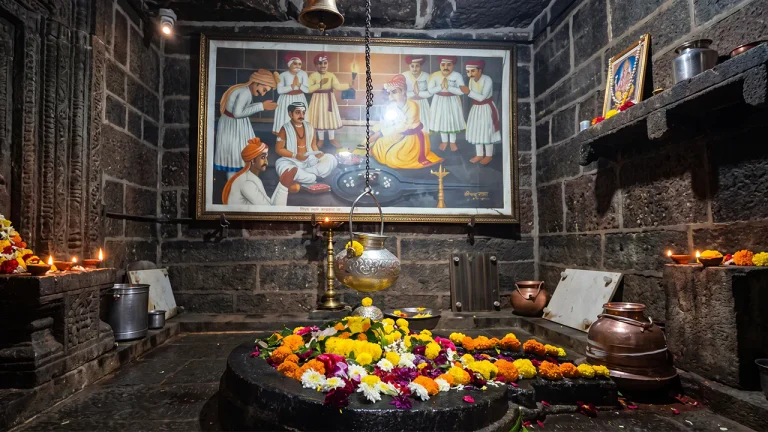
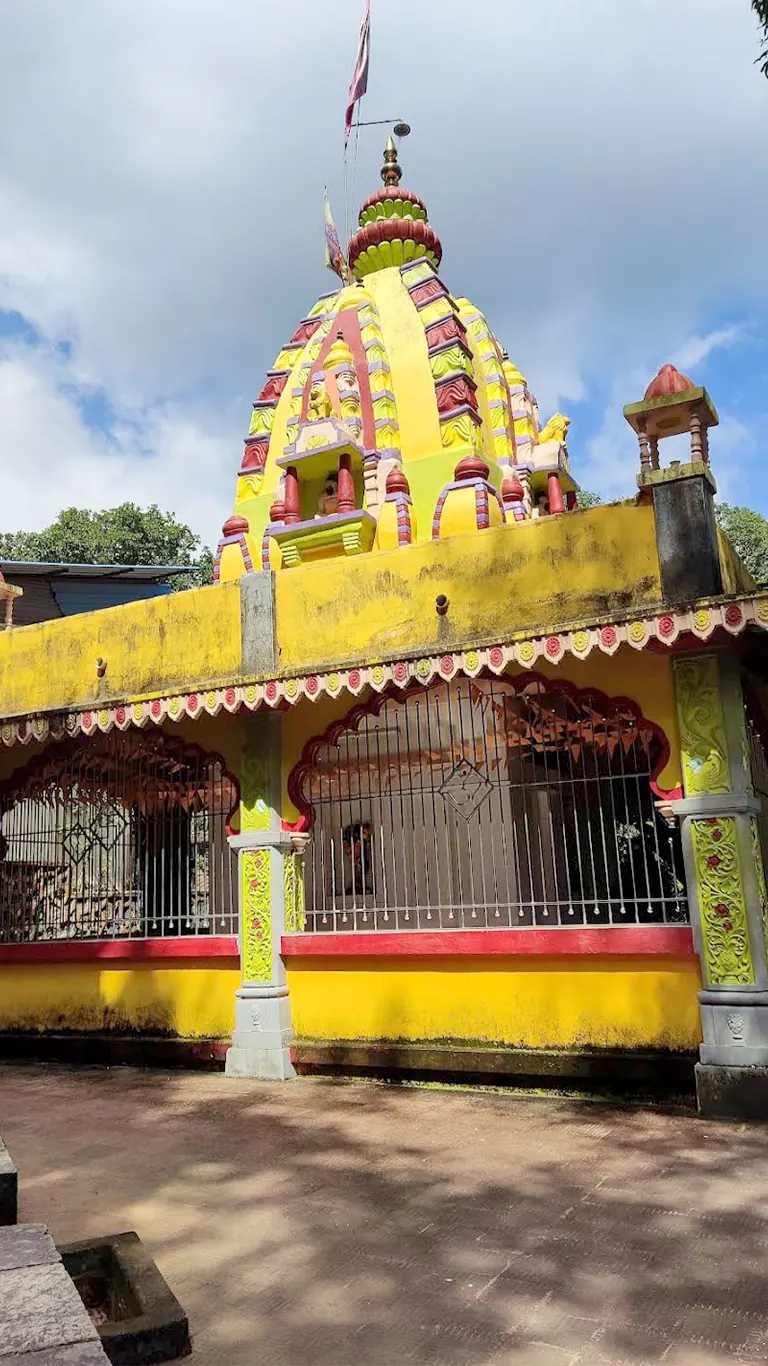
The temple gates open early every morning to accommodate lines of pilgrims that form well before sunrise.
- Morning Aarti: 06:00 AM – 07:00 AM (Timings adjust forward by 30 minutes in peak winter months).
- General Darshan: Continues throughout the afternoon with brief interruptions for bhog and cleansing.
- Evening Aarti: 06:30 PM – 07:30 PM (Accompanied by powerful drum beats and conch resonance).
- Night Closure: The temple doors typically close at 09:00 PM.
Visitor Tip: Crowds swell substantially on Tuesdays, Saturdays, and full moon (Purnima) nights. If travelling with elderly family members or young children, prefer visiting between Wednesday and Friday morning for a far calmer darshan experience.
Read More>> Tadbund Hanuman Temple: The Most Powerful Temple in Telangana
Sthala Purana: How the Shrine Manifested
The origin of Mehandipur Balaji dates back roughly one thousand years. According to local devotional history, the dense forests of the Aravalli range in this region were home to a pious priest, Mahant Shri Ganesh Puri Ji’s ancestor. In a vivid dream, Lord Hanuman revealed that his divine image was resting in the valley beneath the rocks.
Upon following the divine vision, the priest uncovered the self-manifested stone idol of Balaji, alongside shrines for Pretraj Sarkar and Bhairav Baba. Soon after, miraculous healings and relief from spiritual distress began occurring for visitors to the secluded forest site. The lineage of Mahants has overseen the continuous worship, sacred fire (dhuni), and devotional charity here ever since.

How to Reach Mehandipur Balaji
Mehandipur is well connected via national expressways and northern rail lines connecting eastern Rajasthan with Delhi and Uttar Pradesh.
1. By Air
The closest airport is Jaipur International Airport (JAI), located approximately 105 km away. From the airport, you can hire a private taxi directly to Mehandipur Balaji via the Jaipur-Agra National Highway (NH-21), taking roughly 2 to 2.5 hours.
2. By Train
The most convenient railhead is Bandikui Junction (BKI), situated about 36 km from the temple. Bandikui is an important stop on the Delhi-Jaipur-Ajmer railway corridor and receives regular express trains. Devotees can easily plan their journey through the Indian Railways Passenger Portal. Shared jeeps, local buses, and private taxis run continuously from Bandikui station to the temple gates. Alternatively, Dausa Railway Station (DO) is around 44 km away.
3. By Road & Bus
Mehandipur sits directly adjacent to NH-21 (Jaipur-Agra National Highway). Rajasthan State Road Transport Corporation (RSRTC) buses traveling between Jaipur, Bharatpur, Dausa, and Agra halt directly at the Mehandipur Balaji Mor (turn-off), located about 3 km from the temple entrance. Electric rickshaws and auto-rickshaws connect the highway turn-off to the main market area. For broader state pilgrimage itineraries, refer to the Rajasthan Tourism Official Portal.


Accommodation and Pilgrim Amenities
Mehandipur has developed an extensive infrastructure to cater to spiritual seekers:
- Dharamshalas: Dozens of community-run and charitable dharamshalas surround the temple complex. Clean, basic rooms with attached washrooms are available at very affordable rates (typically ranging from ₹300 to ₹800 per night).
- Hotels & Guest Houses: Several budget private hotels operate along the main road leading into the village, providing air-conditioned rooms, elevator facilities, and private parking.
- Locker Facilities: Mobile phones, cameras, leather items (belts, wallets), and excess luggage are prohibited inside the inner sanctum. Dedicated trust lockers and secure luggage counters are available outside the main gate for a nominal fee.
- Dining & Pure Vegetarian Food: Numerous bhojanalayas serve traditional, pure vegetarian Rajasthani meals (dal-bati-churma, roti-sabzi, and khichdi). Remember to eat whatever you purchase within the village boundaries.
Frequently Asked Questions (FAQs)
Can women visit Mehandipur Balaji during periods?
In keeping with traditional Hindu temple customs across North India, women are advised to refrain from entering the temple complex during their menstrual cycle. It is recommended to plan your visit once your cycle is complete.
Is it safe to take children to Mehandipur Balaji?
Yes, it is physically safe. However, young children might feel confused or intimidated by the loud chanting, intense crowds, and emotional catharsis (peshi) displayed by some distressed pilgrims in the inner halls. Keep your children close by your side and focus their attention on prayers to Lord Hanuman.
Can I carry water or leftover food back to my home?
No. The foundational spiritual tradition of Mehandipur mandates that nothing edible, drinkable, or sanctified (flowers, leaves, holy threads, prasad) should be transported past the village limits back to your household. Everything must be consumed, offered, or respectfully disposed of inside the holy town.
What is the difference between Salasar Balaji and Mehandipur Balaji?
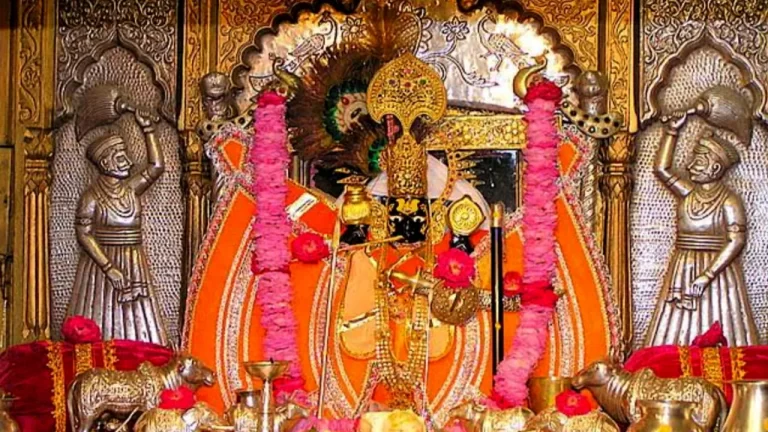
Both are famous shrines of Lord Hanuman in Rajasthan, but their spiritual focus is distinct. While Mehandipur Balaji is visited primarily as a hospital for spiritual ailments, negative energies, and intense sankat, Salasar Balaji in Churu district presents Hanuman with a beard and moustache in a calm, wish-fulfilling (kalyan-kari) devotional atmosphere. Many pilgrims complete a combined circuit visiting both holy sites.
How much time is needed for complete darshan?
On ordinary weekdays, complete darshan across the three shrines takes between 1.5 and 3 hours. On Tuesdays, Saturdays, and festival days like Hanuman Jayanti, wait times can extend from 4 to 7 hours due to dense queues. Early morning visits are always recommended.