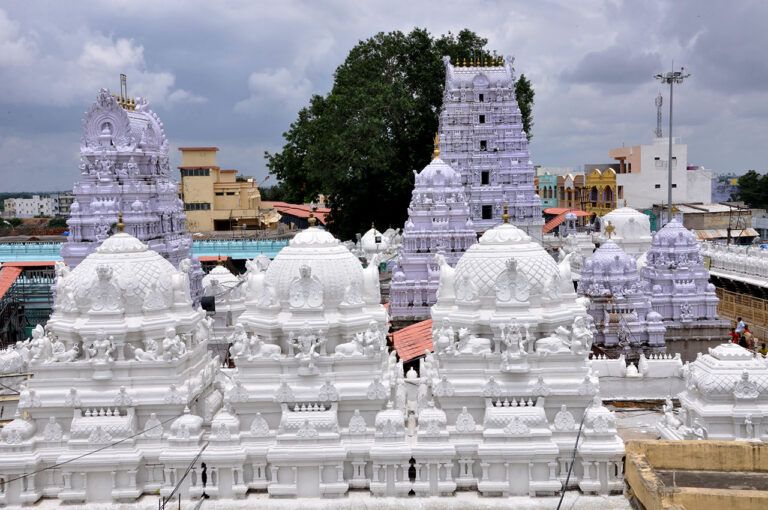
Peruvanam Mahadeva Temple Thrissur
Peruvanam Mahadeva Temple. Hidden away in the idyllic village of Cherpu, within the stunning Thrissur district of Kerala, India, this temple is not only a structure; it is a living, breathing tale, a sigh from long ago that has so much to impart. Imagine, one of the oldest and most sacred Shiva temples in the entire state of Kerala, and you’re getting ready to find out why it’s so deeply rooted in so many people’s hearts. So, let’s take hands, figuratively speaking, and step into this holy place together.
Peruvanam Mahadeva Temple History
Now, imagine traveling back in time, way, way back! The Peruvanam Mahadeva Temple has been standing for what seems like an eternity. They say it has been here since the time Kerala itself was formed, and some even think that it was founded by no less a person than Parasurama, a great sage and warrior in Hindu mythology. He is believed to have formed the state of Kerala by driving back the sea! Isn’t that an incredible idea? If you can visualize, he built 64 Brahmin villages, and Peruvanam was one of them, in the very midst of it all.
This temple is so old that its history speaks in hushes across centuries. Parts of it are said to have been built as early as the 10th or 11th century! Just consider, what great things these walls have witnessed! It has endured so much, even being referred to in a very old inscription of the 10th century known as the Orakam inscription of Kothai Varman. Try writing on stone tablets like that! It has endured periods when it was destroyed, such as the time of Tipu Sultan. But just like an old, sturdy tree, it just grew again, even stronger.
You see, in the old days, the temple was not only a place of worship; it was the center of the village. And the Peruvanam Mahadeva Temple was just that for the old Peruvanam village. It was the place where everything happened, where people congregated, and where people passed down traditions and stories from generation to generation, just the way your grandparents tell you stories.
Read More>> Garbarakshambigai Temple: Secret of Fertility & Safe Birth
Legend of the Temple
All the ancient temples have great stories, and the Peruvanam Mahadeva Temple has some really enchanting ones! Picture a highly learned sage, a rishi by name Puru. He so adored this place that he used to visit here to meditate and pray to Lord Shiva. This place, in those times, used to be a dense forest, a “vanam” in Malayalam. And since Sage Puru used to meditate here, people began referring to it as “Peruvanam,” short for “Puru’s forest.” Isn’t that darling? It’s sort of naming a park after someone who enjoyed spending time there!
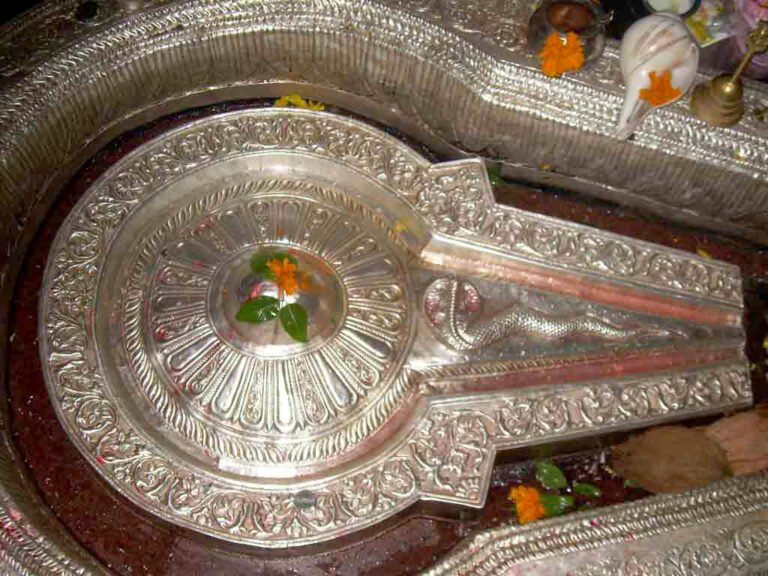
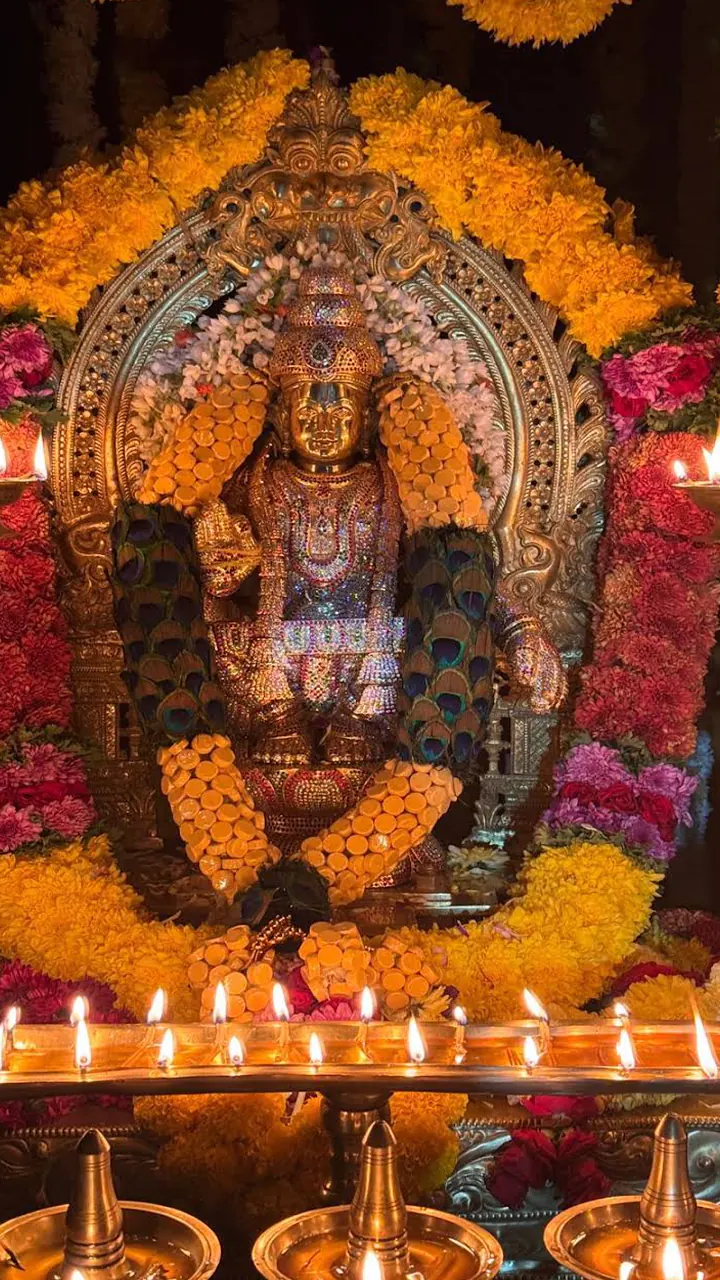
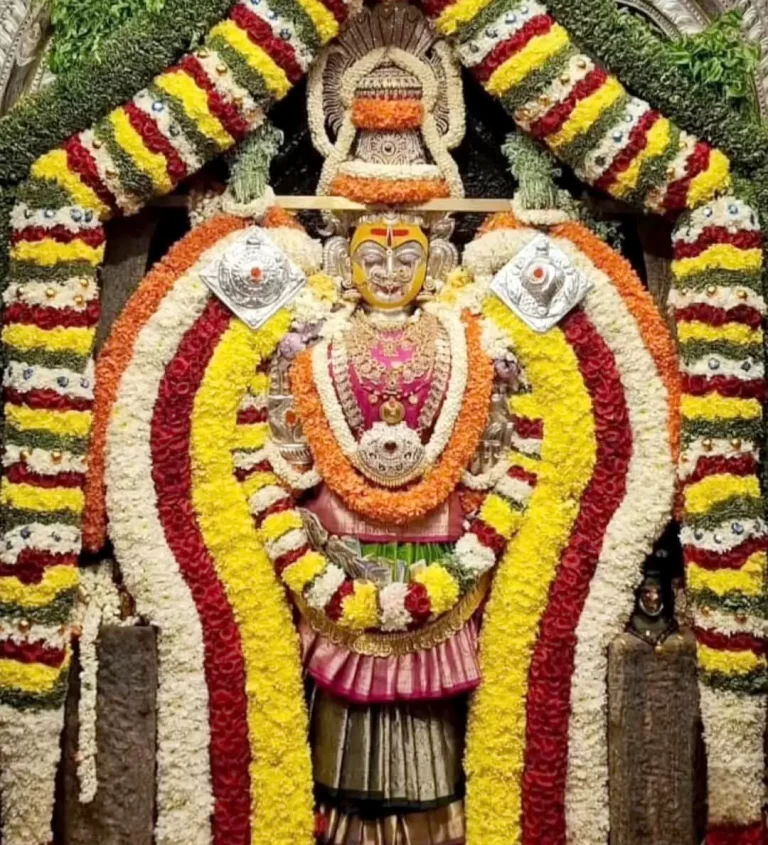
The most distinctive feature of this Peruvanam Mahadeva Temple is its presiding deity, Lord Shiva. But with a twist: the Shiva here is famous as Erattayappan, literally “Twin God.” Can you think of why? Because within the central shrine, there are two Shiva Lingams on one platform! One of them is larger, and the other is slightly smaller.
It’s really special! Some say these two Shiva Lingams symbolize Lord Shiva and Goddess Parvati as a couple, like they’re always together, a lovely idea called Ardhanarishvara. It indicates how precious both the male and female energies are in the world. Others think that it symbolizes Lord Shiva and Lord Narayana (Vishnu) as a pair, illustrating that all the gods are intertwined.
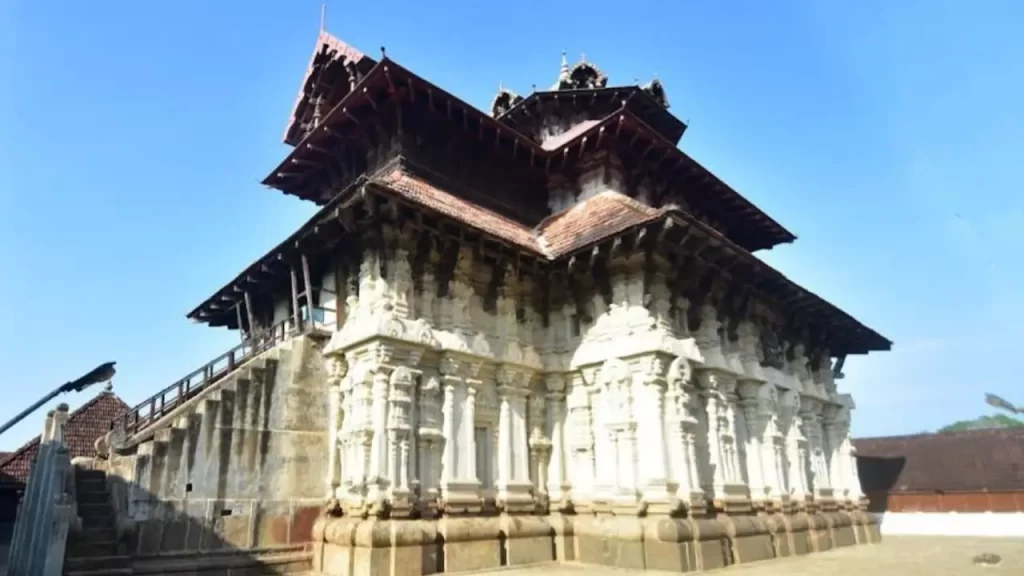
There’s another such special shrine here, for Madathilappan, who is also Lord Shiva. The shrine is tall, a three-story building, and you must climb numerous steps to go there. It’s said that the Shiva Lingam here was the one which Sage Puru worshipped himself for so many, many years. Imagine, the same stone upon which a great sage offered his prayers, is still here to be witnessed! And would you believe it? Sage Puru himself has a small temple shrine inside the temple complex. So, when you go there, you can also offer your prayers to the wise sage who blessed this site so much.
Read More>> Kondagattu Anjaneya Swamy Temple
Significance of Peruvanam Mahadeva Temple
So, what makes the Peruvanam Mahadeva Temple so very special? Well, it’s not merely an old structure; it’s a highly sacred site where one feels near to God. It’s one of the 108 renowned Shiva temples in Kerala, and that’s a big thing! Individuals from far and wide visit here to pray for their country, to bask in the tranquility, and to seek blessings of Lord Shiva.
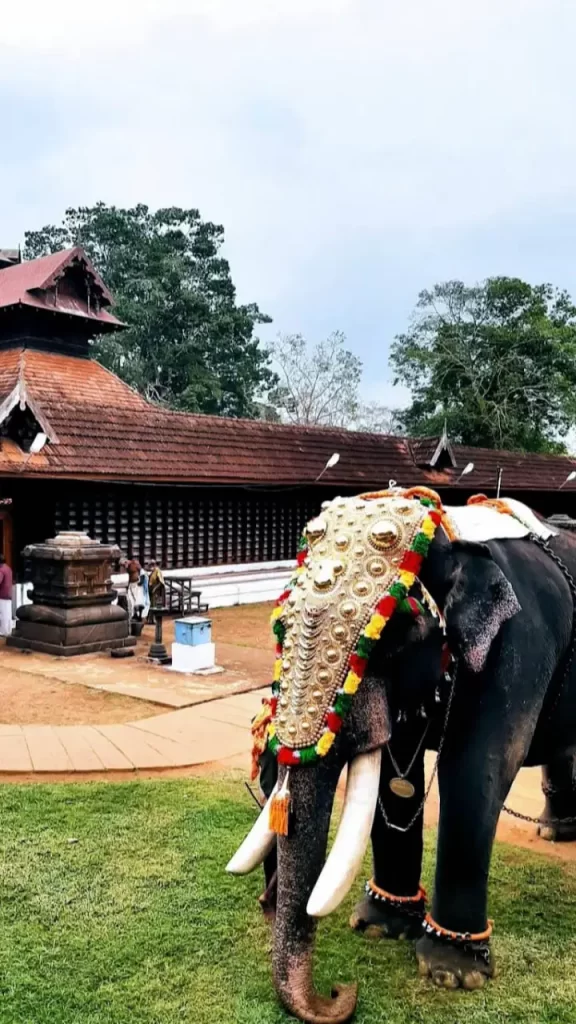
One of the most famous reasons why it is so well known is the Peruvanam Pooram. Have you heard of the Thrissur Pooram with elephants and music blasting? Well, guess what! The Peruvanam Pooram is older! It’s one of the world’s oldest organized festivals, dating back over 1400 years! Think about a festival that ancient! It’s a big event, a feast to the senses, with deities from 23 other temples arriving in great processions, borne on ornate elephants, to pay homage to Erattayappan.
The music of traditional percussion instruments such as pancharimelam and pandi melam fills the air. It’s a spectacle, a joyful explosion of culture, religion, and happiness. If you would like to witness the Peruvanam Mahadeva Temple in its liveliest and most crowded form, this is the time to come! It typically occurs during the Malayalam month of Meenam (March-April).
The temple also acts as a custodian of ancient rituals and traditions. The poojas (prayers) and offerings are done daily with immense devotion following practices that are centuries old. It is a place where you can actually get in touch with the spiritual soul of Kerala.
Read More>> Hampi Uncovered: Achyuta Raya Temple Mystery You Need to See!
Peruvanam Mahadeva Temple Architecture
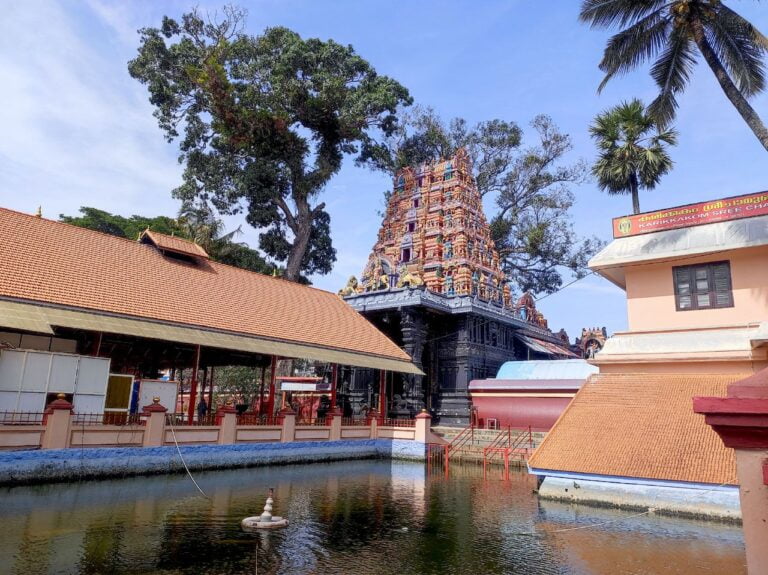
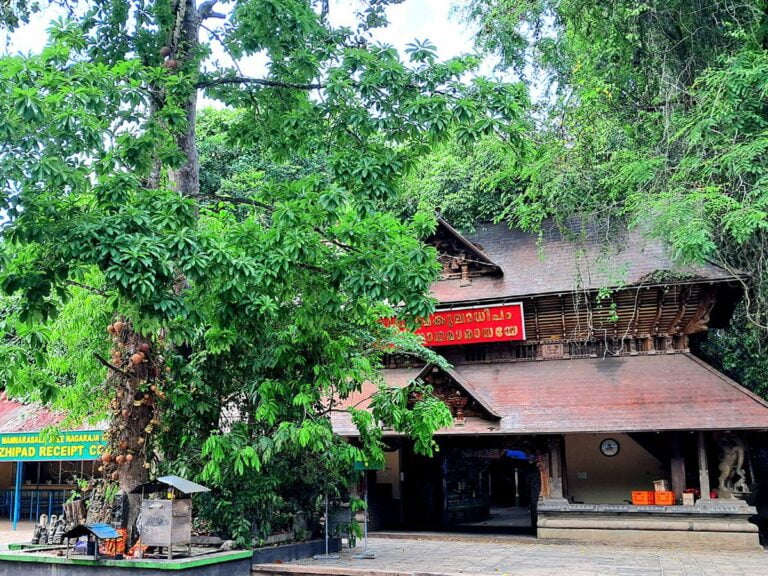
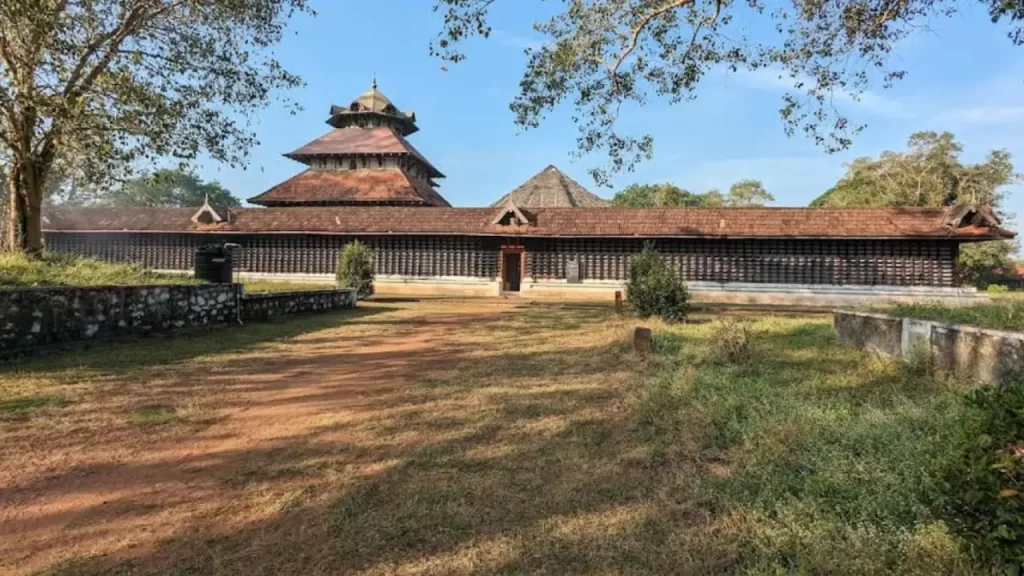
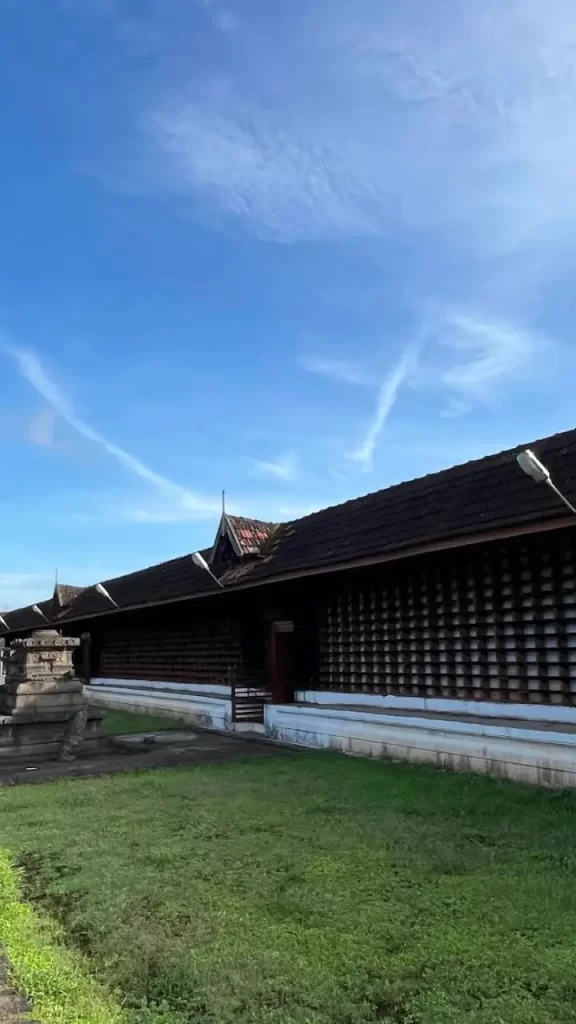
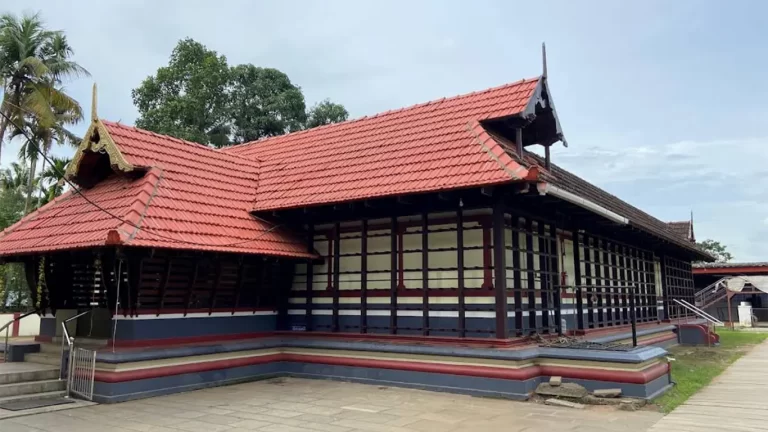
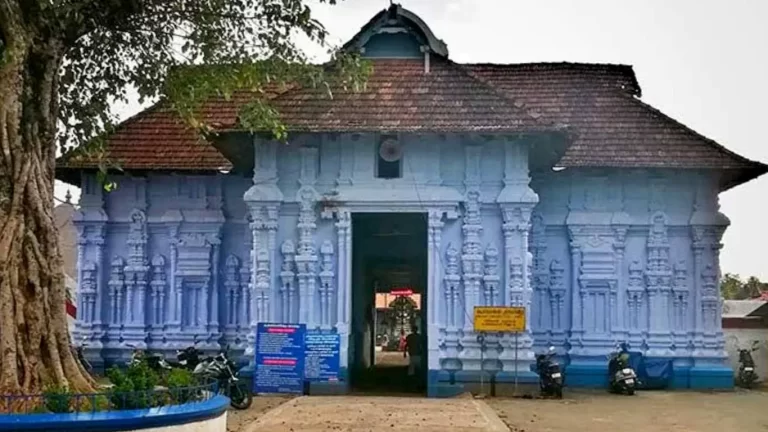
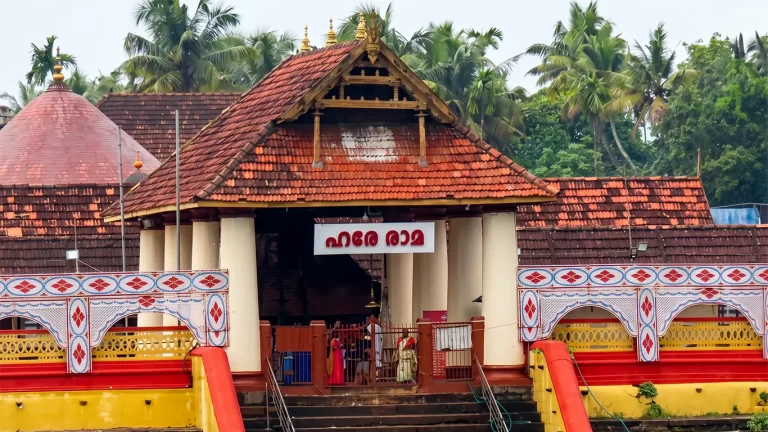
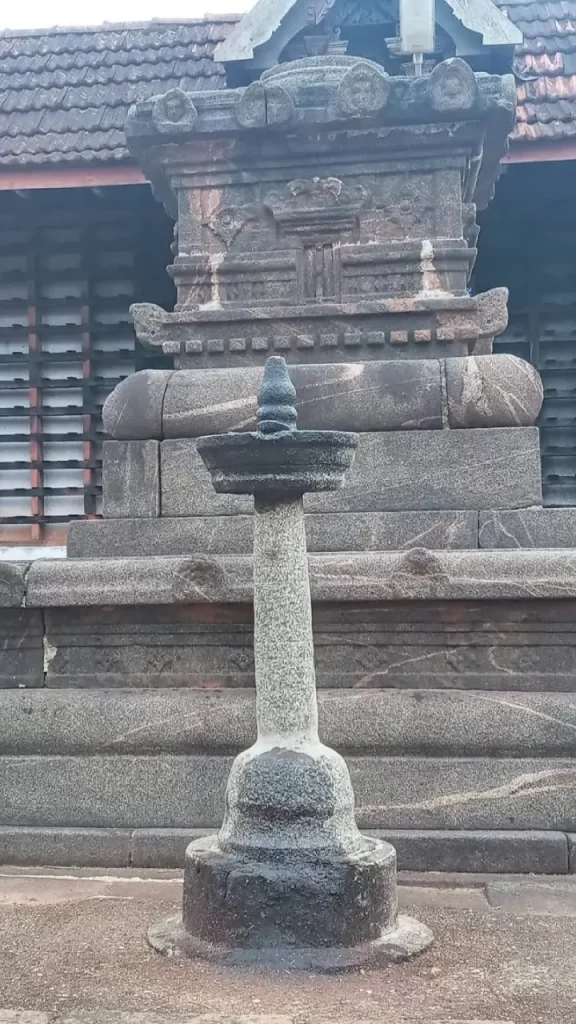
Let’s discuss how the Peruvanam Mahadeva Temple appears! It resembles a giant, gorgeous puzzle constructed of stone and wood, in Kerala style. Consider a large playground, around 7 acres, and the temple is located in the center, enclosed by a sturdy compound wall.
The main shrine, called the Sreekovil, is very special because it’s square-shaped, which is quite rare in Indian temples. It’s like a special box where the twin Shiva Lingams, Erattayappan, reside. The walls have amazing old artwork and colorful paintings, called murals. Just think, artists painted these so long ago!
And then there’s the Madathilappan shrine, a grand three-story temple. Approaching this shrine by climbing stairs feels like ascending and ascending towards reaching the gods. The manner in which the shrine has been constructed, having multiple levels and exquisite carvings, testifies to how resourceful and able the constructors were long ago. They even used wood for the third story, adorning it with fine artwork.
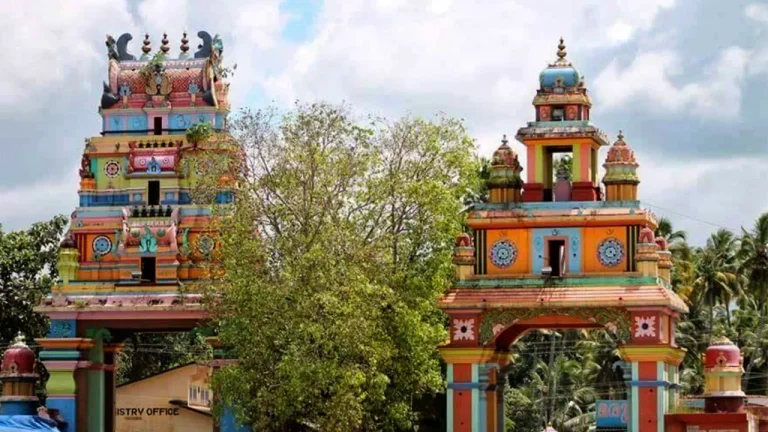
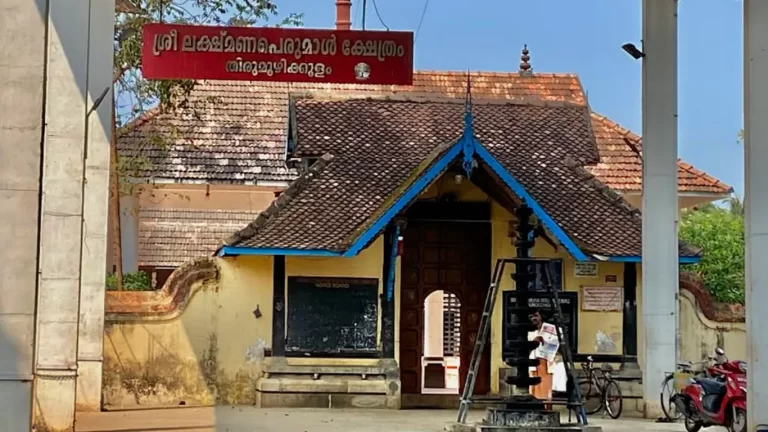
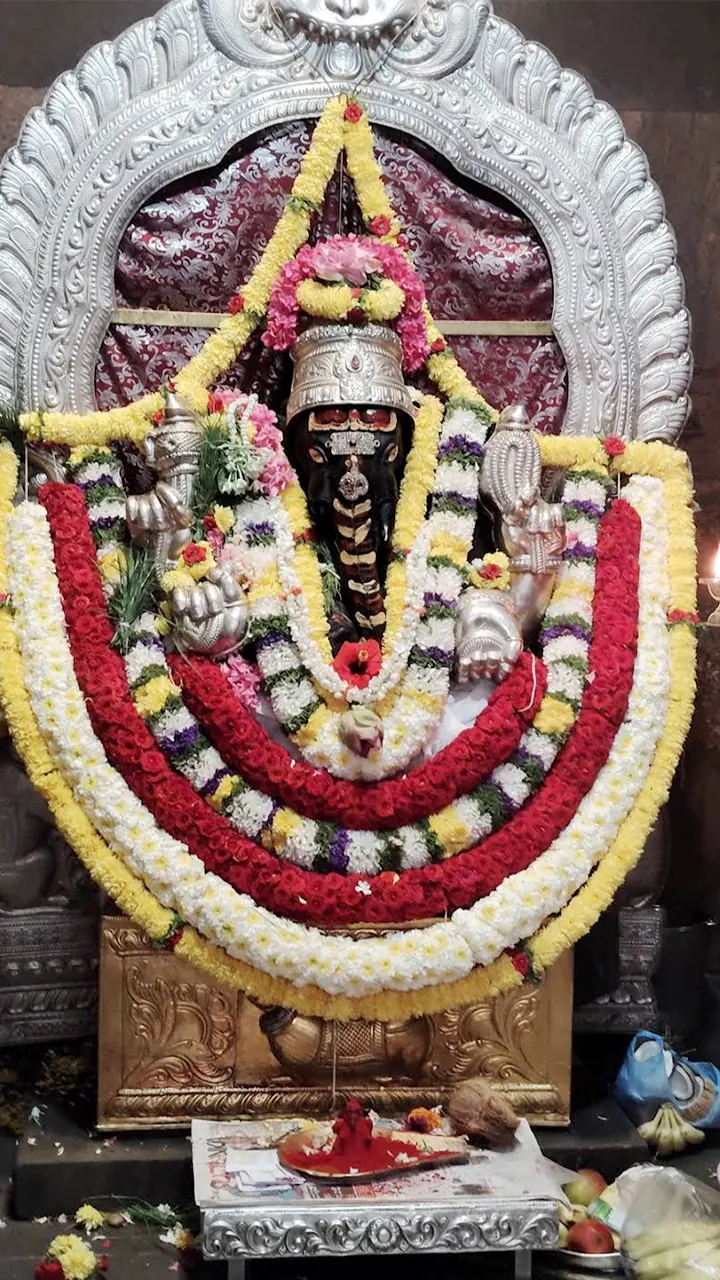
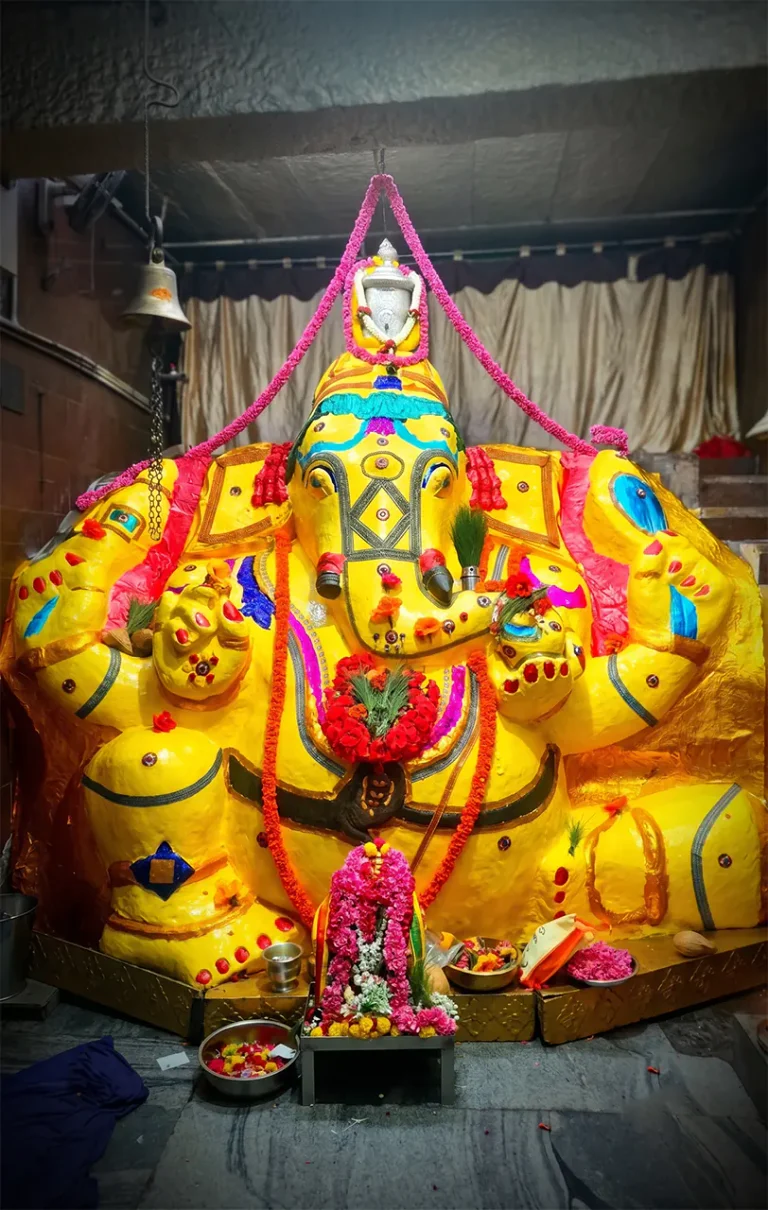
Surrounding the central shrines are smaller shrines for other deities, such as Lord Ganesha (the elephant-headed deity who erases obstacles), Goddess Parvati (the wife of Lord Shiva), Lord Vishnu (the protector), and Dakshinamoorthy (Lord Shiva as a preceptor). Even Sage Puru has a shrine! It’s as if an entire spiritual family is residing under one roof. Peruvanam Mahadeva Temple also contains two dvarashalas, which are gatehouses, and a Koothambalam, a unique hall for traditional temple arts and performances.

Myths and Beliefs
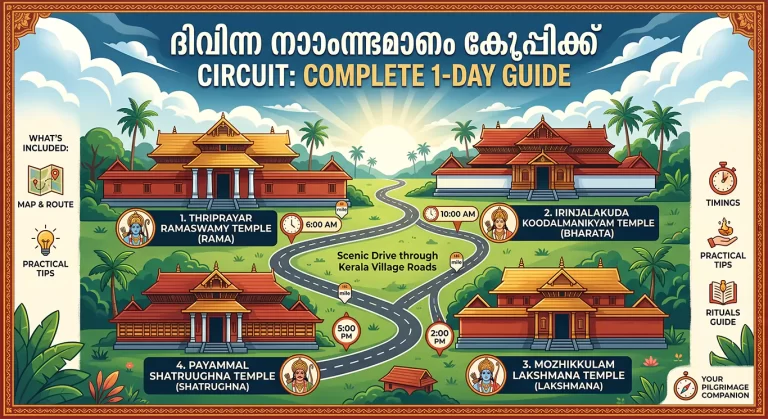
The Peruvanam Mahadeva Temple is filled with interesting myths and beliefs. One of the most dominant beliefs is that a mere visit to this temple and prayers can bestow tremendous blessings. Locals believe that Lord Shiva here, known as Erattayappan, is extremely powerful and can grant wishes and aid in overcoming obstacles.
One of the shared rituals is the Pradakshina Krama, where one has a special method of circumambulating the deities in a specific sequence to receive the maximum blessings. It is like walking on a hidden path to reach all the gods within the temple! The normal practice is to pay obeisance to Erattayappan first, followed by Goddess Parvati, Dakshinamoorthy, Erattayappan again, Madathilappan, Sage Puru, then Lord Ganapathy, and lastly Erattayappan again before exiting the inner courtyard. It’s such a nice way to pay obeisance to each of the deities.
Most of the devotees perform special poojas (prayers) here. For instance, the Maha Mrithyunjaya Homam is an extremely powerful prayer that is done for long life, health, and safety from premature death. There’s also Dhara, where water or other fluids are constantly poured over the Shiva Lingam, inducing peace of mind. And Ganapathy Homam is performed to clear obstacles on your path. Every pooja has a special significance and is performed with utmost faith.
It’s also said that the temple’s holy pond, Thotukulam, possesses sacred powers, particularly at the time of Peruvanam Pooram when all the participating deities take a ritual bath there. It’s a symbol of cleansing and a new start.
Read More>> The Secret of Aruvikkal Sree Shiva Subrahmanya Swami Temple
Peruvanam Mahadeva Temple Timing
If you’re planning to go to the Peruvanam Mahadeva Temple, it’s nice to know when the gates are open! Generally, the temple opens its gates to visitors in the mornings and evenings.
Morning: 5:00 AM to 10:30 AM
Evening: 5:00 PM to 7:30 PM
Keep in mind, though, that these timings tend to change at times, particularly on special festivals or festival days, so it’s always best to double check before heading out. Everyone is free to visit the temple, which is great!
Special Days and Rituals as well as Busy Days
The Peruvanam Mahadeva Temple really comes alive in its special days and festivals!
The most packed day, and the year’s highlight, is on the Peruvanam Pooram. This lavish festival is typically held during the Malayalam month of Meenam, which is approximately March or April. If you wish to see the temple in its most lively state, with elephants, sounds of music, and thousands of people, this is your time! It is a spectacular vision that draws visitors from all across Kerala and the world.
Other significant days and festivals are:
Maha Shivaratri: It’s a significant festival in honor of Lord Shiva, worshiped with great faith and special prayers. It occurs in either February or March.
Pradosham: They are certain twilight moments, twice a month, when it is very auspicious to pray to Lord Shiva. Devotees attend Peruvanam Mahadeva Temple during Pradosham to pray specially.
Thiruvathira: This festival, held in the Malayalam month of Dhanu (December-January), is commemorated for Lord Shiva and Goddess Parvati, particularly by women, for marital happiness and health.
Vishu: The Kerala New Year, typically in April, is also marked with special rituals.
Navaratri: The nine nights worshiping the divine feminine are also celebrated.
41 days in Makaram: Makaram (mid-January to mid-February) is viewed as a special time for spiritual discipline.
On these sacred festivals, Peruvanam Mahadeva Temple grounds will be abuzz with activity, devotional hymns, and cultural dances. It’s a great way to witness the rich heritage of Kerala.
Sites to Explore Around the Temple
You see, Kerala is referred to as “God’s Own Country” for a very good reason, and the surroundings of the Peruvanam Mahadeva Temple are not short on other such lovely and holy sites that you may enjoy visiting!
Vadakkumnathan Temple, Thrissur: About 14 km away, right in the center of Thrissur city, is another exceedingly renowned Shiva temple. It’s famous for its large structure and is the central spot for the Thrissur Pooram. You might even get to hear the reverberations of the percussionists who also perform at Peruvanam here!
Guruvayur Sri Krishna Temple: A must-see if you’re a Krishna fan, some 26 km from Peruvanam. One of the holiest pilgrim centers in Kerala, always crowded with devotees.
Arattupuzha Sree Sastha Temple: This temple holds great significance because Peruvanam Pooram concludes with a ritual bath for the gods at the Arattupuzha temple pond. It’s part of the grand pooram tradition!
Punnathur Kotta Elephant Sanctuary: Located close to Guruvayur, this is an unusual site where you will find loads of elephants owned by the Guruvayur temple. It’s not a temple, but a very spiritual experience hanging around these beautiful creatures.
Peechi Dam and Wildlife Sanctuary: If you love nature, this place, which is approximately 35 km away, has lovely scenery and an opportunity to catch glimpses of local wildlife.
Athirappilly Waterfalls: Around 33 km from here, these beautiful waterfalls are awe-inspiring. It’s a great spot to appreciate the beauty of nature after a spiritual experience.
How to Reach Peruvanam Mahadeva Temple
It is relatively easy to reach the Peruvanam Mahadeva Temple. It is well connected to major cities and towns in Kerala.
By Air: The closest airport is Cochin International Airport (COK), approximately 44 km away. Taxi or bus from the airport can be taken to come to the temple.
By Train: The closest major railway station is Thrissur Railway Station (TCR) located about 9.5 km away. Thrissur is a large junction, and hence many trains do stop there. From Thrissur, you will easily get local buses or auto-rickshaws to Cherpu, where the temple is situated.
By Bus: Thrissur has a well-equipped KSRTC (Kerala State Road Transport Corporation) bus station, which is around 9.8 km from the Peruvanam Mahadeva Temple. Local buses to Cherpu can be taken from there. Buses are a very common means of transport in Kerala, and you will see them very frequently.
By Road: If you’re traveling by road, the temple is quite accessible from Thrissur through local roads. Cherpu is a familiar landmark. GPS can be used, and locals are always willing to provide directions.