Alampur Jogulamba Temple: Location, Shakti Peetha Significance, and Visitor Guide
Alampur Jogulamba Temple is a sacred Hindu shrine dedicated to Goddess Jogulamba in Alampur, located in the Jogulamba Gadwal district of Telangana, India. In Hindu pilgrimage tradition, it is honored as one of the Ashta Dash Maha Shakti Peethas (18 major Shakti Peethas) and is revered as the western gateway (Pashchima Dwaram) to Srisailam.
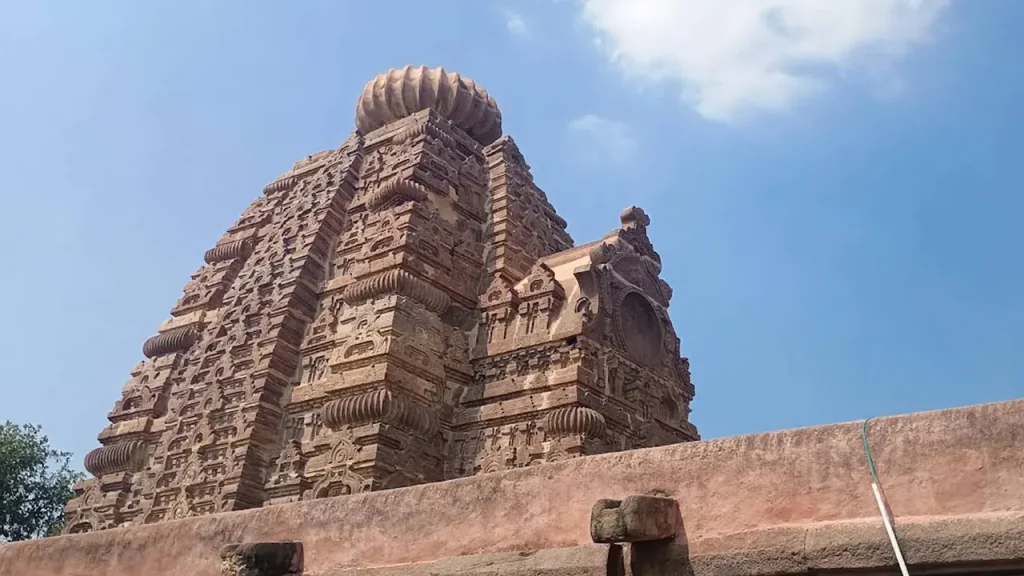
Standing near the confluence of the Tungabhadra and Krishna rivers, Alampur brings together intense Shakti devotion, Shaiva temple heritage, and early Deccan stone architecture. Whether you are planning a family pilgrimage, combining Alampur with a Srisailam yatra, or exploring Telangana’s ancient temple heritage, this complete guide covers the temple’s sacred meaning, documented history, iconography, rituals, seasonal planning, and nearby shrines.
Quick Information About Alampur Jogulamba Temple
| Feature | Details for Pilgrims and Visitors |
| Temple Name | Alampur Jogulamba Temple (Sri Jogulamba Bala Brahmeshwara Swamy Devasthanam complex) |
| Presiding Deity | Goddess Jogulamba (Ugra / protective form of Shakti) |
| Consort / Companion Shrine | Lord Bala Brahmeshwara Swamy (and the Navabrahma group of temples) |
| Location | Alampur town, Jogulamba Gadwal district, Telangana, India |
| River Context | Near the sacred confluence (Sangam) of the Tungabhadra and Krishna rivers |
| Pilgrimage Status | One of the 18 Maha Shakti Peethas; Western Gateway (Pashchima Dwaram) to Srisailam |
| Architectural Heritage | Associated with Badami Chalukya temple architecture (with later restoration/rebuilding of the Jogulamba shrine) |
| Daily Darshan Timings | Typically open in morning and evening sessions; confirm exact current hours via official Telangana Endowments / temple notices before visiting |
| Major Festivals | Sharad Navaratri (Dasara), Maha Shivaratri, Brahmotsavams, and special Friday / Ashtami / Pournami worship |
| Nearest Major Towns / Hubs | Kurnool (Andhra Pradesh border, just across the Tungabhadra) and Gadwal (district headquarters) |
| Best Season to Visit | October to March (cooler, comfortable weather for walking between temple complexes) |
| Dress Code & Etiquette | Traditional, modest attire recommended; footwear must be left outside; check local rules on mobile phones and photography |
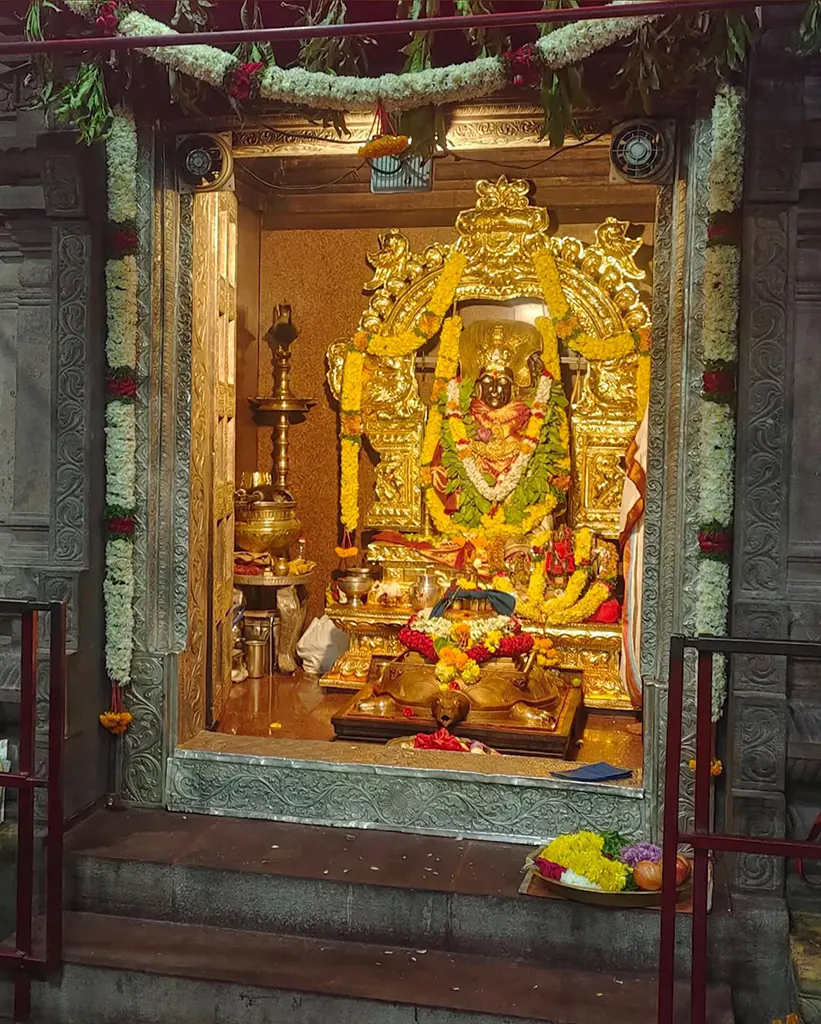
Why Alampur Jogulamba Temple Holds Immense Spiritual Importance
To understand why pilgrims travel across South India to reach Alampur, it helps to look at three overlapping spiritual traditions that meet in this single town.
1. One of the Eighteen Maha Shakti Peethas
In Shakta tradition—specifically the widely recited Ashta Dash Shakti Peetha Stotram attributed to Adi Shankaracharya—eighteen shrines across the Indian subcontinent are honored as the foremost seats of the Divine Mother. You can read more about what Shakti Peethas are and where Shakti Peethas are located to see how Alampur fits into this sacred network. The verse specifically remembers “Alampure Jogulamba” as the presiding Shakti of Alampur.
According to traditional Shakti Peetha lore, when Lord Shiva carried the body of Goddess Sati across the cosmos, sacred parts of her divine form fell at various locations, sanctifying the earth. In Alampur’s devotional tradition, Goddess Jogulamba is associated with the upper teeth (Urdhva Danta) of Sati, symbolizing fierce energy, sharp discernment, and the power to destroy negativity.
2. The Western Gateway to Srisailam
In traditional Telugu and Shaiva-Shakta pilgrimage geography, Srisailam—home to Sri Bhramaramba Mallikarjuna Swamy Temple—is encircled by four sacred directional gateways (Chaturdwaras):
- Eastern Gateway (Purva Dwaram): Tripurantakam
- Southern Gateway (Dakshina Dwaram): Siddhavatam
- Western Gateway (Pashchima Dwaram): Alampur
- Northern Gateway (Uttara Dwaram): Umamaheshwaram
For centuries, pilgrims walking or traveling from the west stopped at Alampur first to bathe in the Tungabhadra, offer prayers to Bala Brahmeshwara Swamy and Goddess Jogulamba, and seek safe passage before continuing toward Srisailam.
3. Harmony of Shakta and Shaiva Traditions
Alampur is not an isolated single shrine. Goddess Jogulamba stands alongside Lord Bala Brahmeshwara Swamy and the celebrated Navabrahma Temples (nine ancient Shiva temples). Together, they reflect a balanced Hindu worldview where Shiva (pure consciousness) and Shakti (active cosmic power) are worshipped side by side—a broader regional heritage that also resonates with other sacred shrines in Telangana such as Yadagirigutta Temple.
Documented History vs. Sacred Legends
A thoughtful temple guide separates historical and archaeological evidence from sacred legends and Sthala Purana accounts. Both are essential, yet each speaks in a different way.
Documented History and Heritage Context
Alampur sits in a fertile river basin that held strategic and cultural importance for early Deccan dynasties. Historians and heritage records from the Archaeological Survey of India associate Alampur’s surviving ancient temple complex primarily with the Badami Chalukyas (7th to 8th centuries CE), who ruled large parts of Karnataka, Telangana, and Andhra Pradesh—an era also visible at the Badami Cave Temples in Karnataka.
Key historical points recognized by heritage scholars include:
- Chalukyan Patronage: During the 7th and 8th centuries CE, Alampur flourished as a major center of temple building, sculpture, and Shaiva learning (including Kalamukha and Pashupata traditions).
- Medieval Turmoil and Destruction: Historical records and temple accounts note that the original medieval shrine of Goddess Jogulamba suffered severe destruction during late-14th-century invasions in the Deccan, after which sacred worship continued in protected or relocated forms within the broader temple complex for centuries.
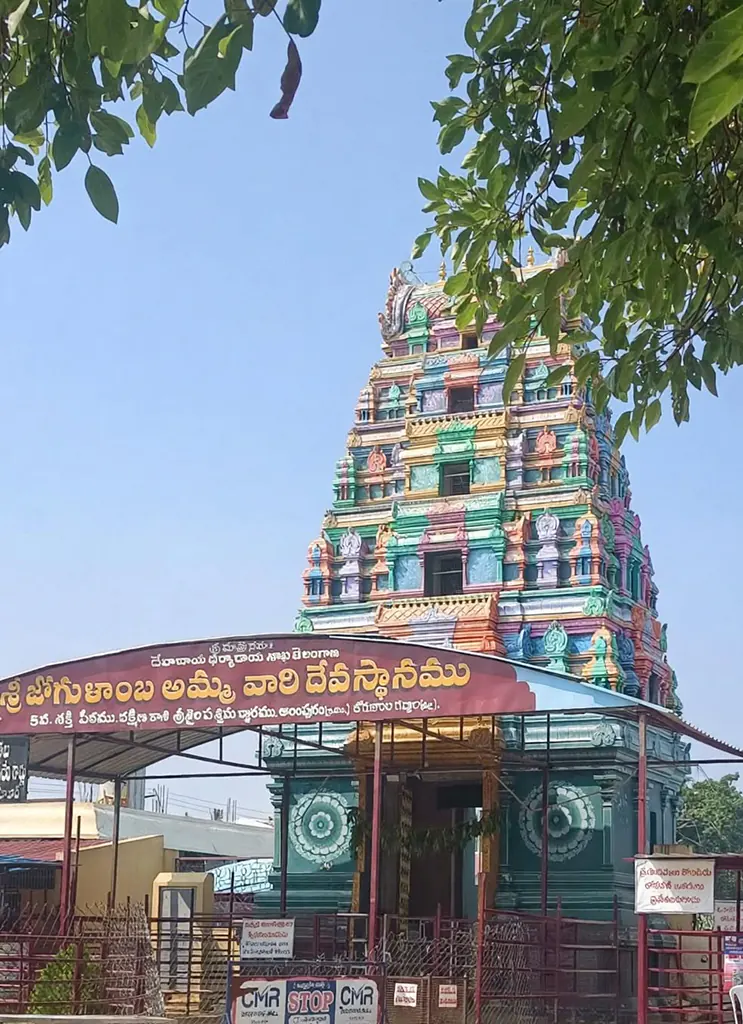
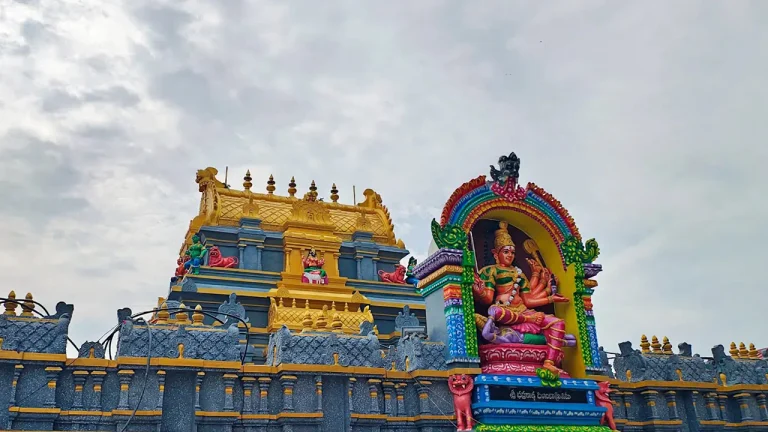
- Modern Reconstruction: In the early 21st century (around 2005), a grand new temple structure was consecrated for Goddess Jogulamba within the Alampur complex so that devotees could worship the restored deity in a dedicated, traditional sanctum.
- Srisailam Dam Relocation Effort: In the late 20th century, when the Srisailam hydroelectric project raised water levels along the Krishna-Tungabhadra basin, protective embankments and careful conservation measures were undertaken to safeguard Alampur’s irreplaceable heritage monuments.
Sacred Legends and Sthala Purana
Alongside documented history, local Sthala Purana accounts preserve devotional stories passed down through generations:
- The Meaning of “Jogulamba”: Devotees explain the name Jogulamba as deriving from Yogulamba or Yogi-Amba—the Mother of Yogis—reflecting her power to grant spiritual discipline and inner awakening to sincere seekers.
- The Story of Sage Jamadagni and Renuka: Some regional traditions connect the sanctity of Alampur and nearby riverbanks with ancient sages, penance (tapas), and the protective grace of the Mother Goddess.
- Guardian of the River Confluence: Local belief holds that Goddess Jogulamba acts as a fierce protector against evil spirits, planetary afflictions, and sudden misfortune, while quickly blessing devotees who approach her with humility.
Iconography and Symbolism of Goddess Jogulamba
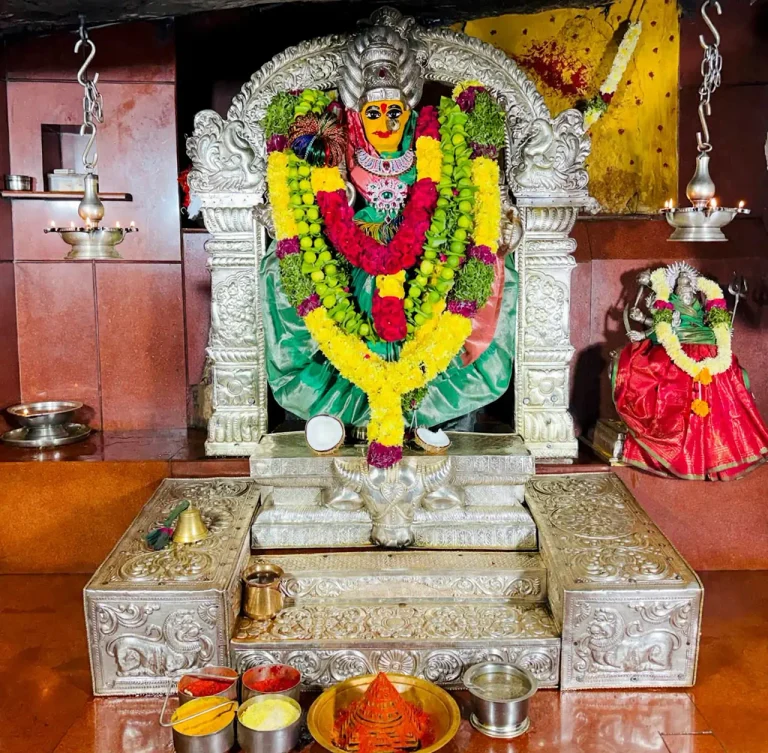
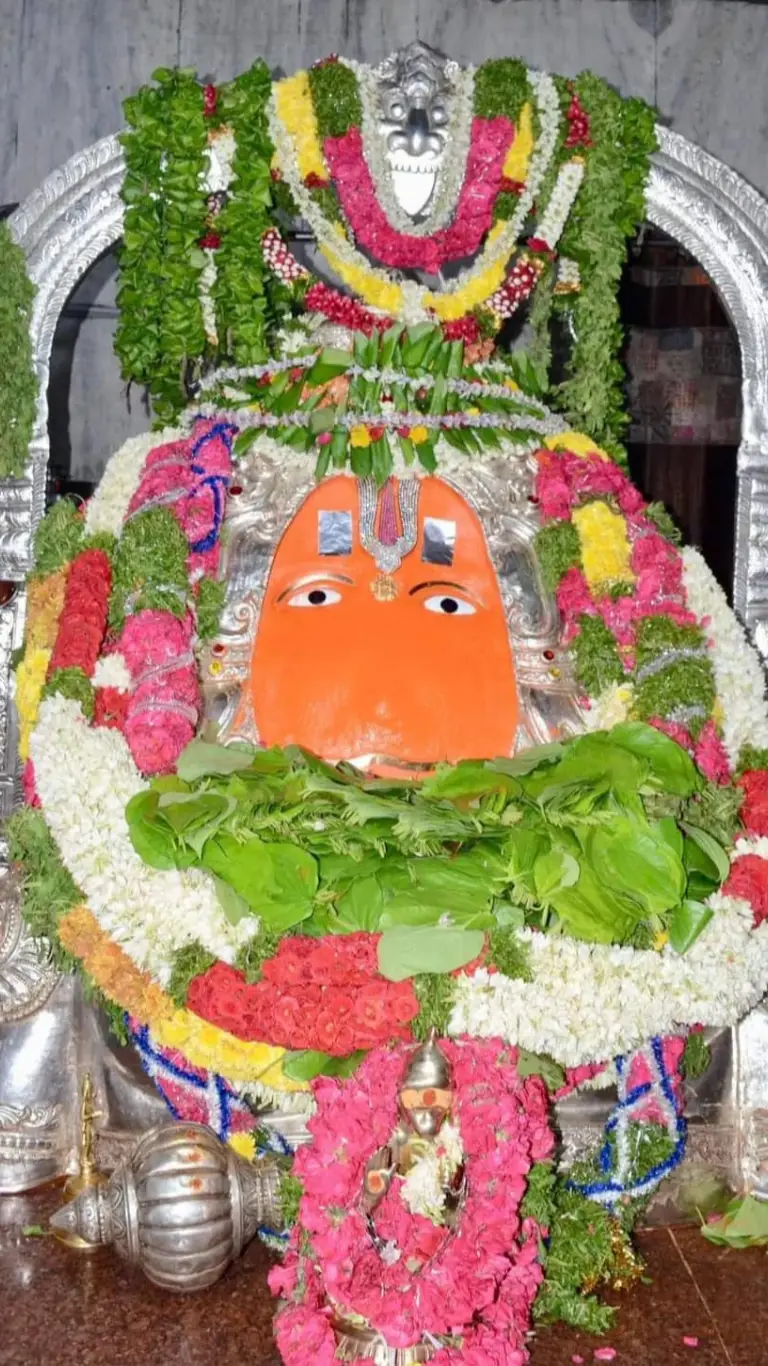
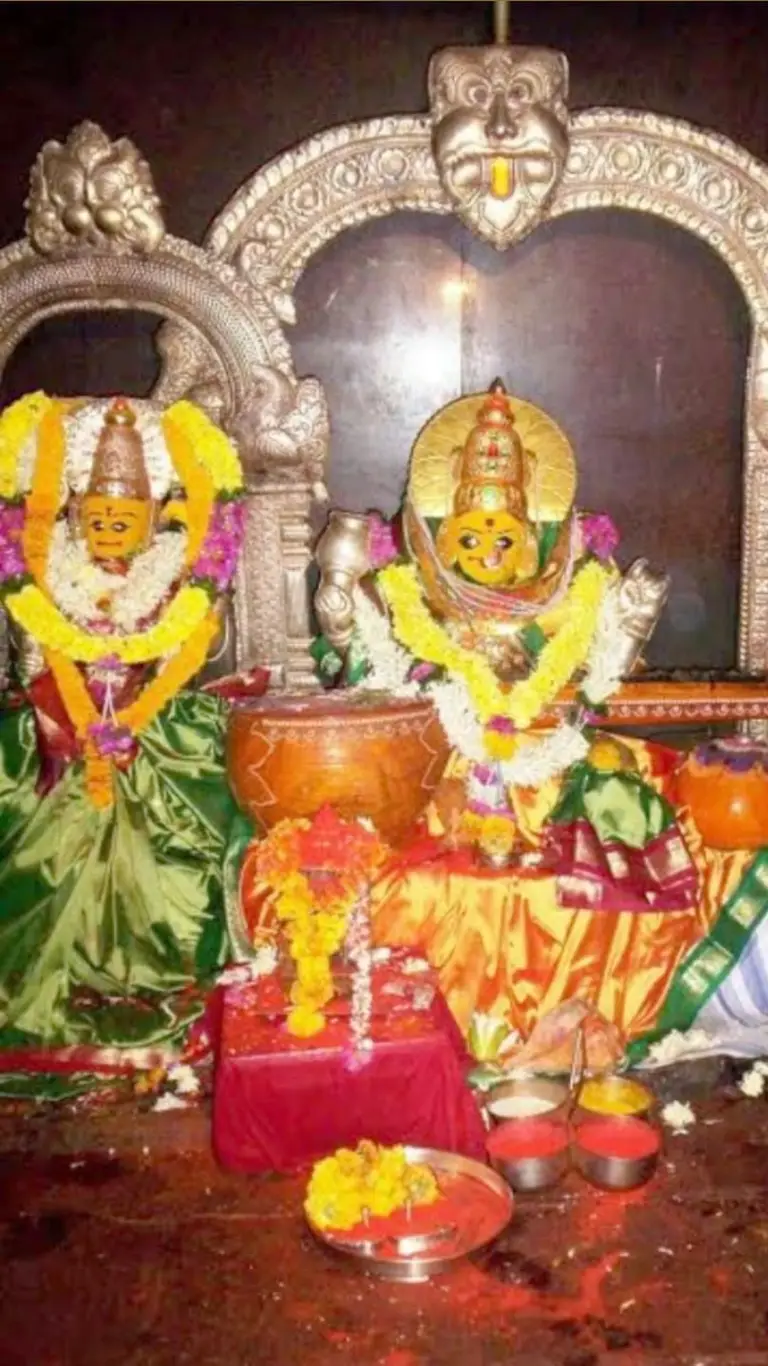
The sacred image (murti) of Goddess Jogulamba in the sanctum is distinct from the gentle, smiling forms of Lakshmi or Saraswati seen in many other temples. Understanding the symbols carved into her iconography turns a brief darshan into a deeply meaningful experience.
- Seated Posture: Goddess Jogulamba is depicted seated in a regal yet intense yogic posture (Asana), radiating alertness and authority.
- Four Arms: Her four hands hold traditional attributes associated with protection, cosmic rhythm, and victory over ignorance (such as a trident, skull-cup or vessel, drum, and sword/shield, depending on traditional iconographic descriptions).
- Crown and Ornaments: Her matted locks (Jata Makuta) are adorned with symbolic motifs—traditionally described in temple lore as including a lizard, scorpion, frog, and skull—which represent mastery over time, death, fear, and all creatures of the earth.
- Expression: Though classified as an Ugra (fierce) form of Shakti, devotees view her intensity not as anger toward her children, but as a mother’s fearless protection against everything that harms her devotees.
Devotional Perspective: In Hindu iconography, fierce symbols around a Shakti deity remind the worshipper that the Divine Mother governs both creation and dissolution, freeing the mind from fear of death and worldly anxiety.
Architectural Heritage of Alampur
Even if your primary purpose is darshan of Goddess Jogulamba, walking through the Alampur temple complex feels like stepping into an open-air museum of early Indian temple architecture.
The Jogulamba Temple Structure
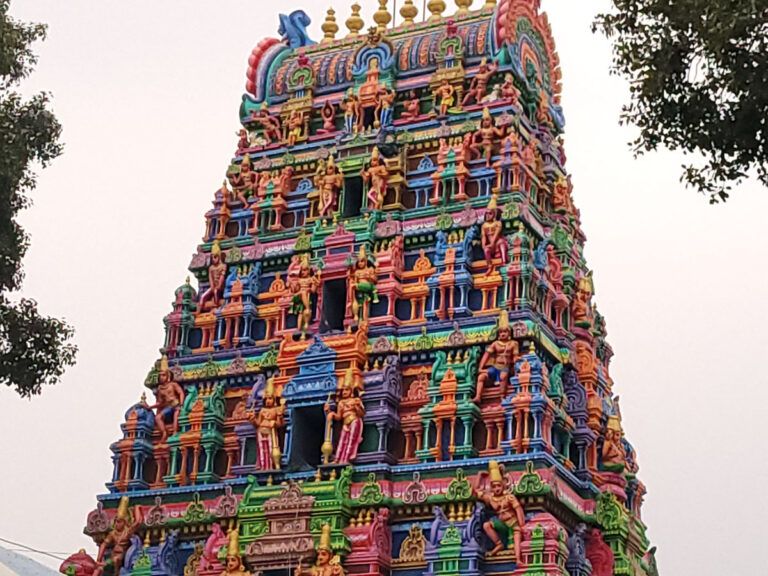
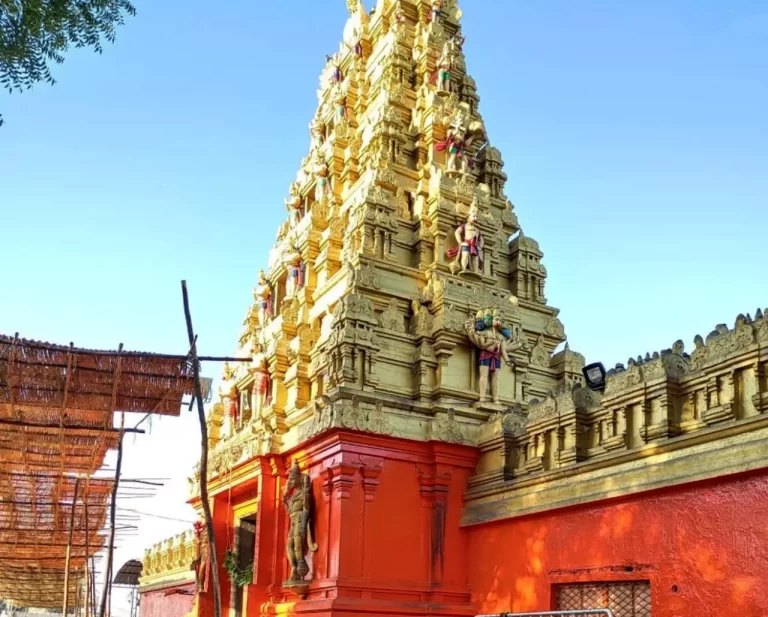
The reconstructed Jogulamba shrine follows traditional South Indian Agama principles, featuring a welcoming mukha mandapa (entrance hall), clear sightlines toward the garbhagriha (sanctum sanctorum), and carved pillars depicting forms of Devi, guardians, and auspicious motifs.
The Navabrahma Group of Temples
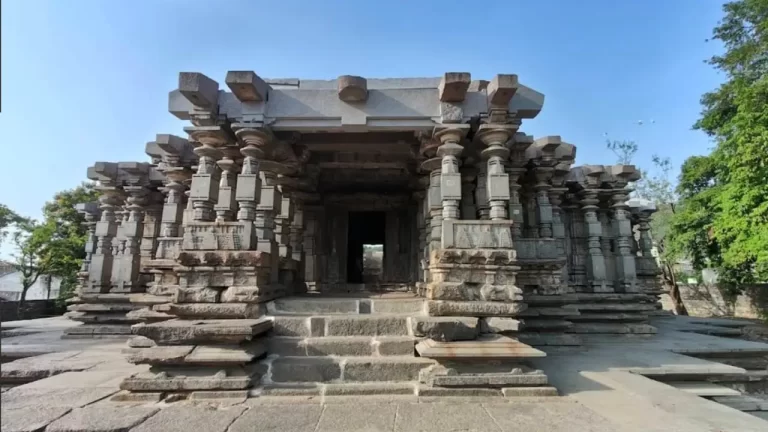
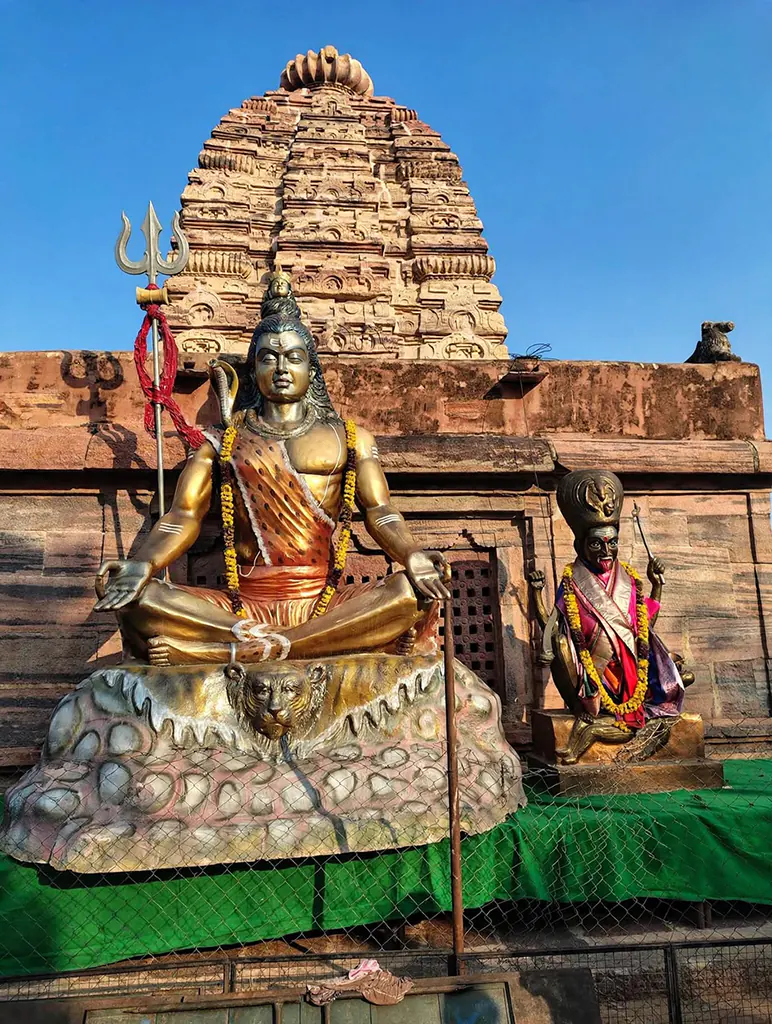
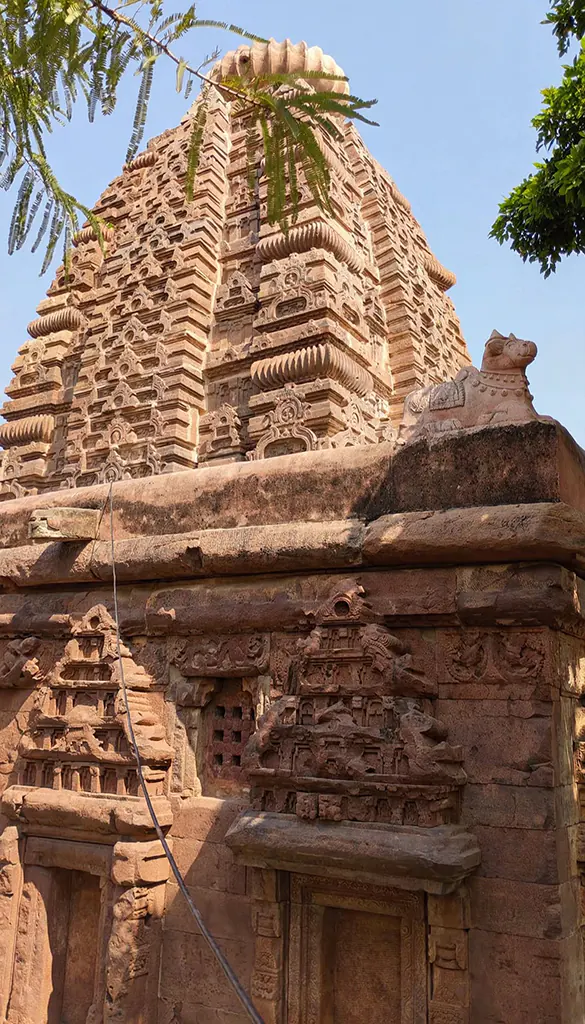
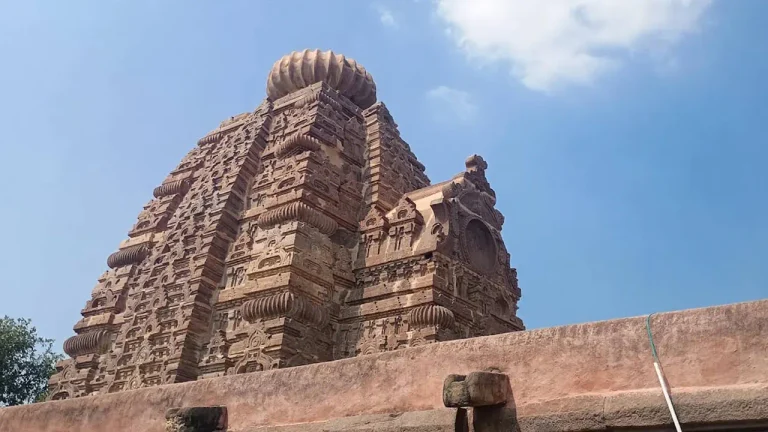
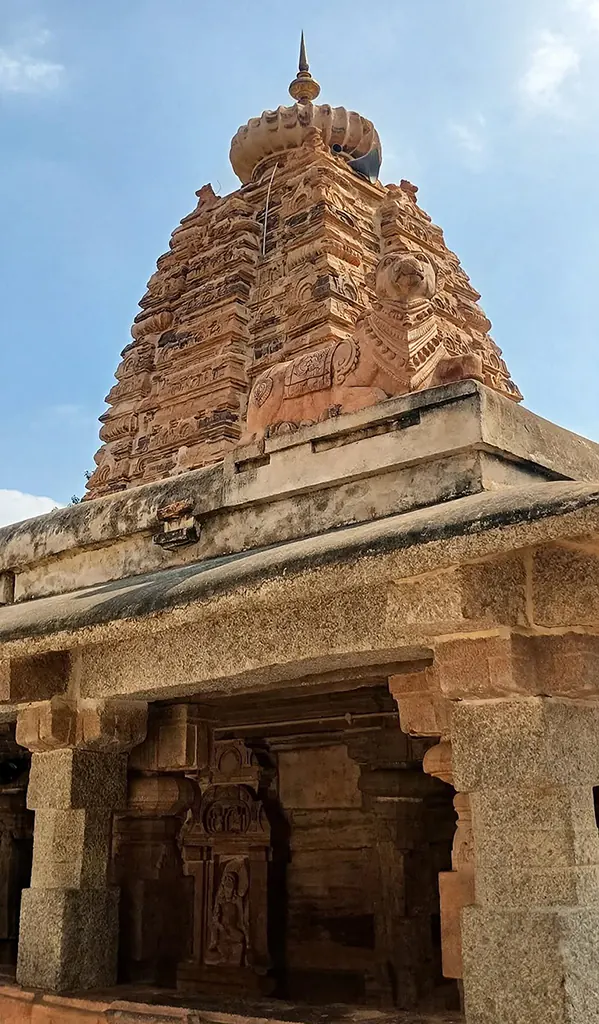
Immediately adjacent to the Jogulamba shrine stands the world-famous Navabrahma Temple Complex, a group of nine historic Shiva temples built predominantly in the Rekha-Nagara (northern curvilinear tower) style under the Badami Chalukyas—a fascinating rarity in South India, where Dravidian towers usually dominate.
The nine temples are traditionally named:
- Taraka Brahma Temple
- Swarga Brahma Temple (widely admired for its intricate exterior wall sculptures)
- Padma Brahma Temple
- Bala Brahma Temple (the principal active Shiva shrine of the complex)
- Garuda Brahma Temple
- Kumara Brahma Temple
- Arka Brahma Temple
- Vira Brahma Temple
- Vishwa Brahma Temple
Sangameshwara Temple and Museum
Visitors with extra time can also look for the Kudaveli Sangameshwara Temple (which was relocated stone by stone to Alampur during the Srisailam dam conservation project) and the ASI Site Museum at Alampur, which houses rare Chalukyan and Kakatiya sculptures, hero stones, and inscriptions.
Daily Worship, Rituals, and Temple Timings
Worship at Alampur Jogulamba Temple follows traditional Vedic and Shakta-Agama customs, organized around morning, afternoon, and evening temple hours.
Typical Daily Flow of Worship
- Morning Opening & Suprabhatam: The temple opens early in the morning with ritual awakening prayers, lamp lighting, and abhishekam (sacred bathing of the deity).
- Archana and Kumkumarchana: Throughout the morning and evening darshan windows, devotees offer Kumkumarchana (worship with sacred vermilion), coconuts, flowers, turmeric, and bangles—traditional offerings associated with Shakti worship. Many visitors also observe familiar temple customs such as ringing the temple bell before entering and performing pradakshina where permitted.
- Midday Alankaram and Naivedyam: Around midday, the deity is decorated (alankaram), sacred food offerings (naivedyam) are presented, and the sanctum typically closes for a few hours in the afternoon.
- Evening Deeparadhana and Darshan: The temple reopens in the late afternoon/evening for lamp worship (deeparadhana), chanting, and evening darshan before closing for the night.
Important Note on Checking Live Timings
Because exact opening times, midday break hours, and special seva ticket counters can change during festivals, solar/lunar eclipses (grahanam), or local administrative updates, verify current timings directly through official Telangana Endowments Department notices or the temple office before your visit. Arriving early in the morning (between 7:00 AM and 9:30 AM) generally offers the calmest darshan experience on regular weekdays.

Major Festivals and Auspicious Days
While Alampur welcomes pilgrims year-round, several days in the Hindu calendar bring extraordinary devotional energy and larger crowds:
1. Sharad Navaratri (Dasara)
Navaratri is the grandest annual celebration at Alampur Jogulamba Temple. Over nine nights and ten days, Goddess Jogulamba is adorned in a different sacred form (Alankaram) each day, accompanied by Chandi Homam, special Kumkumarchana, and cultural programs. Expect heavy pilgrim footfall and longer darshan queues during this period.
2. Maha Shivaratri and Brahmotsavams
Because Goddess Jogulamba and Lord Bala Brahmeshwara Swamy form a unified sacred complex, Maha Shivaratri—explored in detail in our guide on the significance of Maha Shivaratri—and the annual Brahmotsavams draw tens of thousands of devotees from Telangana, Andhra Pradesh, and Karnataka.
3. Auspicious Weekly and Lunar Days
- Fridays and Tuesdays: Traditionally dedicated to the Divine Mother; many local families visit for Kumkumarchana.
- Ashtami (8th lunar day) and Pournami (Full Moon): Considered especially sacred in Shakti worship for Chandi Homam and special prayers.
How to Reach Alampur Jogulamba Temple
Alampur is located on the southern edge of Telangana, very close to the Andhra Pradesh border across the Tungabhadra river, making it well connected by road and rail.
By Road
- From Kurnool (Andhra Pradesh): Alampur is just across the Tungabhadra river from Kurnool (roughly 25–30 km depending on the bridge route), making Kurnool the closest major urban gateway for buses, taxis, and auto-rickshaws.
- From Hyderabad (Telangana): Alampur lies south of Hyderabad along the NH-44 (Hyderabad–Bengaluru highway) corridor. Travelers drive south via Jadcherla, Kothakota, and Pebbair, then turn toward Alampur near the Tungabhadra crossing (typically a 3.5- to 4.5-hour road journey depending on traffic).
- From Gadwal: Regional TSRTC buses and local transport connect the district headquarters of Jogulamba Gadwal to Alampur.
By Train
- Kurnool City Railway Station (KRNT): The most convenient major railhead for most pilgrims, with frequent trains connecting Hyderabad, Secunderabad, Bengaluru, Tirupati, and Chennai. From Kurnool station, local buses, shared autos, or cabs reach Alampur easily.
- Alampur Road Railway Station (ALPR): A smaller nearby station on the same line; check train halt schedules before booking, as express trains often stop only at Kurnool City or Gadwal Junction.
By Air
- Rajiv Gandhi International Airport, Hyderabad (HYD): The nearest major international and domestic airport (roughly 200–220 km north via NH-44). Taxis and highway buses are readily available from Hyderabad toward Kurnool/Alampur.
(Tip: Always check live map routing and highway toll/bridge updates before starting, as local bridge approaches near the Tungabhadra can occasionally see traffic diversions.)
Best Time to Visit Alampur
Choosing the right season makes a noticeable difference because exploring both the Jogulamba shrine and the open-air Navabrahma stone courtyards involves walking outdoors.
| Season | Months | Weather & Crowd Experience |
| Winter / Pleasant Season (Best) | October to February | Daytime temperatures are mild and pleasant; ideal for unhurried darshan, photography in the outer complex, and walking down to the river ghats. |
| Festival Peak | September / October (Navaratri) & February / March (Shivaratri) | Vibrant spiritual atmosphere, special decorations, and homams, but expect dense crowds and higher accommodation demand. |
| Summer | March to June | Temperatures in southern Telangana regularly cross 38°C–42°C. If visiting in summer, plan darshan before 9:30 AM or after 5:00 PM and carry water. |
| Monsoon | July to September | Occasional showers bring greenery and fuller river views at the Tungabhadra, though stone courtyards can become slippery. |
Visitor Rules, Dress Code, and Practical Tips
A little preparation helps keep your pilgrimage smooth, respectful, and comfortable:
- Dress Code: Wear clean, modest, traditional clothing. Men commonly wear dhoti, kurta-pajama, or trousers with a shirt; women typically wear sarees, salwar kameez, or long skirts with a dupatta. Avoid shorts, sleeveless tops, or revealing outfits.
- Footwear: Remove shoes and sandals at the designated footwear stand outside the temple entrance before entering the courtyard.
- Photography and Mobile Phones: Photography is generally prohibited inside the main sanctum (garbhagriha). While visitors often photograph the outer historic stone structures of the Navabrahma complex, always follow posted signs and instructions from security staff.
- River Bathing Safety: If you plan to take a holy dip in the Tungabhadra river before darshan, stay strictly within marked safe ghat steps, keep children close, and avoid deep currents during monsoon releases.
- Accessibility for Elders: The temple complex sits on largely flat ground without steep hill climbs, making it much easier for senior citizens than hill shrines. However, stone walkways can heat up in the afternoon sun—bring thick socks if sensitive to warm stone floors.
Accommodation, Food, and Facilities
- Temple Cottages & Choultries: The temple administration (Devasthanam) and community choultries maintain basic guest rooms in Alampur for pilgrims. Availability fills quickly during Navaratri, Shivaratri, and long weekends.
- Stay Options in Kurnool: Because Kurnool is only a short drive across the river, many families stay in Kurnool—where a wide range of budget, mid-range, and family hotels as well as vegetarian restaurants are available—and visit Alampur for morning darshan.
- Food & Prasadam: Temple prasadam counters operate near the shrine during darshan hours. Simple South Indian vegetarian meals and tiffin centers are available in Alampur town, while broader dining choices are found in Kurnool.
- Basic Amenities: Drinking water points, footwear counters, and public restrooms are available near the temple complex perimeter.
Suggested One-Day Pilgrimage Itinerary
If you are visiting Alampur for a single day, this unhurried sequence works well for families and senior citizens:
- 6:30 AM – 7:30 AM: Arrive at Alampur early; visit the Tungabhadra river ghat if you wish to sprinkle holy water or perform morning prayers.
- 7:30 AM – 9:00 AM: Complete darshan and Kumkumarchana at Alampur Jogulamba Temple before midday queues build up.
- 9:00 AM – 10:15 AM: Walk across the complex to offer prayers at Bala Brahmeshwara Swamy Temple and explore the sculptures of the Navabrahma Temples (especially Swarga Brahma and Vishwa Brahma).
- 10:15 AM – 11:00 AM: Visit the Kudaveli Sangameshwara Temple and the ASI Site Museum (check museum opening day/hours locally, as ASI museums often close on Fridays).
- 11:30 AM Onward: Enjoy a traditional vegetarian lunch in Alampur or across the river in Kurnool, or continue onward toward Srisailam (roughly 180–200 km away via scenic ghat roads) if combining both Shakti Peethas in one pilgrimage.
Frequently Asked Questions About Alampur Jogulamba Temple
1. Why is Alampur Jogulamba Temple famous?
Alampur Jogulamba Temple is famous as one of the 18 Maha Shakti Peethas in Hindu tradition and as the western gateway (Pashchima Dwaram) to Srisailam. It is also renowned for its location next to the ancient Badami Chalukya Navabrahma temples near the Tungabhadra river.
2. Which body part of Goddess Sati is believed to have fallen at Alampur?
According to traditional Shakti Peetha lore, the upper teeth (Urdhva Danta) of Goddess Sati fell at Alampur, where she is worshipped as Goddess Jogulamba.
3. Is Alampur in Telangana or Andhra Pradesh?
Alampur is located in the Jogulamba Gadwal district of Telangana, right near the state border with Andhra Pradesh. The nearest large city across the Tungabhadra river is Kurnool in Andhra Pradesh.
4. Can we visit Alampur Jogulamba Temple and Srisailam on the same trip?
Yes. Many pilgrims visit Alampur first—honoring its traditional role as the western gateway to Srisailam—and then travel onward to Srisailam (home to Mallikarjuna Jyotirlinga and Bhramaramba Shakti Peetha), typically staying overnight in Srisailam due to the mountain ghat drive.
5. Is there a steep hill climb at Alampur Jogulamba Temple?
No. Unlike hill temples, Alampur Jogulamba Temple and the adjacent Navabrahma temple complex are situated on flat ground near the river, making darshan accessible for elderly pilgrims and families with young children.
6. What is the best time of day for darshan at Alampur?
Early morning (between 7:00 AM and 9:30 AM) is generally the most peaceful time for darshan, offering cooler weather, shorter queues, and pleasant light for viewing the historic stone architecture.
Conclusion
Alampur Jogulamba Temple brings together everything that makes a South Indian pilgrimage memorable: the fierce maternal grace of one of the 18 Maha Shakti Peethas, centuries-old Chalukyan temple artistry, and a serene setting beside the Tungabhadra river. Whether you come for a devoted Kumkumarchana, to trace the sacred route toward Srisailam, or to admire the Navabrahma shrines, planning an early morning visit during the cooler months will let you experience Alampur at its calmest and most inspiring.