Shree Swayambhu Ganpati Temple, Ganpatipule: Complete Darshan, History, and Travel Guide
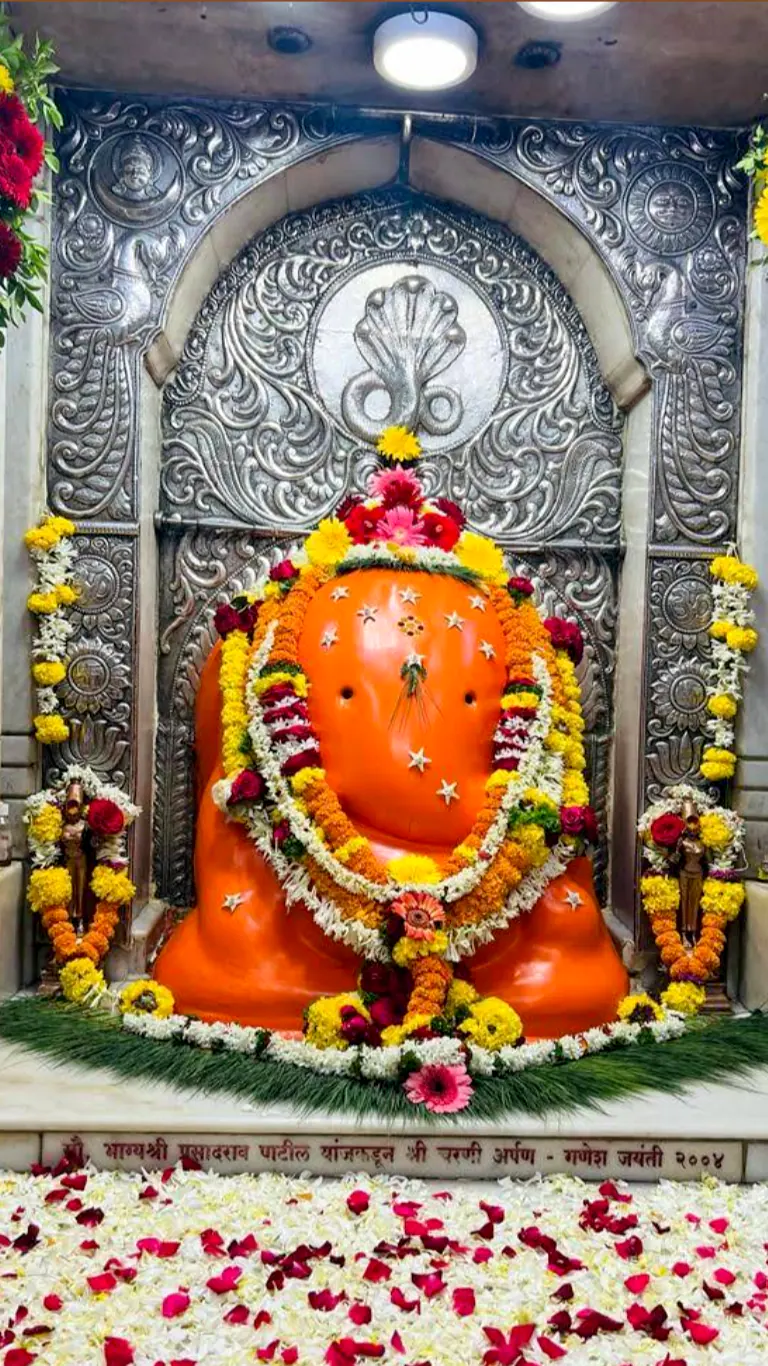
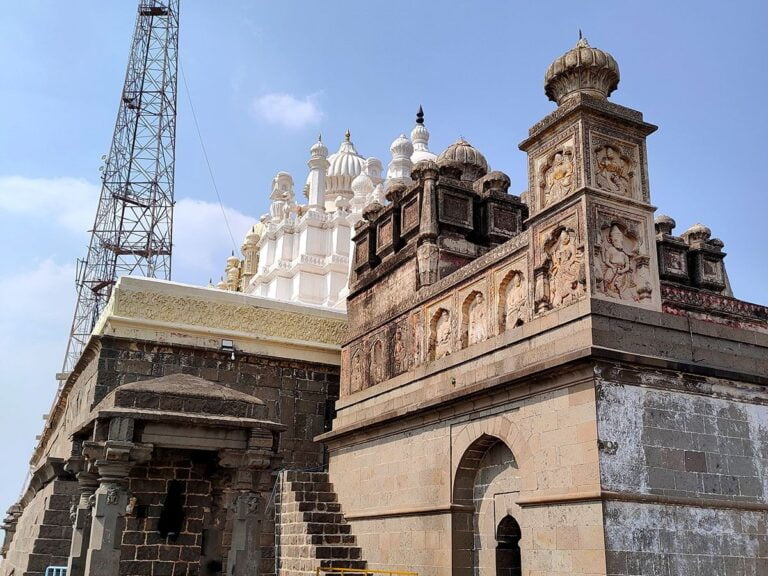
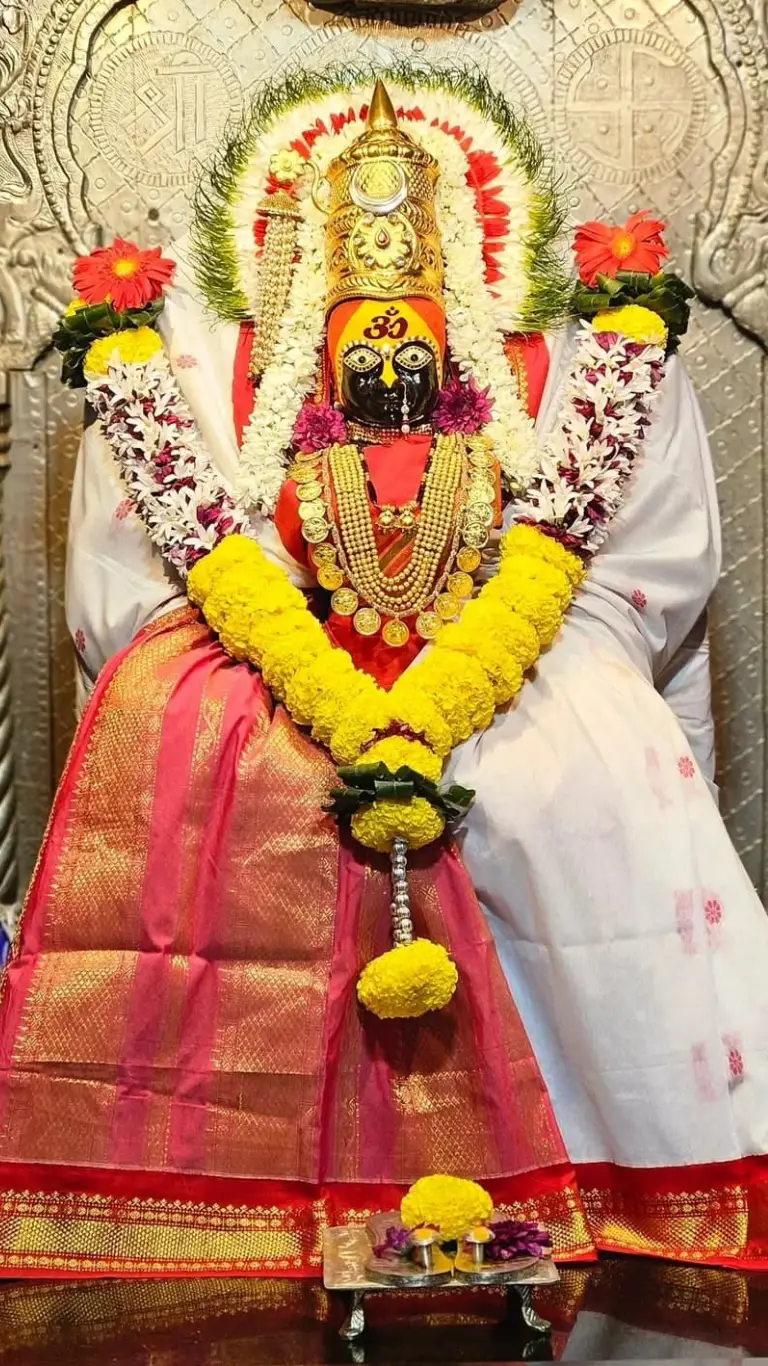
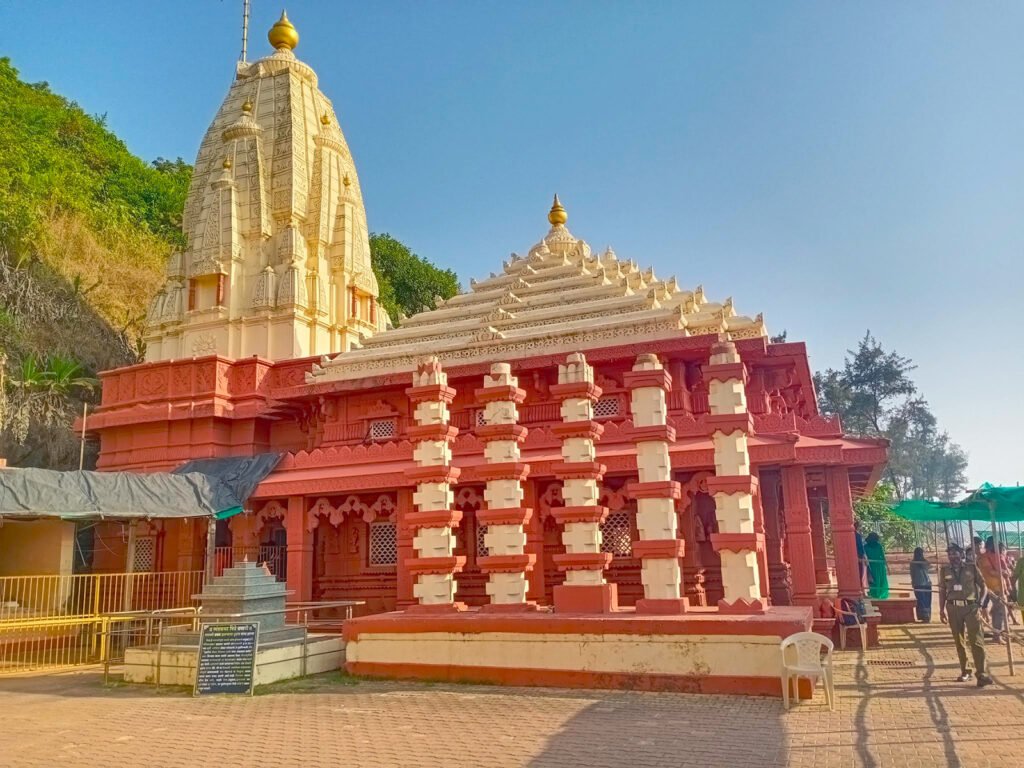
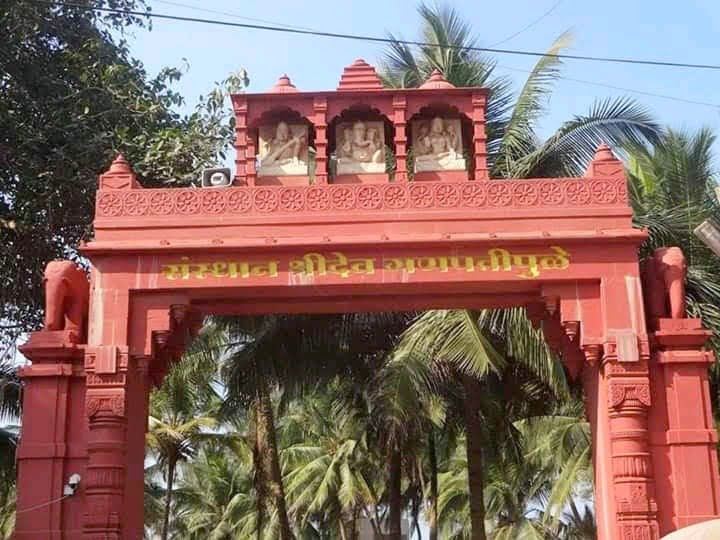
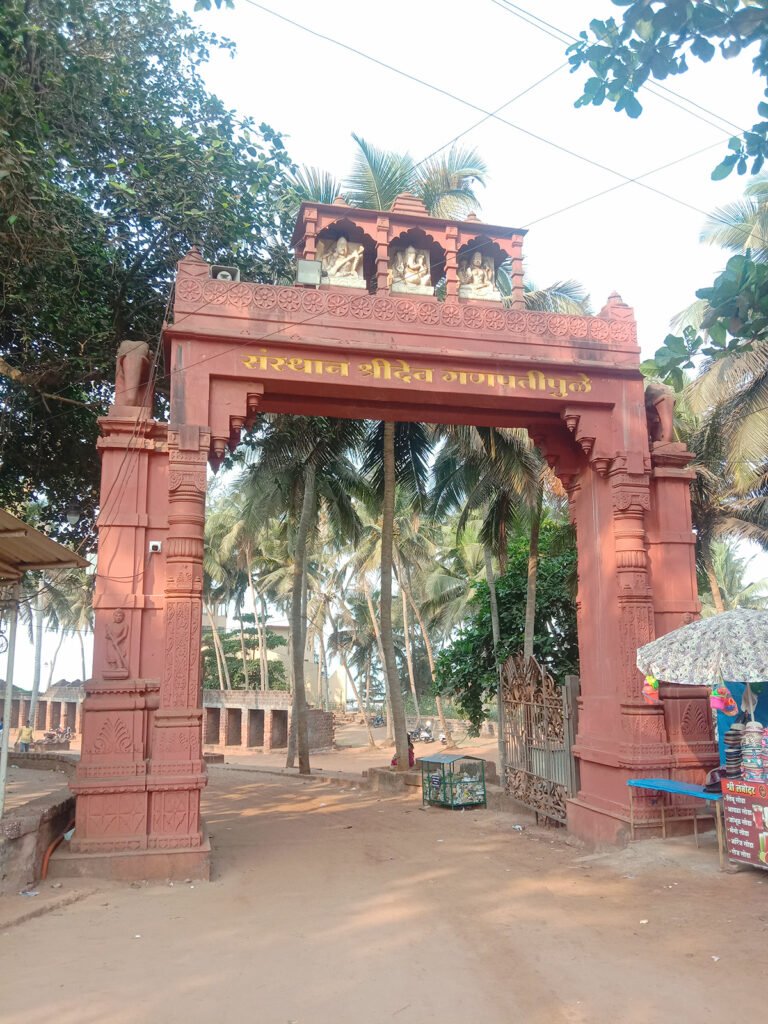
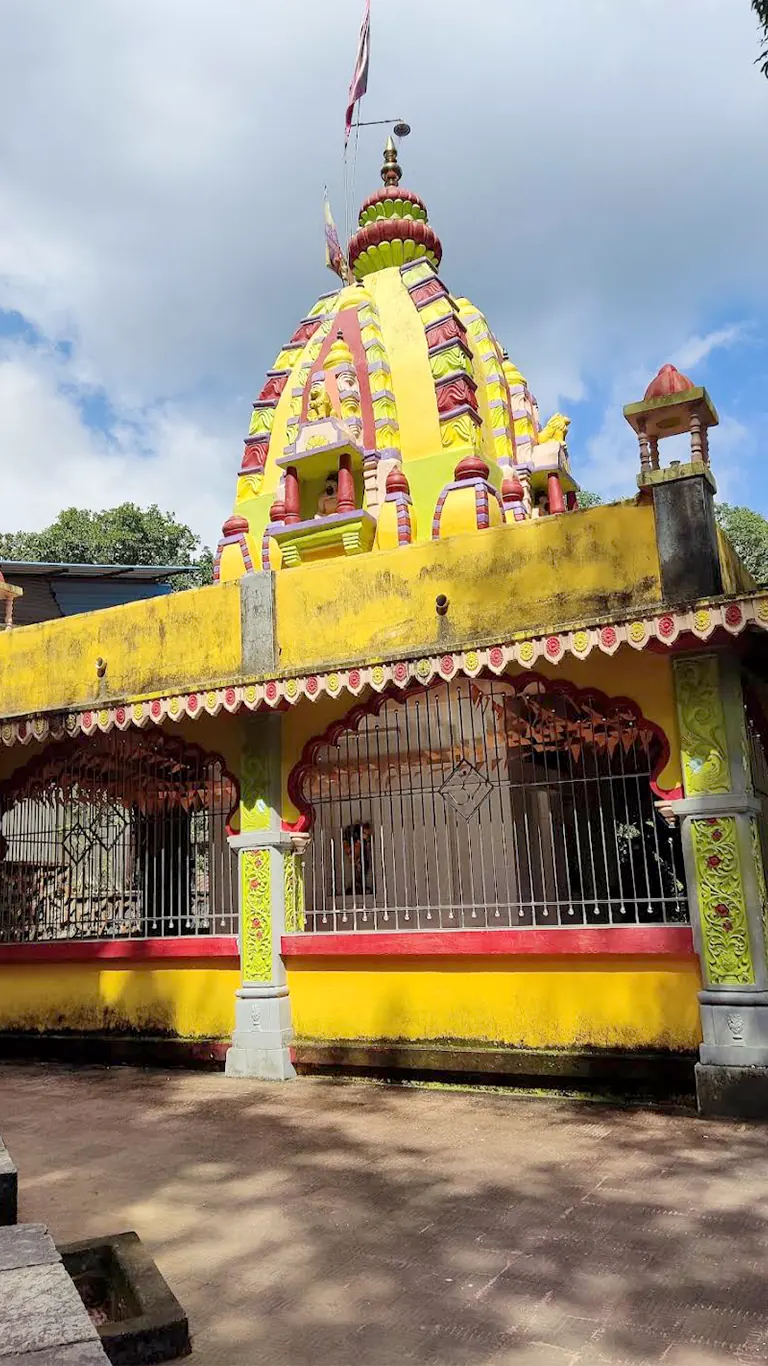
Shree Swayambhu Ganpati Temple in Ganpatipule is a 400-year-old seaside shrine located in the Ratnagiri district of Maharashtra, India. Unlike most Hindu temples where deities face the east, the self-manifested (Swayambhu) idol of Lord Ganesha here faces the west to guard the western shores of India. The temple sits directly on the white sand beaches of the Konkan coast at the base of a verdant hill shaped like Lord Ganesha himself.
Every year, thousands of pilgrims visit this sacred coastal shrine to seek blessings, complete the traditional 1-kilometer circumambulation (pradakshina) around the holy hill, and experience peaceful sea breezes right outside the temple gates.
Quick Information: Shree Dev Sansthan Ganpatipule
| Feature | Verified Details |
| Temple Name | Shree Swayambhu Ganpati Mandir (Ganpatipule Temple) |
| Main Deity | Lord Ganesha (Swayambhu / Self-manifested form) |
| Deity Orientation | West-facing (Paschim Dwardevata / Sentinel of the West) |
| Location | Ganpatipule, Ratnagiri District, Maharashtra, India |
| General Darshan Timings | 5:00 AM to 9:00 PM (Daily) |
| Morning Aarti | 5:30 AM to 6:00 AM |
| Madhyanha (Noon) Aarti | 12:00 PM to 12:30 PM |
| Evening / Shej Aarti | 7:00 PM to 7:30 PM (Shej Aarti at 8:30 PM) |
| Best Time to Visit | October to March (Pleasant weather; festive energy) |
| Major Festivals | Bhadrapad Ganesh Chaturthi, Maghi Ganeshotsav, Angarki Chaturthi |
| Nearest Railway Station | Ratnagiri Railway Station (RN) — Approx. 30 km |
| Nearest Airport | Chhatrapati Shivaji Maharaj Airport, Mumbai (BOM) or Dabolim / Mopa (GOA) |
| Hill Pradakshina Distance | Approximately 1 kilometer (Paved circular path around the hill) |
| Entry Fee | Free general darshan; nominal charges for specialized pujas |
| Dress Code | Modest traditional clothing recommended; footwear not permitted past the entry courtyard |
Read More>> Vidyashankara Temple Sringeri 12 Pillars Reveal Your Destiny
The Sacred Geography and Spiritual Significance
The sanctity of Ganpatipule stems from two distinct geographical and spiritual characteristics: its seaside positioning and its status as a Swayambhu (self-originated) shrine.
In traditional Hindu iconography, the majority of temple sanctums face East to welcome the morning sun. In Ganpatipule, the idol faces West. Because of this direction, the shrine holds the title of Paschim Dwardevata (the Western Guardian Deity of the subcontinent). Local lore and coastal traditions hold that Lord Ganesha directly protects the Konkan shorelines from marine hazards and negative forces.
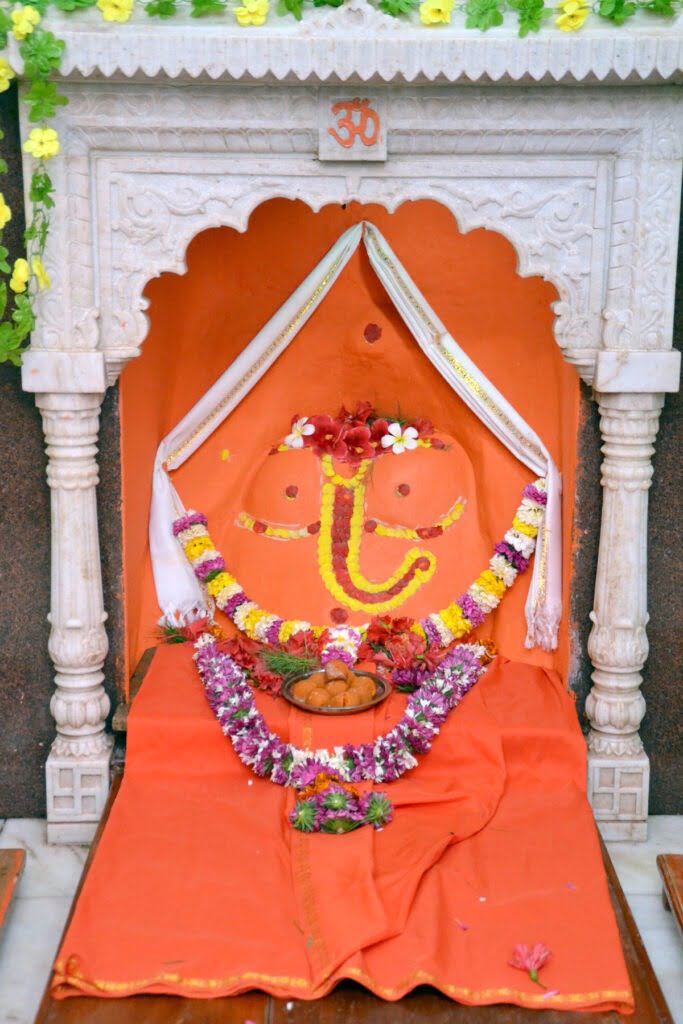
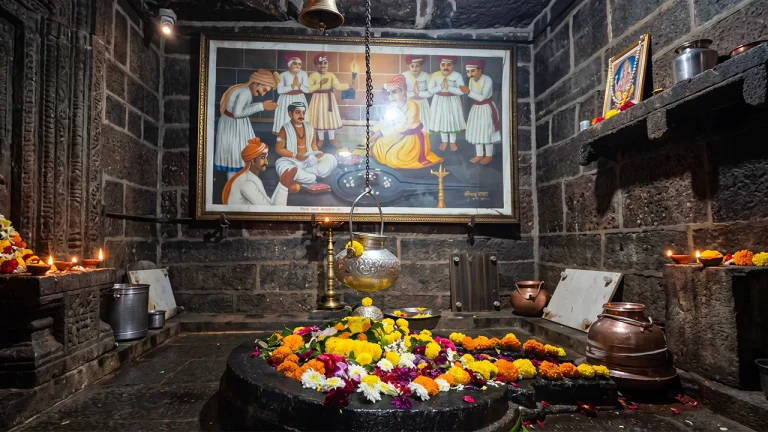
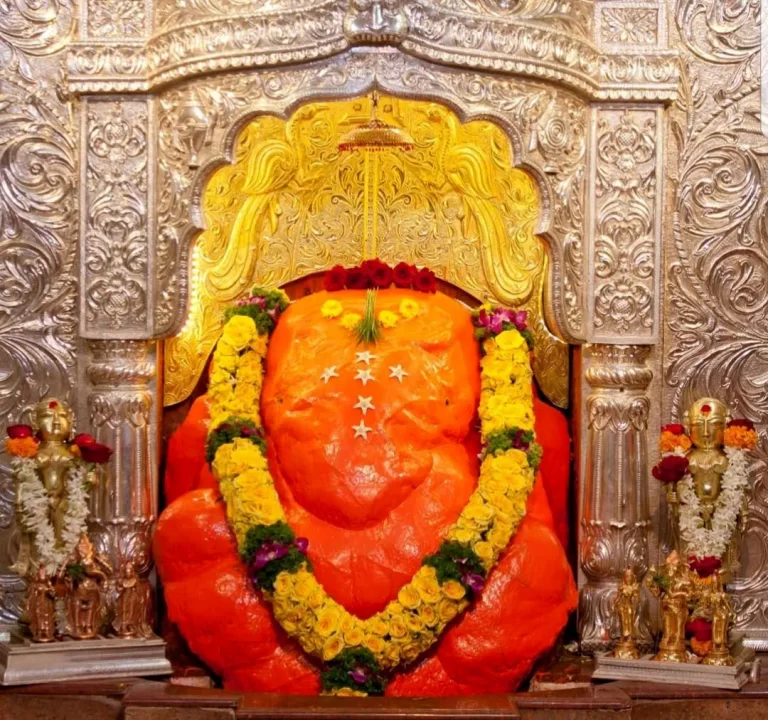
The idol is not sculpted from stone using chisels or human tools. It is a natural white copper-sandstone formation embedded into the side of the hill. Devotees believe that the hill behind the sanctum is not just an ordinary mound of earth, but the divine body of Lord Ganesha himself. Because of this belief, the customary act of circumambulation (pradakshina) is performed by walking around the entire hillock rather than simply walking around the inner sanctum.
The Legend and Origin of Ganpatipule
The history of Ganpatipule spans several centuries and blends local folklore with historical regional records from the Maratha Empire.
The Name “Ganpatipule”
The name of the town has a literal geographic meaning:
- Ganpati: Refers to Lord Ganesha.
- Pule: Originates from the local Marathi word for white sand dunes (pulan).
Together, Ganpatipule translates to “The Ganesha of the White Sand Dunes.”
The Discovery of the Idol
According to local sthala purana records dating back 400 years, a local cowherd noticed that one of his cows regularly released milk over a natural rock boulder buried among the hillside dunes. When the landowner cleared the brush and sand around the boulder, the natural form of Lord Ganesha with his curved trunk was revealed.
Shortly thereafter, a humble wooden temple was constructed. As word of miracles spread through the Konkan region, the shrine received royal patronage during the reign of the Peshwas. Historical records mention that Chimaji Appa, brother of Peshwa Baji Rao I, offered prayers here and renovated portions of the shrine after successful military campaigns on the western coastline.
Read More>> 3BCE Pathala Sembhu Murugan Temple: Underground Copper Pot
Understanding the Holy Hill Pradakshina (Circumambulation)
Walking around the hillock is the most important spiritual activity at Ganpatipule after taking sanctum darshan.
Circumambulating a sacred space is rooted in the ancient spiritual rules of temple Pradakshina, where the devotee places the divine at the center of their physical universe.
How to Undertake the Pradakshina:
- Starting Point: The pradakshina begins right beside the main temple sanctum at the base of the hill.
- The Path: The pathway is approximately 1 kilometer long, cleanly paved with stone pavers, and flanked by coastal flora on one side and the rising hillock on the other.
- Footwear Protocol: Traditionally, pilgrims complete the walk barefoot. However, during afternoon hours the stones can heat up significantly; early morning or sunset walks are strongly advised.
- Duration: A relaxed walking pace takes between 15 to 25 minutes.
- Spiritual Mindset: Pilgrims chant the Ganesha Moola Mantra (Om Gam Ganapataye Namaha) or the Ganpati Atharvashirsha while walking. As you round the western curve of the hill, you are treated to sweeping views of the Arabian Sea crashing against the shoreline.
Daily Temple Timings and Pooja Schedules
The temple opens early in the morning and remains accessible to devotees throughout the day without an afternoon closure of the main courtyard, though sanctum darshan may pause briefly during the preparation of the primary aarti.
Daily Schedule:
- 5:00 AM: Temple opens for morning prayers.
- 5:30 AM – 6:00 AM: Kakkad Aarti (Morning Aarti): Attended by early morning pilgrims; a very peaceful time for meditation.
- 12:00 PM – 12:30 PM: Madhyanha Aarti: The primary noon offering followed by the preparation for the afternoon prasaad distribution.
- 7:00 PM – 7:30 PM: Sandhya Aarti (Evening Aarti): The temple bells and rhythmic drum beats create a powerful spiritual atmosphere inside the marble hall.
- 8:30 PM: Shej Aarti: The final ceremonial song putting the deity to rest.
- 9:00 PM: Temple gates close for the night.
Note: On special lunar dates such as Angarki Sankashti Chaturthi, the temple remains open much earlier and stays accessible until late midnight to accommodate massive queues from across Maharashtra and Goa.
Read More>> Vedadri Narasimha Swamy Temple
Important Festivals and Celebrations
While Ganpatipule welcomes pilgrims year-round, specific seasonal festivals transform the seaside town into a hub of devotion.
Understanding the ritual timing and significance of Ganesh Chaturthi helps devotees plan their visits during periods of maximum spiritual resonance.
1. Bhadrapad Ganeshutsav (August–September)
During the bright half of the Hindu month of Bhadrapada, the temple celebrates a grand 7-to-10-day festival. The entire temple premises are decorated with fresh marigolds and illumination. Classical musicians, bhajan mandalis, and Vedic scholars congregate here. A silver palanquin procession (Palkhi) carrying the symbolic idol of the Lord moves through the town streets.
2. Maghi Ganeshotsav (January–February)
Celebrated during the month of Magha, this festival marks Ganesha Jayanti (the birth celebration of Lord Ganesha). The crowd density during Maghi Ganeshotsav is often higher than Bhadrapad, with thousands of families arriving to offer special modak naivedya.
3. Angarki Sankashti Chaturthi
When Sankashti Chaturthi falls on a Tuesday (Angaraka), the day is considered extraordinarily auspicious. Devotees observe strict fasts until the moon rises and visit the temple to break their fast with Mahaprasad. Queue times on Angarki can stretch from 3 to 6 hours.
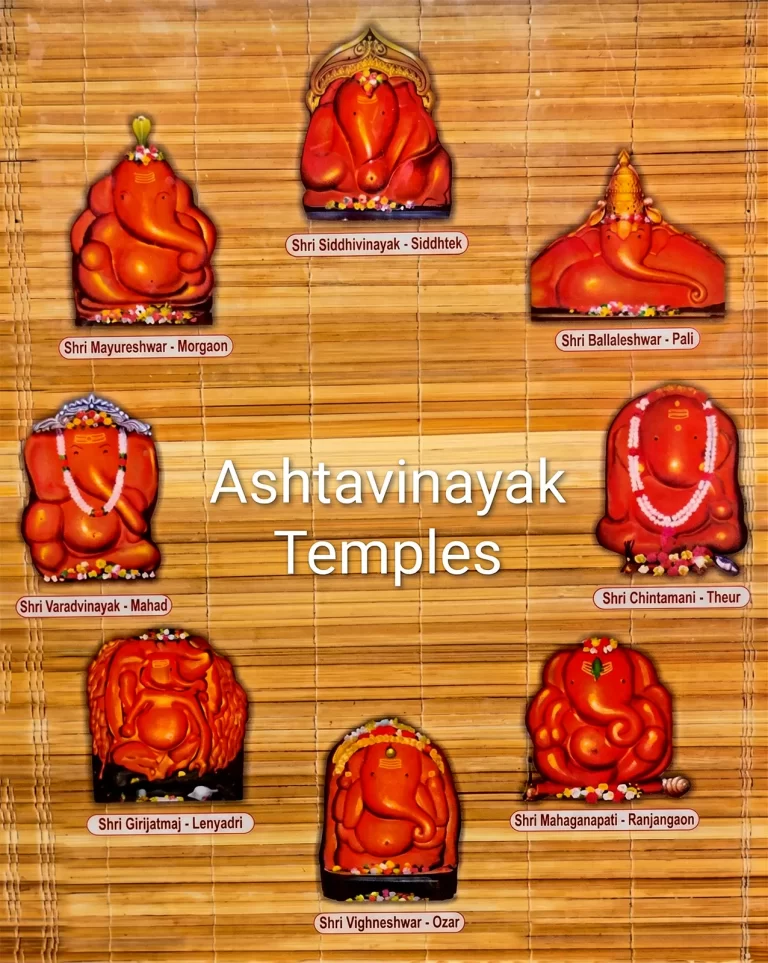
Many devotees combine this coastal visit with the broader Ashtavinayak pilgrimage in Maharashtra, making Ganpatipule the culminating point of their state-wide spiritual circuit.
How to Reach Ganpatipule: Comprehensive Travel Logistics
Ganpatipule is well-connected by road and rail networks across western India.
1. By Train (The Most Convenient Mode)
The primary railway station serving Ganpatipule is Ratnagiri (Station Code: RN), located on the scenic Konkan Railway route.
- Ratnagiri is directly linked by express trains (including the Mandovi Express, Konkan Kanya Express, and Vande Bharat Express) from Mumbai, Pune, Thane, Sawantwadi, and Madgaon (Goa).
- Outside Ratnagiri Railway Station, regular state-run MSRTC buses depart for Ganpatipule every 30 to 45 minutes from the Ratnagiri Central Bus Stand.
- Pre-paid and private taxis, as well as three-seater auto-rickshaws, are readily available outside the platform exit (travel time is roughly 45 to 60 minutes).
2. By Road (Scenic Coastal Drives)
- From Mumbai (Approx. 340 km): Travel via the Mumbai-Goa Highway (NH 66). Pass through Panvel, Mahad, and Chiplun, turning off toward the coastal route via Nivali.
- From Pune (Approx. 325 km): Travel via Satara, Karad, and descend through the picturesque Amba Ghat to reach Ratnagiri and onward to Ganpatipule. The mountain pass offers dramatic valley views during the post-monsoon months.
- From Kolhapur (Approx. 150 km): Kolhapur serves as an easy jumping-off point for visitors coming from Karnataka or Southern Maharashtra via the Shivaji University – Amba Ghat route.
3. By Air
The nearest commercial international airports are in Mumbai and Goa (Mopa / Dabolim). The domestic airstrip at Ratnagiri is not currently operating consistent commercial passenger flights, so arriving by rail or road from Mumbai, Pune, or Goa remains the standard route.
Read More>> 11th CE Lempuyang Temple: Bali’s Magical Gate to Heaven!
Food, Temple Prasadam, and Dining Traditions
Visiting Ganpatipule offers an authentic taste of traditional Konkani cuisine.
- Temple Bhojan Prasaad: Shree Dev Sansthan Ganpatipule runs a massive dining hall (Bhojan Kaksha) providing sanctified lunch to devotees daily, typically between 12:30 PM and 2:30 PM. The meal is simple, hygienic, and served free or at a nominal voluntary donation. It usually includes fresh rice, traditional Konkani Varan (mildly sweetened lentil curry), vegetable bhaji, and a sweet prasaad.
- Ukadiche Modak: You should not leave Ganpatipule without tasting authentic steamed rice-flour dumplings stuffed with fresh grated coconut and jaggery (Ukadiche Modak), flavored with fragrant green cardamom and nutmeg. Local eateries adjacent to the temple serve these fresh throughout the morning.
- Seasonal Specialties: Depending on your month of travel, look out for fresh Alphonso mangoes (Hapus) from March to May, along with refreshing glasses of Kokum Sharbat and Solkadhi.
Read More>> Garbarakshambigai Temple: Secret of Fertility & Safe Birth
Accommodation Options: Where to Stay
Because Ganpatipule is both a pilgrimage town and a seaside getaway, accommodations cater to all budgets:
- MTDC Resort Ganpatipule: Operated by the state tourism authority, this is the most sought-after property in town. It sits immediately adjacent to the beach, offering direct sea-facing cottages and walking access to the temple gates in less than 3 minutes. Booking several weeks in advance via the official tourism portal is recommended.
- Temple Sansthan Bhaktaniwas: The temple trust operates modest, clean pilgrim rest houses offering rooms and dormitories at subsidized rates for visiting devotees.
- Private Hotels and Coastal Homestays: The road leading into the temple town features dozens of family-run guest houses, heritage Konkani homestays, and modern beach resorts equipped with swimming pools and coastal dining.
Read More>> Divine Aswaklanta Temple Where Lord Krishna & Arjuna Rested!

Practical Rules and Visitor Etiquette for Devotees
To ensure a smooth, respectful visit, keep the following rules in mind:
- Footwear Management: Shoes, sandals, and leather footwear are strictly prohibited inside the temple premises. A dedicated, manned footwear counter is situated on the paved promenade outside the entrance.
- Beach Safety: The Arabian Sea waters at Ganpatipule beach have sudden sand drops and strong undertow currents. Pilgrims often take a quick ritual foot dip in the water before entering the temple, but recreational swimming deep into the waves is hazardous and discouraged by local lifeguards.
- Photography Rules: Photography, videography, and mobile phone usage are strictly prohibited inside the inner sanctum sanctorum. You may photograph the outer temple architecture, courtyards, and beach surroundings respectfully.
- Luggage and Cloakrooms: The temple administration provides locker facilities near the administrative building where visitors can safely store backpacks and electronic devices before joining the darshan line.
Read More>> Siddhivinayak Temple Mumbai: Why Bollywood Celebrities Swear
Frequently Asked Questions About Ganpatipule Temple
What is unique about the Ganpatipule temple idol?
The Ganesha idol is a naturally formed copper-sandstone boulder (Swayambhu) that emerged from the earth naturally without human carving. Additionally, the deity faces West (Paschim), making it one of the rare guardian deities (Paschim Dwardevata) protecting the western coastline of India.
Is there any dress code for darshan at Ganpatipule?
While there is no formal uniform requirement, visitors are expected to wear modest, culturally respectful clothing. Dhoti-kurta, pyjama-kurta, sarees, and salwar kameez are standard. Beachwear, sleeveless tops, and short skirts or shorts are not permitted inside the sanctum hall.
How much time does it take for general darshan?
On normal weekdays, regular darshan takes approximately 20 to 45 minutes. On weekends, national holidays, and monthly Sankashti Chaturthi dates, queues can take anywhere between 1.5 to 4 hours.
Can elderly pilgrims complete the hill pradakshina?
Yes. The 1-kilometer circumambulation path is entirely flat, paved with concrete pavers, and has no steep steps. However, because it is open to the sun, seniors should undertake the walk either early in the morning before 8:00 AM or after sunset when the stones have cooled down.
Is car parking available near the temple?
Yes. The local municipal council and temple administration operate spacious, pay-and-park facilities roughly 300 to 500 meters from the temple entrance. During major festive periods, vehicles may be directed to satellite parking grounds on the outskirts of the village.