Tungareshwar Temple: Timings, History & Trek
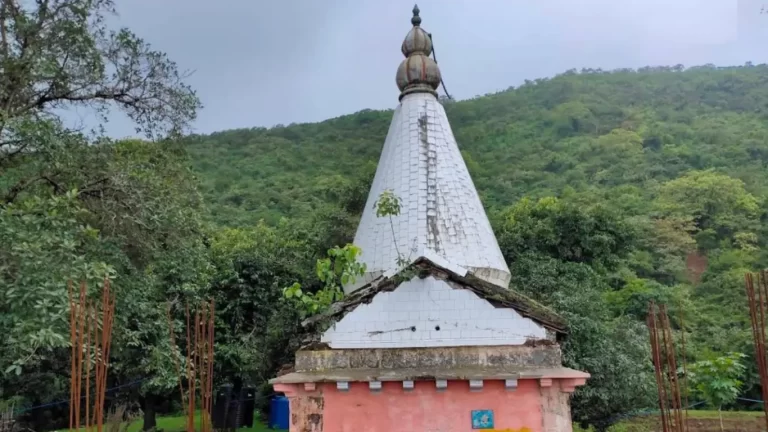
The Tungareshwar Temple is situated on a highly elevated plateau covered with forests in the Vasai East, Palghar District of Maharashtra state (around 2,177 feet above sea level). The temple is situated within the premises of the Tungareshwar Wildlife Sanctuary itself.
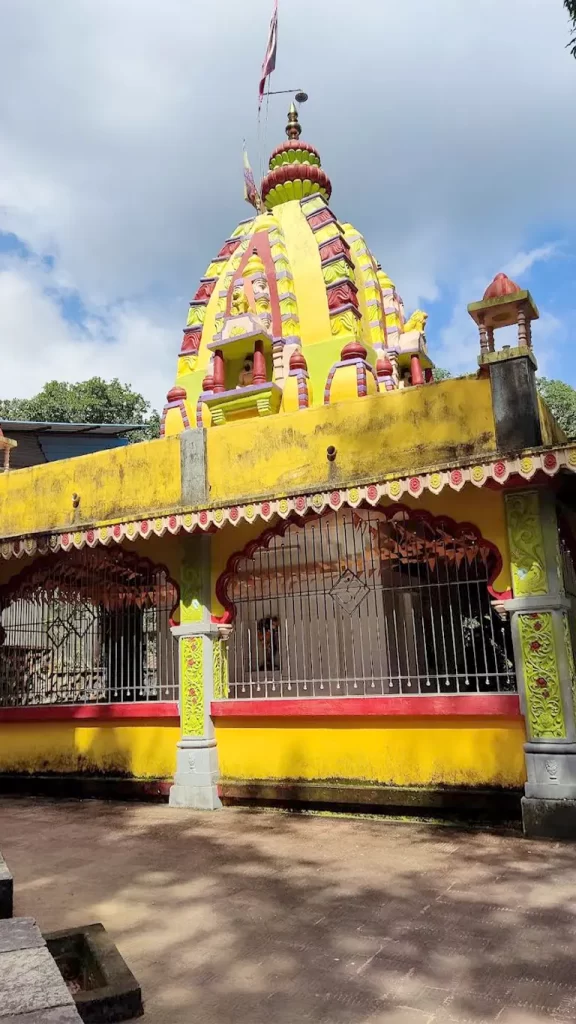
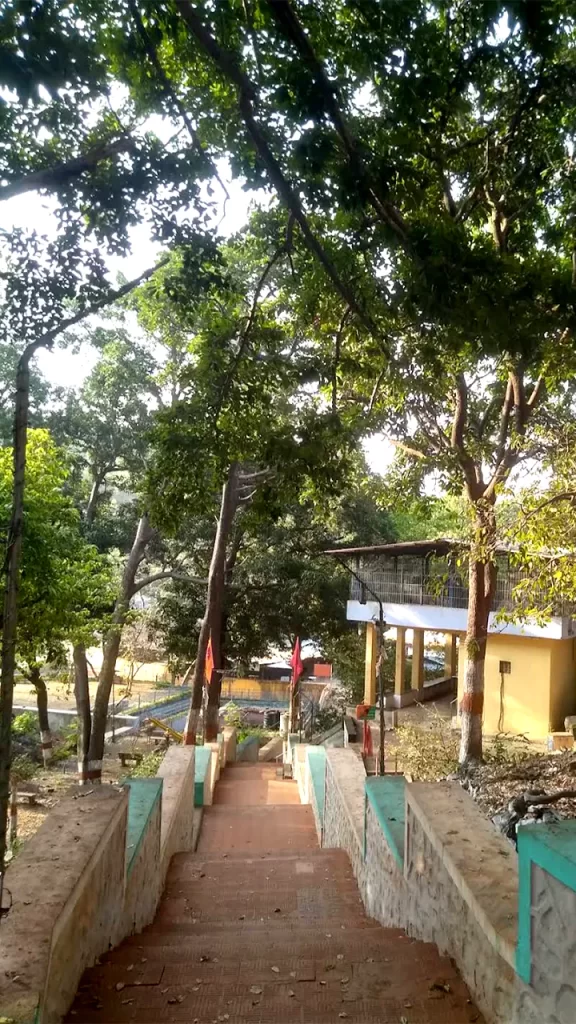
While driving through the busy Mumbai-Ahmedabad road and getting off it to enter the forest trail to reach the Tungareshwar Temple, there is an immediate change in the environment around you. The smell of smog and city gets replaced by earthy aroma of soil, wild teak leaves, and fresh mountain air along with the ringing of temple bells.
The Sacred Hilltop of Lord Shiva
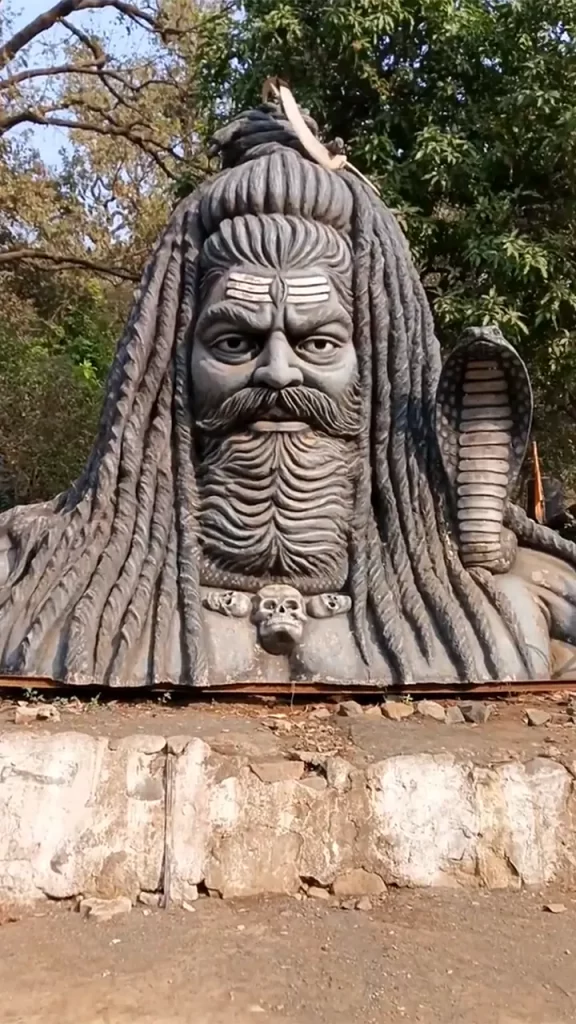
Tungareshwar Temple is one of the most sacred ancient Hindu temples located in the Konkan region of Western Maharashtra. The temple is known for its worship of Lord Shiva, who is revered here under the name of Tungareshwar Mahadev.
Unique Features and Spiritual Significance
- Forest Temple: In contrast to other temples surrounded by concrete structures, one needs to take a 3.5 km walk through the protected forest area to reach Tungareshwar Temple.
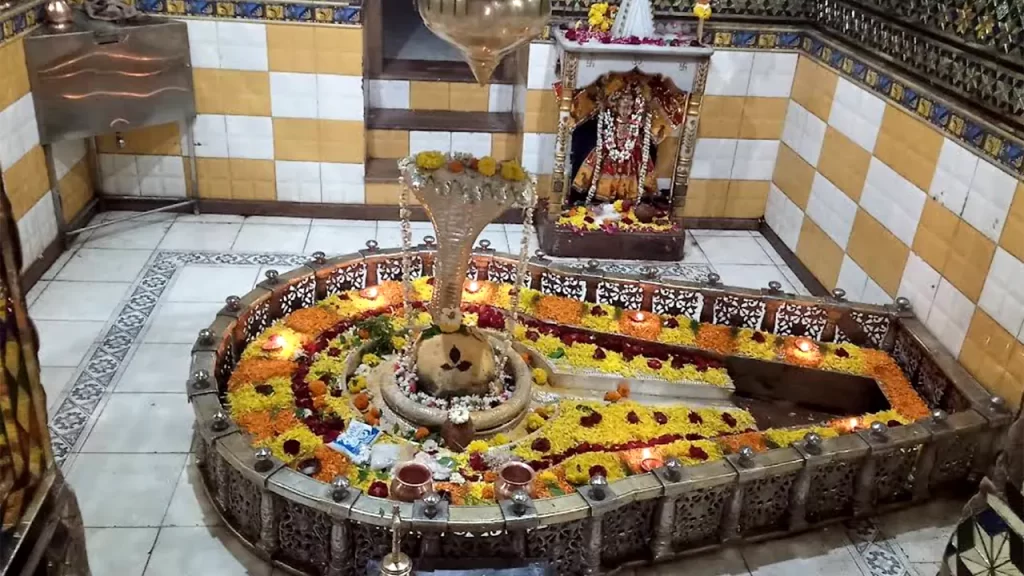
- Continuous Jaladhara (Water Drip): Natural water drips continuously into the ancient Shiva Lingam from an ornamental brass vessel inside the sanctum.
- Wildlife Habitat: Tungareshwar Temple serves as a place of spiritual significance located in the middle of a wildlife sanctuary which houses leopards, barking deer, Oriental hornbill, and more than 150 bird species.
Target Audience and Tourists
- Pilgrims and Followers: Groups looking for blessings, inner peace, and a solution to all their worldly problems.
- Nature Lovers and Trekkers: Weekend trekkers who enjoy walking through the forest at sunrise, seeing waterfalls in the monsoons, and breathing mountain air.
- Historians and Culture Lovers: Adventurers exploring the old paths trodden by Sage Parashurama and the Pandavas.
Tungareshwar Temple History and Sacred Legends
In order to get an insight into the tremendous spiritual significance attached to Tungareshwar Temple, it is essential to view it from two perspectives – first, the ancient lore in Hindu religious texts and second, the documented commercial and dynastic history of the Konkan coast.
Legend of Sage Parashurama & Demon Tungar
It is interesting to note that the foremost legend behind the foundation of Tungareshwar Temple is connected with Parashurama (Lord Vishnu’s sixth incarnation).
As per the local Sthala Puranas:
- Problem of Asura Tungar: There was a time when the thick forests around these hills had been inhabited by rishis, hermits and tribes. The demon Tungarasura (also called as Tungar) made these hills his home and would constantly disturb the Vedas being sacrificed (yajnas) by disturbing the meditating rishis and terrorizing the inhabitants of the valley.
- Divine Interventions: It is said that worried by all the atrocities performed by the demon, the hermits went to Lord Parashurama for help as he is the slayer of tyrants.
- The Duel and the Redemption: An intense fight took place in the rugged area. Using the divine axe (Parashu), Parashurama defeated the demon. In the dying moments of Tungarasura, there came the spiritual epiphany in him. Tungarasura surrendered himself, repented his evil actions, and asked for redemption from the divine warrior.
- The Blessing of Immortality through Name: Lord Parashurama was touched by the devotion shown by the demon in his last moments of life. Bestowing Moksha (freedom from rebirth) to the demon, Parashurama made an idol of Shiva Linga right in the battlefield. He announced that Lord Shiva will be present here forever and carry the name of the demon as Tungareshwar (“Lord of the Tunga Hills”) henceforth so that whoever visits this place with pure devotion will get rid of all negative karma attached to him.

Scriptural References: The Antiquity of Shurparaka (Vasai/Sopara)
The Tungareshwar Temple is not alone in any way; it exists within the divine geography which was mentioned in the classical Indian literature as Shurparaka (present day Sopara and Vasai).
Mahabharat References
It is mentioned in Mahabharat (Vana Parva and Shanti Parva) that Shurparaka was the best Tirtha Kshetra brought back to life by the arrow of Sage Parashurama from the western ocean.
According to the Mahabharata, during the twelve years of exile of the Pandavas along with Kunti and royal priest Dhaumya, they traveled through the Western Ghats and camped in the forest of Shurparaka to perform penance and purification ritual baths.
शूर्पारके विस्तीर्णे पाण्डवाः सत्यविक्रमाः।
तीर्थानि पुण्यान्यासेदुर्वनानि च सरांसि च॥
(Mahabharata, Vana Parva, Chapter 118)
“The truth-valiant Pandavas arrived in the expansive realm of Shurparaka, visiting its sacred tirthas, blessed forest groves, and holy water bodies.”
Local oral traditions state that the Pandavas camped near the mountain streams of Tungareshwar and constructed the earliest stone sanctum and water tanks (such as Ram Kund) to offer daily morning prayers to Lord Shiva.
Uncover the secret: Discover…Marleshwar Temple: Mystery, Cobras, Waterfall & Cave Shrine
Mentions in the Skanda Purana
The Skanda Purana’s Sahyadri Khanda deals in great detail with the sacred geography of the coast Sahyadris. This describes how the western coast is divided into sacred zones (Kshetras), with the forest ranges surrounding Shurparaka considered sacred abodes wherein the ganas of Shiva and other forest deities dwell. The refreshing water from the hillocks of Tungareshwar was believed to be the sacred tributaries that contained purifying powers.
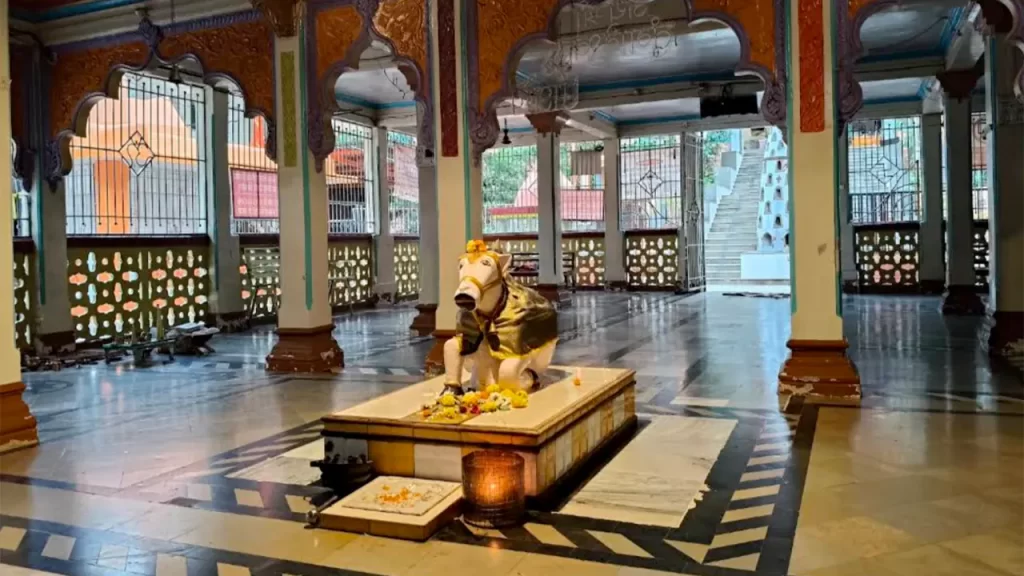
Affiliation with Dynasties, Saints, and Sages
Apart from mythology, the forest plateau of Tungareshwar has seen centuries of royal sponsorship and monastic tradition.
The Silhara Kings and the Patronage of Temples
Between 9th and 13th centuries, the Silhara Dynasty held power over the coastal area of Northern Konkan. The Silhara kings were ardent worshippers of Lord Shiva (and styled themselves as Tagara puraparameshvara). They built many temples of stones in the region, including the well-known Shiv Temple of Ambarnath. The patronages and royal endowments ensured the forest shrine of Tungareshwar had constant supplies of oil, camphor, and bilva leaves to conduct daily worship.
Maratha Struggle against Portuguese under Chimaji Appa
In the beginning of 18th century, the Marathas led by the Peshwa Chimaji Appa launched a tough struggle to free Vasai and its trade ports from the clutches of Portuguese rule. Prior to the Battle of Vasai (1739), the soldiers of Marathas and their commanders visited the shrines and goddess temples in the area—such as Tungareshwar, Vajreshwari, and Jivdani—praying for courage and victory. After their victory, some regional shrines were revived and protected administratively.
Uncover the secret: Discover… Sanwariya Seth Temple: Tycoons Secretly Offer 50% Profits
The Legacy of Modern Yogis of the Forest
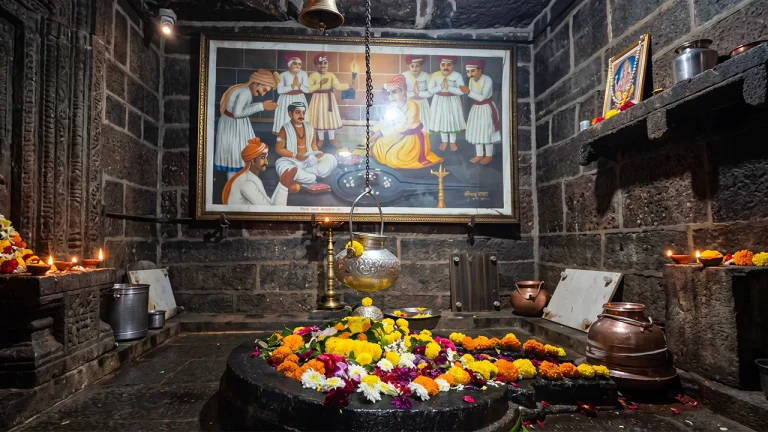
During the 20th century, the spiritual energy of the mountain received new life through the work of great ascetics such as Balyogi Sadanand Maharaj. This individual founded an ashram and a meditation centre (Math) above the main temple. Thus, Tungareshwar became not only a temple in the area but also an active forest retreat for sadhus, yogis, and all those seeking spiritual development from all parts of India.


Cultural Evolution of the Temple Compound
With time, the Tungareshwar Temple changed from a remote forest stone lingam to the sky into a fully formed pilgrimage site:
- Natural Flow of Spring Water: The builders designed the rock formations naturally found on the mountains such that the fresh stream water flowed directly on top of the Shiva Lingam (Swayambhu Jalabhishek).
- Construction of Khodiyar Mata Temple: During the 19th and 20th centuries, when people belonging to trade communities from Gujarat and Rajasthan began settling in the area between Mumbai-Thane-Vasai, a temple of Maa Khodiyar was constructed inside the premises, thus making a synthesis of Shaivite and Shakta culture.
- Wildlife Sanctuary: In 2003, the forest surrounding the temple was declared part of the wildlife sanctuaries.
Religious and Cultural Significance
This temple is considered an active Chaitanya Kshetra (centre of living spirituality).
Presiding Deities
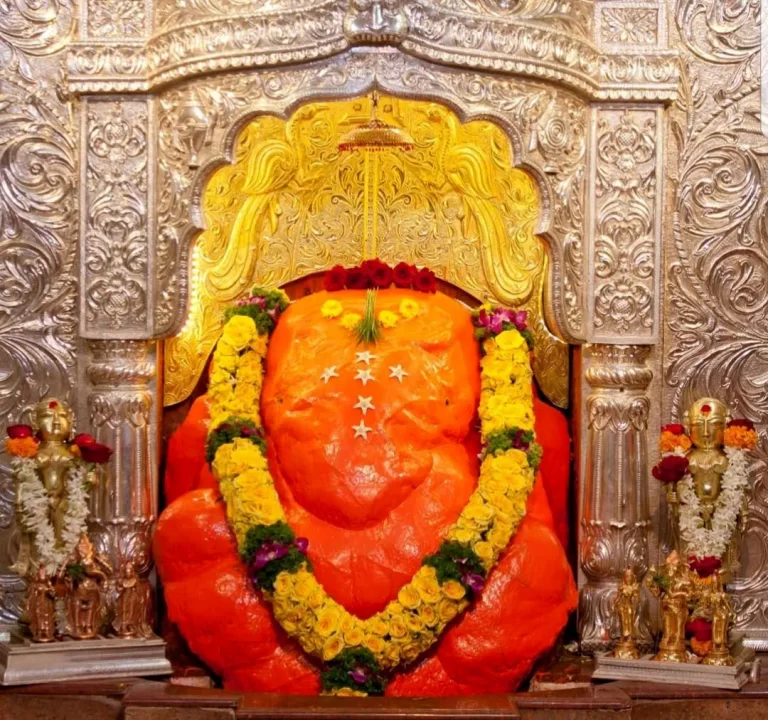
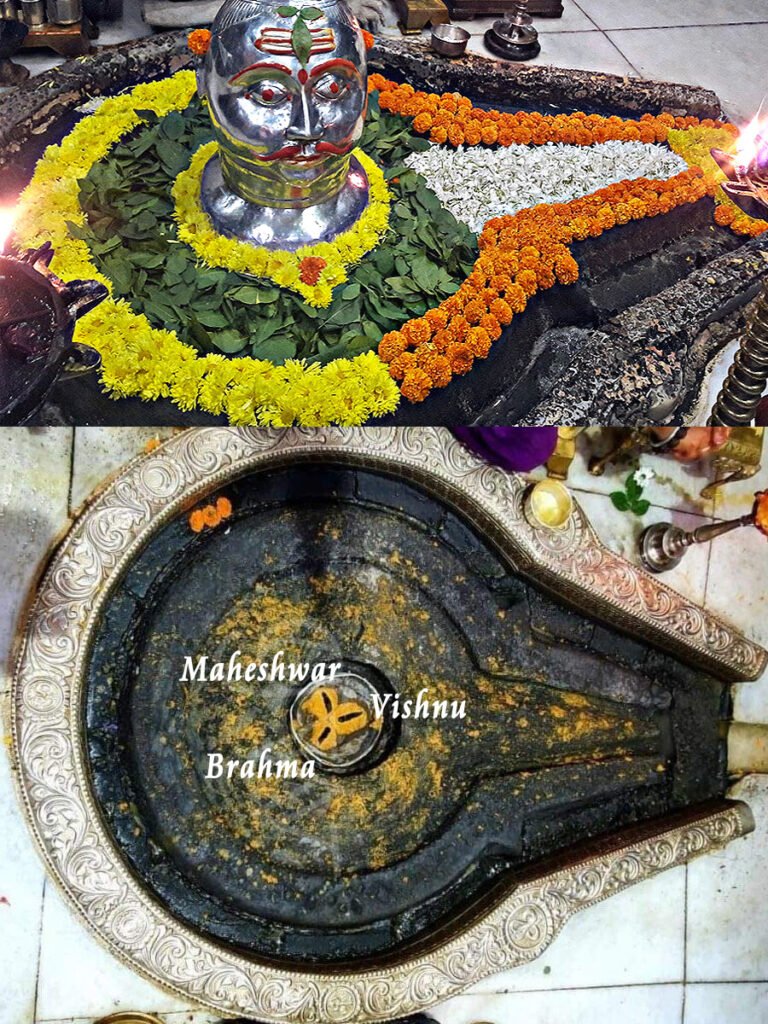
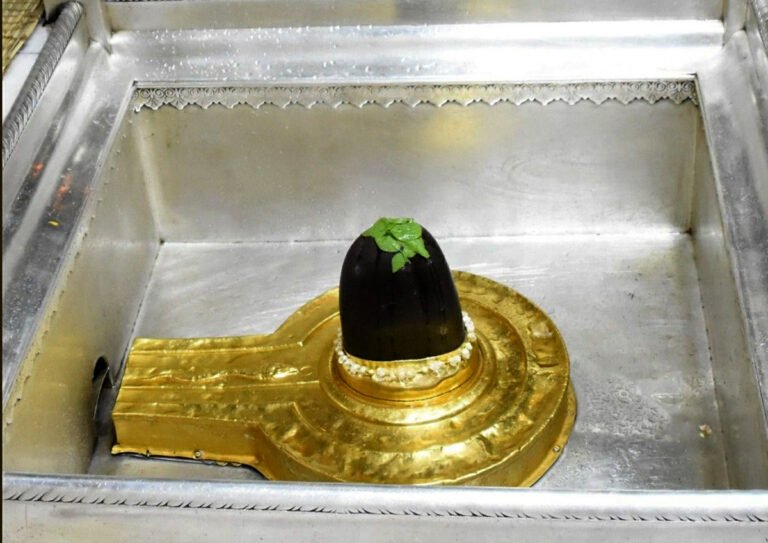
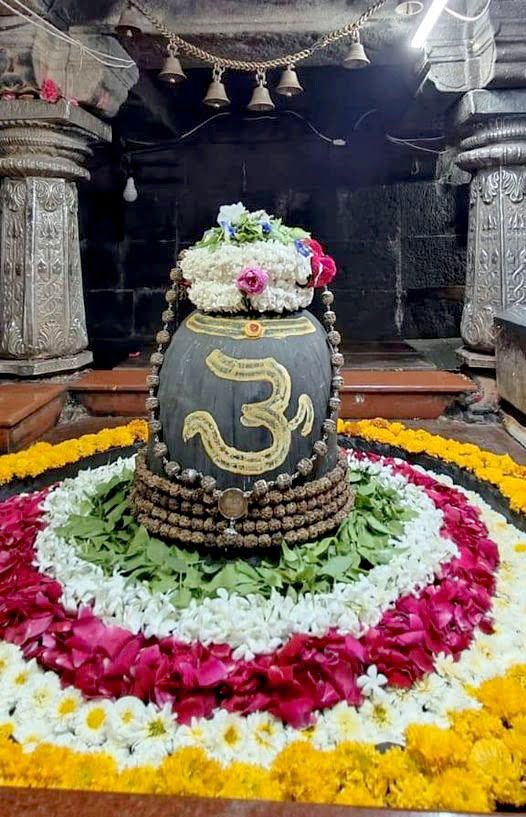
- Tungareshwar Mahadeva: The main Svayambhu or consecrated Shiva Lingam, covered by a bright brass hood symbolizing the serpent Vasuki.
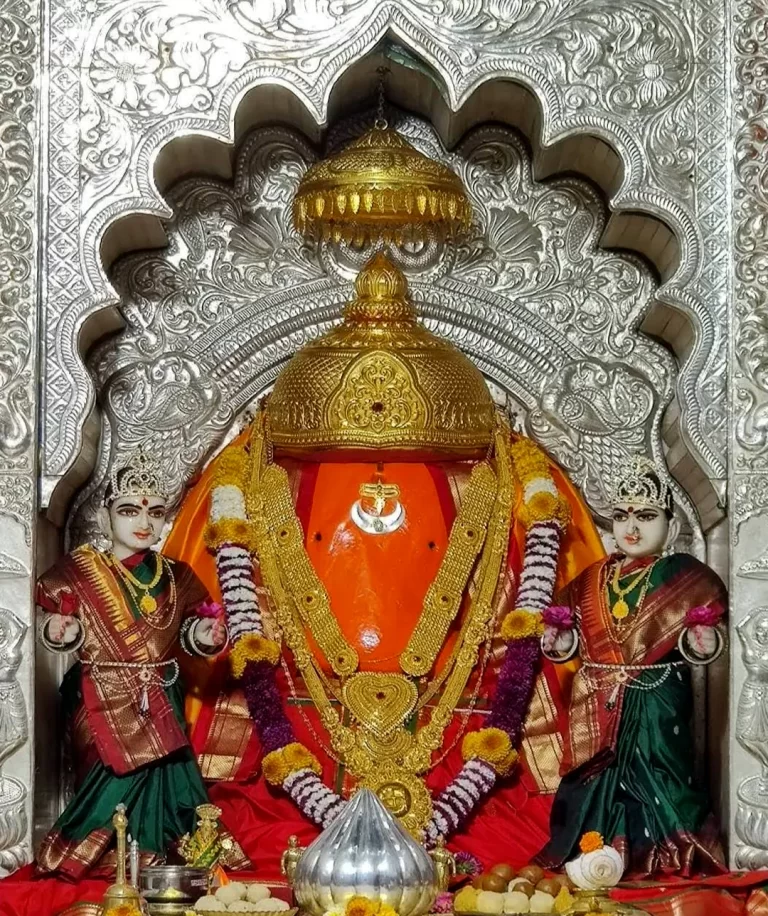
- Khodiyar Mata: A sacred place of worship where one finds the shrine of the Goddess Khodiyar located close to the main temple attracting hundreds of devotees from Gujarat and Rajasthan throughout the year.
- Kal Bhairav & Lord Hanuman: The protective deities of the sacred premises placed strategically around.
Spiritual Beliefs and Planetary Remedies
Devotees believe that the pouring of milk or holy water on the Tungareshwar Lingam helps calm down the mind and gets rid of obstacles caused due to Graha Doshas.
Architecture and Design
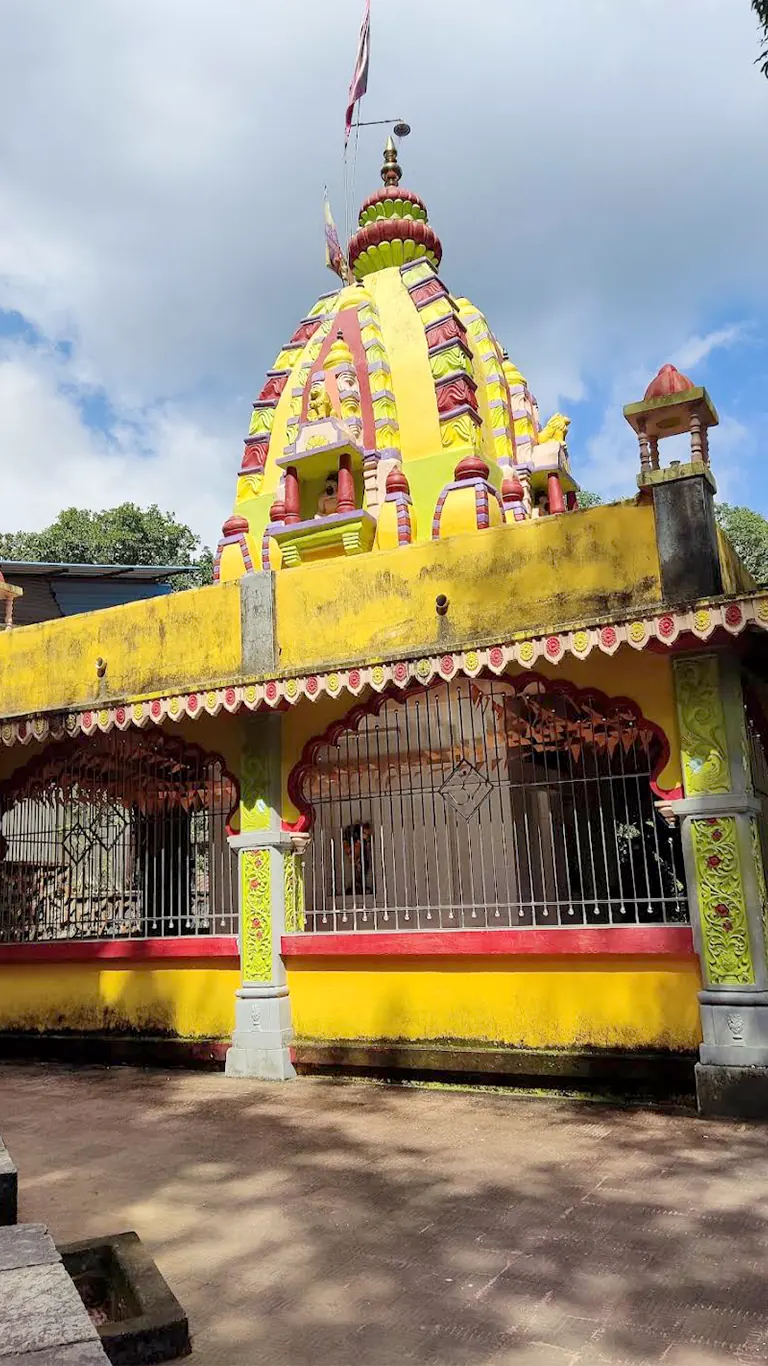
The architectural style of the Tungareshwar temple portrays an ancient Konkan style of temples that can withstand rainfall during monsoons.
Architecture of Spire
The shikhara of the temple follows the simplified Nagara architectural style with a brass Trishul (trident) and a saffron flag placed above the foliage.
Garbhagriha, Deepastambha and Inlay Art
- Vastu-Friendly Garbhagriha: The garbhagriha of the temple lies below the outer courtyard to conserve the earth’s energy.
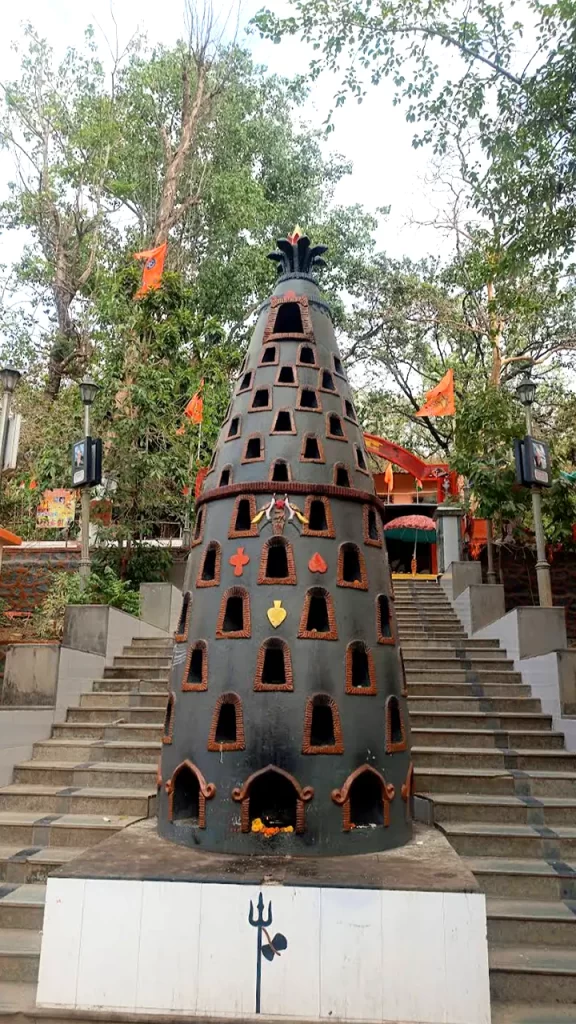
- Deepastambha: This tapering stone light tower of the temple holds the oil lamps that provide illumination during the evening aarti and Shivratri festivals.
- Glass Inlay and Decorations: The mirrors and colored glasses used in the interior ceiling and walls of the temple highlight the ghee lamps of the sanctum.


Main Attractions and Sacred Highlights
Sanctum Sanctorum (Garbhagriha)
Experience the sudden change in temperature as you enter the sacred chamber. The perpetual dripping of water (Abhisheka) on the Shiva Linga generates a soothing sound.
Ram Kund and Sub-Shrines
- Ram Kund: An old pond of fresh water situated at the back of the temple. According to legend, Lord Rama visited this place on his southern trip.
- Khodiyar Mata Temple: This shrine is adorned with red cloth and flowers and is usually very crowded during Navratri and Khodiyar Jayanti.
- Balyogi Sadanand Maharaj Math: This math is located farther along the uphill path, providing an entire view of the Vasai Virar Valley.
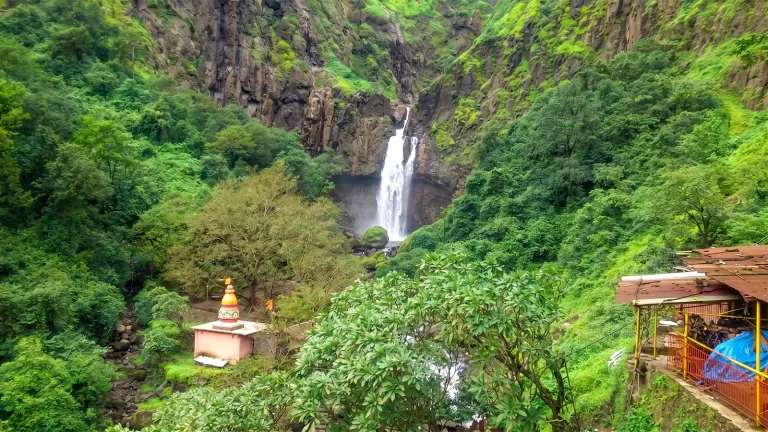
- Waterfall Season: In the monsoon season from July to September, various streams flow down the rocks surrounding the temple route.
Tungareshwar Temple Timings, Daily Rituals, and Etiquette
Daily Puja Timings
| Ritual / Puja | Time | Description |
| Temple Doors Open | 05:00 AM | Morning sanctum purification. |
| Mangala Aarti | 05:00 AM – 05:30 AM | First lighting of the lamps. |
| Morning Abhisheka & Aarti | 09:00 AM | Milk, honey, and bilva patra offerings. |
| Madhyahna Naivedya (Bhog) | 12:00 PM | Food offering to the deity. |
| Sandhya Aarti | 05:00 PM | Evening lamp ceremony. |
| Maha Aarti & Closure | 06:00 PM | Final night prayer before gates close. |
Dress Code and Conduct Code
Devotees are expected to dress decently. The traditional clothes like dhoti, kurta, saree, salwar suits are welcome. Refrain from wearing shorts, sleeveless dresses, or party wears. Do take off your shoes when entering the temple area.
Uncover the secret: Discover…3 BCE Pathala Sembhu Murugan Temple: Underground Copper Pot
Major Festivals and Crowd Guide
Annual Festival Calendar
| Festival | Month (Approx.) | Crowd Level & Atmosphere |
| Maha Shivratri | February / March | Extremely High (50,000+ devotees) |
| Khodiyar Jayanti | February | Moderate to High (Community feast) |
| Shravan Mondays | July / August | High (Pilgrims walking barefoot) |
| Navratri | October | Moderate (Garba, Special Bhajans) |
Experience Maha Shivratri and Shravan Maas
- Maha Shivratri: The liveliest festival celebrated in the temple. All night long, the chanting of “Om Namah Shivaya” can be heard from the hills along with an immense feast (Mahaprasad Bhandara).
- Shravan Maas (Mondays): Devotees of Shiva will pour holy water for Jalabhishek in thousands. If you want to have your quiet meditation time, then don’t come on Shravan Mondays.
How to Reach, Entry Fees, and Facilities
How to Reach by Train and Road
- By Train (Mumbai Suburban Railway): Take a train on the Western Line to alight at Vasai Road Station (East) or Naigaon Station (East). Take an auto-rickshaw from the station to the Tungareshwar Forest Check Post (about 20 to 25 minutes journey).
- By Road: Drive through the Western Express Highway (NH-48). Take the deviation after reaching Sasunavghar / Vasai Phata towards the Tungareshwar Road.
- Final Forest Trek: From the sanctuary entry point, tourists hike for 3.5 kilometers on the unmetalled forest road.
Entry Fees, Food, and Accessibility
- Darshan Charge at Temple: Free entrance for everyone.
- Sanctuary Forest Entrance: Very nominal toll charged by forest department (about ₹20-₹50 per head during checkpoints).
- Food and Drinks: Water, tea, cucumber, coconut water, and poha are available in small stalls located outside the complex.
- Accessibility: The gravel route has uneven stones. There is limited wheelchair access; hence, senior citizens may need help walking.
Uncover the secret: Discover… 8 AD Lalmati Duramari Ganesh Temple
Important Dos and Don’ts
Sacred Dos
- Have a bath and recite the Panchakshari Mantra (Om Namah Shivaya).
- Bring along all garbage you generate in a bag. Make sure that there is no plastic in the forest.
- Carry enough drinking water and comfortable walking shoes with good traction.
- Adhere to the tranquility of the forest as well as the sanctity of the temple.
Forbidden ‘Don’ts’
- Alcohol & Non-vegetarian Food: Prohibited everywhere in the sanctuary as well as in the temple.
- Do not feed wild monkeys: Hide your prasad and food packets in your backpack.
- Loud Music / Bluetooth Speaker: No loud music as it irritates nesting birds and other wildlife.
- Do not venture into deep forest waterfalls alone: Waterfalls may suddenly fill up when there are heavy showers.
Top Nearby Attractions to Explore Around Tungareshwar
Don’t be in a hurry to go back home after you are done with your darshan at Tungareshwar Temple! There are plenty of ancient sea forts, hill shrines, natural waterfalls, and sandy beaches around in the areas of Vasai-Virar, Nalasopara, and Bhiwandi.
Historical Forts & Ancient Structures
1. Fort Vasai (Fort Bassein)
Fort Vasai is an enormous sea fort of the 16th century, built around 18 kilometers away from Tungareshwar. Constructed by the Portuguese, then occupied by the famous Maratha general Chimaji Appa in 1739, this stone fort occupies an area of 110+ acres along the Arabian Sea.
- Must See: Ancient stone watchtowers, impressive arches, remains of the Portuguese churches, and sea walls.
- Best Time for Photography: Late evening when the setting sun lights up the ruins.
- Travel Tip: Get a taxi from Vasai Road Railway Station (West) that will take you to the fort gate in 20 minutes.
2. Sopara Buddhist Stupa Site
The Sopara Buddha Stupa Site (Ancient Buddhist Heritage) located at Nalasopara is an old 3rd century BC stupa unearthed during the period of Emperor Ashoka. Sopara used to be one of the busiest ports in ancient India along with a pilgrimage point for Buddhists.
- What to See: The circular stupa mound made up of bricks, stone structures of that period, and historical information boards.
- Why Visit: An interesting historical site that helps people, especially kids, learn more about the ancient Western India trade routes.
3. Arnala Fort (Jaldurg)
Arnala Fort is a sea fort on an island off the coast of Arnala village, north of Virar. This fort is situated on an island that is surrounded from all sides by the sea, thus offering an adventurous boat trip experience to children and their families.
- What to See: Octagonal water tanks (Bhavani Temple Tank), thick stone walls with cannons mounted on them, and amazing sea views.
- How to Reach: By ferry boat from Arnala beach.
Uncover the secret: Discover… Arasavalli Temple | Sri Suryanarayana Swamy Temple
Sacred Hilltop Temples & Spiritual Sanctoriums
Jivdani Devi Temple, Virar
Jivdani Devi Temple, Virar is located at the top of the lofty Jivdani Hill in Virar East, some 16 km from Tungareshwar. The reigning deity here, Mother Jivdani, is worshipped as a motherly protector of millions in Maharashtra and Gujarat.
- How to Reach the Top? Hike through 1,400 stone steps built in perfect alignment, or take the modern ropeway/cable car ride up the hill.
- Main Attractions: Panoramic aerial views of the whole Virar-Vasai valley and the evening prayer (aarti) ceremony in the refreshing mountain breeze.
Shree Vajreshwari Yogini Devi Sansthan & Hot Springs
The Shree Vajreshwari Yogini Devi Sansthan is one of the famous fort-like temples of Goddess Vajreshwari, situated 28 km northeast from the valley of river Tansa.
- Hot Water Springs: Around the premises of Akaloli and Ganeshpuri, there are Twenty one hot water springs in a five-kilometer radius from the Vajreshwari Temple, which have natural water containing high amounts of sulfur, used by people to take a warm bath.
- Spiritual Environment: The temple has large stone bastions and celebrates Chaitra Navratri festivals in grand manner.
Waterfalls, Forests and Beaches
1. Chinchoti Waterfalls
The Chinchoti Waterfalls are cascading waterfalls that are stepped in nature and are located inside the very mountain range of Tungareshwar. The route to this falls is popular among monsoon trekkers, beginning near the village of Kaman /Naigaon East.
- Best Time: July to September, when the falls will be flowing at its maximum and the forest will be filled with greenery.
- Safety Information: Swimming in the plunge pool areas should be avoided during heavy rains.
2. Suruchi Beach
Suruchi Beach in Vasai West is called so because of the thick groves of Casuarina (Suru) trees along the beach shore.
- Atmosphere: Spacious sands, ocean breezes, and tree-lined paths ideal for family picnic outings.
- Local Food: Street food stalls provide fresh tender coconut juice, roasted corn (bhutta), and gola ice.
3. Bhuigaon Beach
Bhuigaon Beach offers a tranquil getaway with cleaner environment compared to the bustling urban beaches and features wide shoreline and sunset views.
- Reasons to Visit: It is relatively un-commercialized, thus serving as the perfect spot to relax on the beach after a tiring day at the temples and in the woods.
Frequently Asked Questions (FAQs)
Q1. Is Tungareshwar Temple open every day?
Yes, the temple is open throughout the year and most of the time between 5:00 am to 6:00 pm.
Q2. Can we take our car all the way to the temple?
Vehicles are not permitted to enter through the gate post in order to protect the wildlife habitat. Walkers are advised to walk along the 3.5 km beautiful walkway to reach the temple.
Q3. How long does the trek to Tungareshwar Temple take?
It takes about 45 to 60 minutes to walk through 3.5 km long pathway from the base to the temple.
Q4. Is it safe for solo female travellers or families with children?
Yes, the pathway is frequented by devotees, forest rangers, and walkers in the morning hours which ensures its safety during the day. Make sure that you reach the base gate before sunset.
Q5. What is the best season to visit?
- July to September (Monsoon): For waterfalls, green surroundings, and mist.
- October to February (Winter): For cool weather, walking, and darshan.
Conclusion
A visit to the Tungareshwar Temple is not just another ritualistic darshan but an enriching pilgrimage journey that enables you to connect yourself with nature in its purest form and find peace and tranquility in the ever-lasting grace of Lord Shiva. Irrespective of whether you visit to recite prayers at the auspicious Ram Kund, seek blessings from the Goddess Khodiyar Mata, or just walk under the monsoon trees, this beautiful hill sanctuary will forever be etched in your memories.