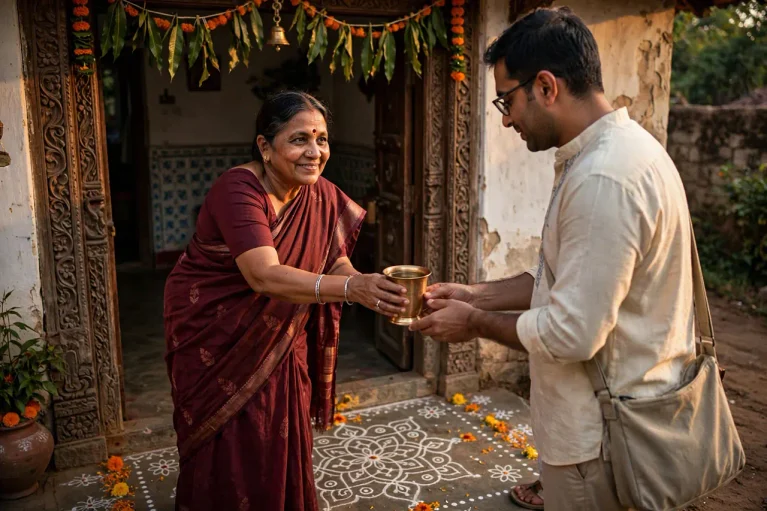
Ganesh Chaturthi: Sacred Meaning, Easy Puja Vidhi, Sthapana & Divine Visarjan
Ganesh Chaturthi is one of the most widely celebrated festivals in the Hindu tradition, marking the arrival of Lord Ganesha, the remover of obstacles and the embodiment of wisdom, auspicious beginnings, and joy. For ten days—and often in homes for one, three, five, or seven days—families clean their houses, welcome an idol of Ganesha, offer seasonal flowers and fresh sweets, and gather every morning and evening for prayers. Streets echo with chants, homes fill with the aroma of steamed modaks and burning camphor, and communities unite across social and cultural lines.

Whether your family has celebrated this festival for generations or you are planning to welcome Lord Ganesha into your home for the very first time, the rituals can sometimes feel overwhelming. You might wonder which direction the idol should face, what items you genuinely need for the puja altar, how to perform the sacred installation (sthapana), or how to say goodbye respectfully during visarjan.
This comprehensive guide brings together traditional wisdom and practical household steps. It explains the cultural roots of the festival, walks you through the step-by-step puja rituals using everyday items, demystifies complex Sanskrit terms, and shares simple, eco-friendly ways to celebrate with reverence and peace of mind.
What Is Ganesh Chaturthi?
Ganesh Chaturthi, also known as Vinayaka Chavithi or Vinayaka Chaturthi, is the Hindu festival that celebrates the emergence and presence of Lord Ganesha on earth. It falls on the fourth day (Chaturthi) of the waxing moon fortnight (Shukla Paksha) in the traditional Hindu calendar month of Bhadrapada (typically late August or September).
Gana (Group of living beings / Divine attendants) Isha / Pati (Ruler, Guardian, or Lord) = GANAPATI / GANESHA: “The Lord who protects and guides all beings”
To understand the festival, it helps to understand the names and titles associated with Ganesha:
- Ganesha / Ganapati: Derived from two Sanskrit roots: Gana (meaning a group, category, or the attendants of Lord Shiva) and Isha or Pati (meaning lord, ruler, or guardian). Ganesha is the protector of all categories of beings in creation.
- Vinayaka: Means “the supreme guide” or “one without a superior” (Vi meaning exceptional or unique, and Nayaka meaning leader or guide).
- Chaturthi / Chavithi: Refers to the fourth lunar day (Tithi) of each lunar fortnight. The Chaturthi of the waxing moon in Bhadrapada is revered as the moment when Ganesha’s energy is most accessible to humanity.
Why Is Lord Ganesha Worshipped First?
In Hindu tradition, Lord Ganesha is known as Prathama Pujya—the deity invoked before any other worship, prayer, journey, wedding, housewarming, or business venture begins.
Traditional texts narrate that the gods once sought to determine who among them should be honoured first. A contest was set: whoever circled the universe first would earn this privilege. While other deities set off on their fast steeds, Ganesha calmly walked around his parents, Lord Shiva and Goddess Parvati, stating with devotion that one’s parents encompass the entire universe. Delighted by his profound understanding, humility, and intellect, Lord Shiva granted him the boon that no auspicious ritual would bear fruit unless Ganesha was invoked and worshipped at its beginning.
Beyond the narrative, worshipping Ganesha first has a deeply practical psychological and spiritual purpose: before attempting any external goal, you pause, clear mental obstacles, cultivate patience, and ground your intellect.
Why Is Ganesh Chaturthi Celebrated?
Ganesh Chaturthi is celebrated to cultivate wisdom, remove internal and external hindrances, and invite auspicious beginnings into everyday life. Devotees revere Ganesha under several important aspects:
- Vighnaharta (Remover of Obstacles): Ganesha does not merely sweep problems away like magic; he grants the clarity of mind (Buddhi) required to navigate through life’s difficulties. When someone feels stuck in their studies, work, or personal decisions, seeking his presence brings a sense of calm resilience.
- Vighnakarta (Creator of Obstacles): Classical scriptures like the Ganesha Purana note that Ganesha can also place hurdles in our path if our intentions are unethical or arrogant. This reminds us to pause, check our motives, and act with integrity.
- Buddhi and Siddhi (Intellect and Fulfillment): Ganesha is flanked by two divine companions—Buddhi (intellectual discernment) and Siddhi (spiritual and material accomplishment). The tradition teaches that success (Siddhi) naturally follows where clear, honest thinking (Buddhi) leads.
- Auspicious Beginnings (Shubharambha): Any creative project, academic year, or new family phase begins with Ganesha’s blessings. Ganesh Chaturthi represents a fresh start, allowing individuals and families to reset their intentions for the coming year.
The Sacred Story: The Birth of Lord Ganesha
The popular tradition of Ganesha’s emergence is preserved across several Puranic texts, most notably the Shiva Purana and the Skanda Purana. While regional folk versions highlight subtle differences, the central narrative remains consistent across India.

According to the Shiva Purana, Goddess Parvati wished for a devoted attendant of her own while Lord Shiva was away meditating. Preparing for her bath, she took the cleansing paste of sandalwood and turmeric from her body, shaped it into the form of a young boy, and breathed life (prana) into him. She instructed the child to stand guard at the doorway of her private quarters and let no one enter until she finished.
Shortly thereafter, Lord Shiva returned. Unaware of Shiva’s identity, the young boy dutifully stopped him at the doorway. Shiva’s attendants (ganas) attempted to reason with the boy, but he stood firm in his mother’s command. A fierce battle ensued between Shiva’s followers and the child, culminating in Shiva severing the boy’s head in an outburst of cosmic fury.
When Parvati emerged and saw her fallen child, her grief and wrath shook the cosmos. She threatened to dissolve the universe into chaos unless two conditions were met: her son must be restored to life, and he must be honoured forever as the leader of all divine beings.
Moved by her sorrow, Lord Shiva dispatched his attendants to head north and bring back the head of the first living being they encountered whose mother was facing away from her child, or who was resting peacefully. They found an elephant that yielded its head for this sacred restoration. Shiva placed the elephant’s head upon the boy’s shoulders, reviving him.
Shiva then blessed him, naming him Ganapati (Lord of the Ganas) and Gajanana (the elephant-faced one), decreeing that the universe would forever invoke him before beginning any good work.
Different regional traditions, such as those found in the Mudgala Purana and Brahmavaiwarta Purana, describe Ganesha’s manifestations across various cosmic ages (Yugas) to conquer demons of delusion, greed, arrogance, and anger. Regardless of the version, the story symbolizes how raw ego is transformed into supreme wisdom through divine intervention.
The Moon Sight Curse (Mithya Dosha / Syamantaka Story)
A common custom during Ganesh Chaturthi is the caution against looking at the moon on the night of the festival. This practice stems from an ancient legend involving the Moon god (Chandra) and a later episode involving Lord Krishna.
The Puranas recount that on one of his birthdays, Ganesha had eaten a generous feast of modaks. Riding home on his tiny vehicle, the mouse, a snake crossed their path. The mouse startled, causing Ganesha to slip. While recovering his balance with grace, Chandra looked down from the sky and laughed arrogantly at Ganesha’s round form and unusual appearance.
Recognizing the pride born of physical beauty, Ganesha broke off one of his tusks, hurled it at the moon, and pronounced a curse: anyone who looked at the proud moon on this night would face false accusations, scandal, and a damaged reputation (Mithya Dosha). When the remorseful Moon begged for forgiveness, Ganesha softened the curse: the moon would wax and wane cyclically, and the prohibition against viewing it would be observed on the night of Bhadrapada Shukla Chaturthi.
In the Bhagavata Purana, even Lord Krishna inadvertently glanced at the moon on this day and subsequently faced the false accusation of stealing the precious Syamantaka jewel from King Satrajit. To clear his name, Krishna embarked on a difficult quest, retrieved the jewel from the mighty bear-king Jambavan, and restored his honour.
Traditional Remedy: If someone accidentally looks at the moon on Ganesh Chaturthi, traditional families read or listen to the Syamantaka Mani story from the Bhagavata Purana or recite the following protective prayer:
“Simhah prasenam avadhit, simho jambavata hatah |
Sukumaraka ma rodihi, tava hyhesha syamantakah ||”
(“The lion killed Prasena; the lion was killed by Jambavan. Do not weep, little child, for this Syamantaka jewel is now yours.”)
When Is Ganesh Chaturthi Celebrated?
The timing of Ganesh Chaturthi is determined by the Hindu lunisolar calendar:
- Lunar Month: Bhadrapada (in the Amanta system used in Western and Southern India; corresponding to the transition from Bhadrapada in the Purnimanta calendar of Northern India).
- Fortnight: Shukla Paksha (the bright, waxing phase of the moon).
- Lunar Day: Chaturthi Tithi (the fourth day).
Because the Gregorian calendar is solar-based (365 days) and the Hindu calendar is lunar-based (approximately 354 days across twelve lunar months), the festival shifts by roughly 10 to 11 days each year against Western dates, typically occurring between mid-August and late September.
Ganesh Chaturthi 2026 Date and Muhurat
For devotees planning their observance in 2026, the festival details are as follows:
| Event / Timing | Date & Window (IST) |
| Ganesh Chaturthi Date | Monday, September 14, 2026 |
| Chaturthi Tithi Begins | September 14, 2026, around early morning |
| Chaturthi Tithi Ends | September 15, 2026, around mid-morning |
| Madhyahna Ganesha Puja Muhurat | 11:05 AM to 01:35 PM (approx. 2.5 hours) |
| Anant Chaturdashi (Final Visarjan) | Thursday, September 24, 2026 |
Note: Lunar tithi timings vary slightly depending on your geographic coordinates, local sunrise, and city Panchang. Always verify with your local temple or regional calendar for precise minutes in your timezone.
Spiritual Symbolism of Lord Ganesha’s Form
Every physical attribute of Lord Ganesha carries an ethical or philosophical teaching. Rather than an arbitrary hybrid figure, his form serves as a visual guide for balanced living:

- The Elephant Head: Symbolizes supreme wisdom, strength, dignity, and intellectual depth. The elephant makes its way through dense jungle without getting trapped; similarly, wisdom carves a path through life’s confusion.
- Large Ears (Surpakarna): Like winnowing baskets that separate grain from chaff, large ears urge us to listen attentively to wisdom while letting negative gossip fall away.
- Small Eyes: Represent concentration, deep focus, and looking past superficial distractions to see the core truth of situations.
- The Trunk: Known for both uprooting massive trees and gently picking up a tiny needle. It signifies adaptability, precision, and Viveka (the power of discernment between the temporary and the eternal).
- A Single Broken Tusk (Ekadanta): Represents non-duality (Advaita) and determination. Tradition holds that Ganesha broke off his own tusk to use as a pen when Sage Vyasa dictated the epic Mahabharata, teaching that no personal sacrifice is too great for sacred knowledge.
- Large Belly (Lambodara): Symbolizes the capacity to digest and absorb all life experiences—praise and blame, joy and grief—with steady equanimity.
- The Tiny Mouse (Mushaka): Mice are naturally restless, nocturnal, and constantly gnawing on things. The mouse symbolizes our restless worldly desires. By riding atop the mouse, Ganesha shows that desires must be steered by wisdom rather than allowed to control the mind.
- The Modak: A sweet dumpling with a plain, unpretentious wheat or rice flour exterior concealing a rich coconut-jaggery core. It represents the inner joy of spiritual self-realization wrapped inside the simple exterior of daily life.
- Four Arms: Represent the four internal faculties of human consciousness (Antahkarana):
- Manas (Mind / Emotions)
- Buddhi (Intellect / Discernment)
- Ahamkara (Sense of Self / Ego)
- Chitta (Memory / Subconscious Awareness)
- The Axe/Noose (Ankusha and Pasha): The axe cuts away worldly attachments and ego; the noose gently reels the mind back toward truth and divine focus.
- Abhaya Mudra: The open right palm signifies divine protection, blessing the seeker with courage: “Do not fear; I am with you.”
Ganesh Sthapana: How to Install the Idol at Home
Sthapana (consecration and installation) is the ritual act of establishing Lord Ganesha in your clean living space as an honoured guest.
1. Direction and Placement
- Preferred Location: The northeast corner of your home (Ishanya) is traditionally considered the most harmonious for prayer. If that is unavailable, the east or north direction is equally welcoming.
- Altar Orientation: Position the altar so that the deity faces either east or west. When you sit to pray, you will face either east or north.
- Avoid Unsuitable Areas: Do not place the altar beneath a staircase, against a shared bathroom wall, or directly inside a bedroom unless space limitations leave no alternative. Respect and cleanliness matter most.
2. Choosing the Altar Platform
- Place a clean wooden board (chowki or patta) on a freshly swept and washed floor.
- Spread a new, unstitched piece of red or yellow cotton/silk cloth over the board.
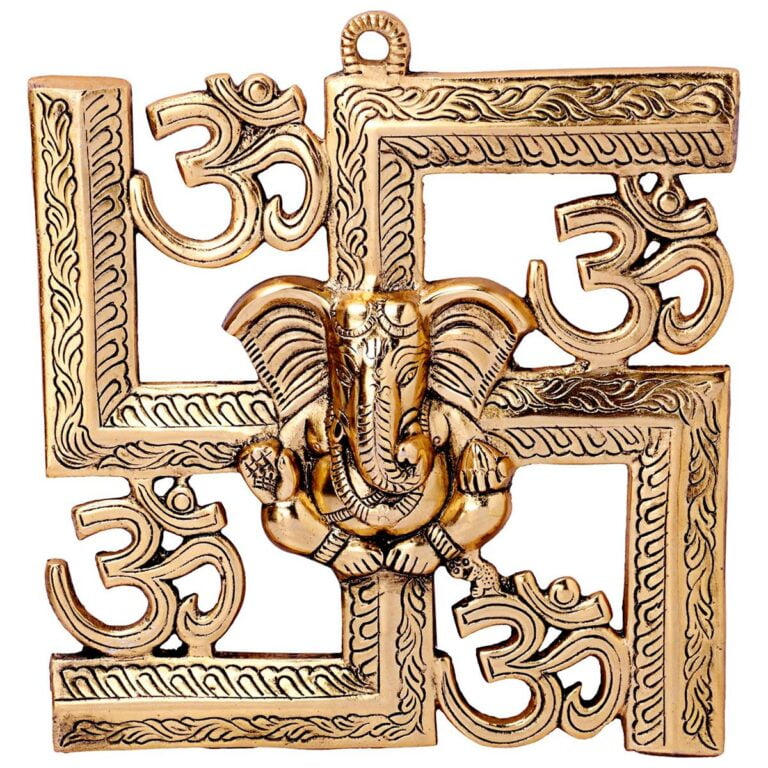
- Draw a sacred symbol on the cloth—such as an eight-petaled lotus (Ashtadala Padma) or a simple Swastika—using dry rice grains mixed with a pinch of turmeric powder (akshata).
- Scatter a few grains of raw rice in the center to create a comfortable seat (asana) upon which the idol will rest.
3. Idol Selection Guidelines
- Material: Choose an unbaked, natural clay idol (Mitti Murti) decorated with organic, non-toxic colors. These dissolve smoothly in water and cause no harm to aquatic life.
- Posture: The seated posture (Lalitasana or Padmasana) represents calm, stability, and peace for household environments. Standing or dancing postures (Nritya Ganapati) are traditionally installed in public pandals or cultural centers.
- Trunk Direction:
- Left-turning trunk (Ida Nadi / Vamamukhi): Preferred for households. It represents peace, nurturing grace, prosperity, and gentle, accessible energy.
- Right-turning trunk (Pingala Nadi / Dakshinabhimukhi): Represents fiery solar energy. It requires rigorous, disciplined daily rituals and is traditionally worshipped in dedicated temples.
Complete Ganesh Chaturthi Puja Samagri Checklist
Gather your puja items a day in advance to avoid last-minute rushing on the morning of the festival. You do not need expensive items; sincerity and clean, natural offerings are what truly matter.
Comprehensive Samagri Table
| Category | Item Name | Traditional Name | Practical Purpose / Meaning |
| Altar Setup | Wooden low table | Chowki / Peetha | Raised sacred platform for the deity |
| Red or yellow cloth | Vastra | Fresh cloth to cover the wooden platform | |
| Clay Ganesha idol | Mitti Murti | The physical form invoked for worship | |
| Clean uncooked rice | Akshata | Sacred base for the idol; invocation offering | |
| Purification | Small water pot | Kalash / Lota | Symbolizes the cosmic ocean and divine presence |
| Water offering spoon | Panchapatra & Achamani | Small copper/brass cup and spoon for water drops | |
| Clean water / Ganga jal | Shuddha Jala | Used for ceremonial washing and sipping | |
| Powders & Pastes | Sandalwood paste | Chandan | Cooling paste applied to Ganesha’s forehead |
| Red vermilion | Kumkum | Symbol of auspiciousness, vitality, and grace | |
| Turmeric powder | Haldi | Symbol of purity, healing, and earth energy | |
| Sacred Plants | Bermuda grass | Durva (21 blades) | Ganesha’s most beloved cooling offering |
| Fresh red flowers | Pushpa (Hibiscus / Marigold) | Red flowers signify vibrant devotion (Bhakti) | |
| Mango / Betel leaves | Amra / Tambula Patra | Used to decorate the kalash and offer naivedyam | |
| Aromatic & Light | Ghee / Sesame oil lamp | Diya / Deepa | Illuminates the altar; dispels ignorance |
| Incense sticks | Agarbatti / Dhoop | Purifies the air and calms the wandering mind | |
| Camphor cubes | Karpura | Used during the concluding Aarti ceremony | |
| Offerings | Fresh modaks or laddus | Naivedyam | Traditional sweet dumplings loved by Ganesha |
| Raw whole coconut | Narikela | Offered as a mark of surrender and humility | |
| Fresh seasonal fruits | Phala (Banana, Pomegranate) | Wholesome, unprocessed produce of the season | |
| Betel leaves & nuts | Paan & Supari | Traditional mark of hospitality after a meal | |
| Sacred sacred thread | Janeu / Yajnopavita | Cotton cord offered to adorn the deity |
Ganesh Chaturthi Puja Vidhi: Step-by-Step Household Guide
Traditional Hindu worship follows the Shodashopachara framework—a sequence of sixteen hospitable offerings (Upacharas) treated as if welcoming an esteemed guest into your home. Below is the authentic, easy-to-follow sequence designed for home celebrations.

Preparation
- Bathe early in the morning and wear clean, modest clothing.
- Clean the room thoroughly and set up the altar as explained in the Sthapana section.
- Place a small brass, silver, or clay diya filled with ghee or sesame oil to the right side of the altar and light it.
Step 1: Deepa Prajvalana (Lighting the Lamp)
Light the lamp with a calm mind. In Indian tradition, light represents the dispelling of darkness and confusion.
- Simple prayer: “Shubham karoti kalyanam arogyam dhana-sampadah, shatru-buddhi-vinashaya deepa-jyotir namostute.”(Salutations to the light that brings auspiciousness, health, and prosperity, and dissolves negative thoughts.)
Read More >> Why Do We Light a Diya? Meaning, Rules, Significance & Oil vs Ghee
Step 2: Achamana (Self-Purification)
Take a small spoon (achamani) of clean water in your right palm, sip it, and wash your hands. Repeat this three times while remembering the divine:
- Om Keshavaya Namah (Sip water)
- Om Narayanaya Namah (Sip water)
- Om Madhavaya Namah (Sip water)
- Om Govindaya Namah (Pour water into a bowl to wash hands)
Step 3: Sankalpa (Statement of Intent)
Take a few grains of rice, a drop of water, and a flower petal in your right hand. Close your eyes and state your intent mentally: your name, your location, the date, and your prayer to welcome Lord Ganesha with devotion for the welfare, peace, and harmony of your family. Gently drop the contents into a small plate.
Step 4: Avahana and Asana (Invoking and Seating the Divine)
Place your hands together in front of the Ganesha idol. Mentally invite his living presence into the clay form:
- Mantra: “Om Gam Ganapataye Namah, Asmin Murtau Shri Mahaganapatim Avahayami, Sthapayami.”(I invoke and welcome Supreme Lord Ganesha into this sacred murti.)
- Offer a pinch of akshata (sacred rice) at the base of the idol, symbolizing a soft, welcoming seat (Asana).
Step 5: Padya, Arghya, and Achamana (Hospitable Welcoming)
In ancient times, a weary traveller arriving home was offered water to wash their feet, hands, and rinse their mouth:
- Take a spoon of clean water and let it drip into a collection bowl, visualizing washing Ganesha’s feet (Padya).
- Offer another spoonful into the bowl for washing hands (Arghya).
- Offer a third spoonful for sipping (Achamaniya).
Step 6: Snana (Symbolic Bath)
- For clay idols: Do not pour water directly over an unbaked clay idol, as it will dissolve prematurely. Instead, take a betel leaf, mango leaf, or a flower petal, dip it in water mixed with a drop of rose water, and gently sprinkle drops near the base of the idol.
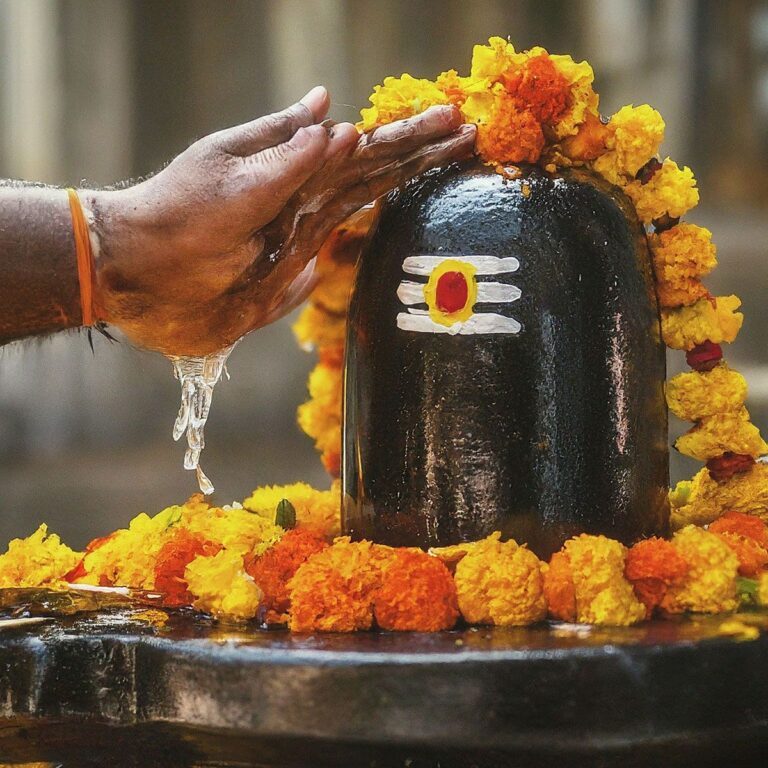
- For metal/stone idols: You may perform a full ceremonial bath (Abhishekam) using water, milk, curd, honey, ghee, and sugar (Panchamrit), followed by clean water, drying the deity gently with a clean towel.
Step 7: Vastra and Yajnopavita (Adornment)
- Offer a small strip of red/yellow cloth or a length of raw cotton rolled in turmeric (Kalava) as sacred attire (Vastra).
- Drape the sacred white cotton thread (Janeu / Yajnopavita) over Ganesha’s left shoulder, letting it run across the chest down to his right side.
Step 8: Gandha and Akshata (Fragrance and Rice)
- Apply a dot of fragrant sandalwood paste (Chandan) to Ganesha’s forehead, followed by a pinch of vermilion (Kumkum).
- Sprinkle unbroken rice grains (Akshata) over the idol’s feet.
Step 9: Pushpa and Durva Samarpan (Flowers and Sacred Grass)
- Offer fresh flowers, preferably red hibiscus, marigold, or jasmine.
- Offer a bundle of fresh, clean Durva grass (ideally 21 blades tied together) at his feet or over his trunk.
Step 10: Dhoop and Deepa (Incense and Lamp)
- Wave lighted incense sticks (Agarbatti) in gentle clockwise circles before the idol to fill the room with fragrance.
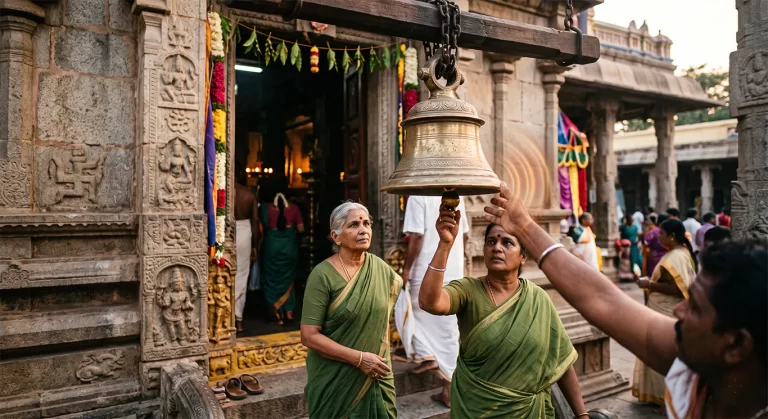
- Gently wave a small ghee lamp (Deepa) while ringing a small prayer bell with your left hand.
Step 11: Naivedya (Offering Food)
- Place your prepared sweets—modaks, laddus, seasonal fruits, and clean drinking water—before the deity.
- Sprinkle a drop of water in a circle around the food plate to consecrate the offering.
- Gently fan the air toward the deity with your hand, symbolizing the essence of the food reaching him:
- Om Pranaya Svaha (Nourishment for the vital breath)
- Om Apanaya Svaha (Nourishment for downward breath)
- Om Vyanaya Svaha (Nourishment for circulating breath)
- Om Udanaya Svaha (Nourishment for rising breath)
- Om Samanaya Svaha (Nourishment for balancing breath)
- Om Brahmane Svaha (Offering to the supreme consciousness)
Step 12: Tambula and Dakshina
- Offer two clean betel leaves with their stems intact, a whole betel nut (supari), and a coin as a gesture of gratitude and hospitality (Tambula & Dakshina).
Step 13: Karpura Aarti (Camphor Flame)
- Place a small tablet of camphor on an aarti plate, light it, and wave the flame clockwise before the deity while singing a traditional Ganesha aarti together with your family.
- Gently cup your hands over the warm sacred smoke and touch your eyes, bringing the blessings into your being.
Step 14: Pradakshina and Namaskar
- Stand up and turn around clockwise three times on the spot where you stand. This represents circumambulating the divine presence that fills all directions.
- Bow deeply or prostrate (Pranam) before the altar, silently asking for forgiveness for any unintentional mistakes during the puja and praying for wisdom, health, and peace.
- Distribute the sanctified food (Prasadam) to your family members and neighbours.
Read More >> Pradakshina: Meaning, Significance, Rules & Why We Walk Clockwise
Essential Ganesh Mantras for Daily Chanting
You do not need to memorize hundreds of verses. Even one simple mantra chanted with sincerity, correct focus, and calm breathing carries immense positive energy.
1. The Bija Mantra (Seed Sound)
- Sanskrit: ॐ गं गणपतये नमः
- Transliteration: Om Gam Ganapataye Namah
- Meaning: “I bow to and align myself with Lord Ganapati, the protector of all beings.”
- How to chant: Chant 11, 21, or 108 times using a rudraksha or sandalwood rosary during early morning or evening hours.
2. The Universal Invocation Verse
- Sanskrit: वक्रतुण्ड महाकाय सूर्यकोटि समप्रभ ।निर्विघ्नं कुरु मे देव सर्वकार्येषु सर्वदा ॥
- Transliteration: Vakratunda Mahakaya Suryakoti Samaprabha |Nirvighnam Kuru Me Deva Sarva-Karyeshu Sarvada ||
- Meaning: “O Lord with the curved trunk and immense form, whose radiance equals that of millions of suns, please make all my constructive endeavours free of obstacles, always.”
3. The Ganesha Gayatri Mantra
- Sanskrit: ॐ एकदन्ताय विद्महे वक्रतुण्डाय धीमहि ।तन्नो दन्तिः प्रचोदयात् ॥
- Transliteration: Om Ekadantaya Vidmahe Vakratundaya Dhimahi |Tanno Dantih Prachodayat ||
- Meaning: “We contemplate the single-tusked Lord; we meditate upon the Lord with the curved trunk. May that elephant-faced deity illuminate and guide our intellect.”
The Role and Joy of Aarti
Aarti is the concluding ritual of Hindu worship, where fire or light is waved before the divine while verses of praise are sung in chorus.

The word Aarti comes from the Sanskrit root Aratrika, meaning that which removes darkness. As the camphor flame burns brightly without leaving any soot or residue, it symbolizes how the human ego should dissolve completely before divine wisdom, leaving nothing behind but pure light.
Popular Regional Aartis
- In Maharashtra and across Western India: The Marathi aarti “Sukhkarta Dukhharta” composed by Saint Samarth Ramdas in the 17th century is sung with rhythmic clapping and cymbals:“Sukhkarta dukhharta varta vighnachi, nurvi purvi prem krupa jayachi…”(Creator of happiness, destroyer of sorrow, remover of obstacles, who showers love and grace…)
- Across Northern India: Families sing “Jai Ganesh, Jai Ganesh, Jai Ganesh Deva, Mata Jaki Parvati, Pita Mahadeva”, celebrating Ganesha’s parentage and his boons of health, wealth, and spiritual sight.
- In Southern India: Devotees frequently sing classical Sanskrit compositions such as Muthuswami Dikshitar’s “Vatapi Ganapatim Bhajeham” or Adi Shankara’s “Ganesha Pancharatnam”.
Why Is Durva Grass Offered to Ganesha?
Of all the fragrant blossoms, gold ornaments, and exotic fruits on the altar, Ganesha’s most beloved offering is humble green lawn grass: Durva (Bermuda grass / Cynodon dactylon).
The Sacred Legend
The Ganesha Purana narrates that a terrifying fire-demon named Analasura (meaning “fire-demon”) terrorized the world, emitting scorching flames that consumed sages and scorched earth and heavens alike. The gods approached Ganesha for refuge. Ganesha assumed a massive cosmic form and swallowed the demon whole to neutralize the threat.
However, swallowing the fire-demon caused an unbearable, burning heat inside Ganesha’s stomach. Celestial physicians (Ashwini Kumaras) tried cooling medicines, and Lord Shiva placed cooling snakes on him, but the burning persisted.
Finally, a group of humble sages arrived carrying bundles of green Durva grass, which naturally possesses cooling, detoxifying properties. They offered 21 blades to Ganesha. The moment he consumed the grass, the burning sensation ceased completely. Pleased by their thoughtful offering, Ganesha declared that whoever offers him 21 blades of fresh Durva with devotion will earn his heartfelt blessings, surpassing the merit of offering gold or jewels.
Practical Tips for Offering Durva
- Collect grass from a clean garden away from dust or pet walking areas.
- Wash the blades thoroughly in clean water.
- Form them into small bundles of 21 blades tied gently with a blade of grass or cotton thread.
- Offer them at the feet or over the trunk of the idol.
The Sacred Modak and Festival Naivedyam
No depiction of Lord Ganesha is complete without a sweet Modak resting comfortably in his left palm. The word Moda means joy, delight, or spiritual contentment; therefore, Modak is literally “that which bestows joy.”
Popular Regional Offerings
- Ukadiche Modak (Maharashtra & Goa): Steamed rice-flour dumplings shaped like an onion bulb, filled with freshly grated coconut, jaggery, nutmeg, and cardamom, served warm with a spoonful of pure ghee.
- Kozhukattai (Tamil Nadu & Kerala): The southern equivalent of the steamed rice-flour modak, made during Vinayagar Chaturthi in both sweet (Poornam) and savoury (Uppu Kozhukattai) varieties.
- Undrallu and Kudumulu (Andhra Pradesh & Telangana): Steamed rice rava and chana dal spheres (Undrallu), along with flat rice dumplings (Kudumulu), offered along with sweet Chalividi and soaked moong dal (Vadapappu).
- Motichoor & Besan Laddus: Widely prepared in Northern and Central India, made from gram flour pearls fried in ghee, soaked in sugar syrup, and rolled into golden spheres.
- Panchamrit: A traditional restorative nectar made by blending five ingredients: raw milk, curd, honey, ghee, and jaggery/sugar.
Fasting Rules and Dietary Guidelines
Fasting on Ganesh Chaturthi is a voluntary spiritual practice observed to cleanse the body, sharpen awareness, and demonstrate focus. It is never meant to cause physical distress or illness.
Common Fasting Approaches
- Nirjala Vrat (Waterless Fast): An intense fast observed by experienced devotees from sunrise until the midday puja concludes or until the evening moon rises.
- Phalahar Vrat (Fruit and Milk Fast): The most common household practice. Devotees refrain from grains, beans, and table salt, consuming fresh fruits, nuts, milk, sabudana (tapioca), and dishes made from water chestnut flour (singhara atta) or buckwheat (kuttu). Rock salt (sendha namak) is used instead of common salt.
- Single Meal Fast (Eka-bhakta): The devotee fasts through the morning until the Madhyahna Puja and Aarti are completed, after which they partake in a single vegetarian meal of consecrated prasadam.
What Is Traditionally Avoided?
- Non-vegetarian food of any kind.
- Alcohol, tobacco, and intoxicants.
- Onion and garlic in puja food preparations (these are categorized as Tamasic and Rajasic, which can agitate calm mental focus).
- Leftover, stale, or packaged food for altar offerings.
How Many Days Should the Ganesha Idol Be Kept?
There is no single rule dictating how long the Ganesha idol must remain at home. Hindu traditions offer several choices based on family customs, work schedules, and physical convenience:

- 1.5 Days: Installed on Chaturthi morning and immersed on the afternoon of the following day (Panchami). This is extremely popular in major cities among working households.
- 3 Days: Concludes on the third day with prayers.
- 5 Days: Immersed on the fifth day (Gauri Visarjan in many Maharashtrian households).
- 7 Days: Immersed on the seventh day (Bhadrapada Shukla Ashtami).
- 10 or 11 Days: Kept until Anant Chaturdashi (the fourteenth day of the bright fortnight). This is the grand culmination seen in public pandals and traditional joint families.
Key Takeaway: Choose a duration that you and your family can observe with calm joy, clean surroundings, and daily morning and evening aartis. Celebrating for 1.5 days with full devotion is far better than keeping an idol for 10 days while feeling stressed or neglected.
Ganesh Visarjan: Meaning, Philosophy & Significance
Visarjan literally means “respectful farewell” or “dispersal.” At the end of the festival period, the consecrated clay idol is carried in a joyful procession and immersed in clean water, where it softens, breaks down, and merges back into the earth.
To someone unfamiliar with Hindu philosophy, immersing a carefully worshipped idol might appear paradoxical. However, Visarjan embodies three of the deepest spiritual truths in Sanatana Dharma:
- Form to Formless (Saguna to Nirguna): We bring divine consciousness into a tangible, touchable form (Saguna) to help our human senses connect, love, and meditate. Through Visarjan, we release the physical form back into the vast, formless universe (Nirguna), recognizing that God is not trapped inside clay, but fills every atom of creation.
- The Beauty of Impermanence: Everything in the physical world that has a beginning must have an end. By willingly letting go of the beautiful murti we welcomed with tears of joy, we practice non-attachment (Vairagya), remembering that change is the natural law of life.
- The Cycle of Nature: The idol was crafted from clay (Prithvi Tattva) and dissolves back into water (Jala Tattva). Nature returns to nature, reminding us of our own earthly journey.
As devotees immerse the idol, they do not mourn; they dance, sing, and shout:
“Ganapati Bappa Morya, Pudhchya Varshi Lavkar Ya!”
(“O Father Ganesha, return to us early next year!”)
How to Perform Ganesh Visarjan at Home
Immersing your idol safely and respectfully at home is not only spiritually sound, but it is also the kindest choice for our lakes, rivers, and marine ecosystems aligned with the Central Pollution Control Board.
Step 1: The Final Puja (Uttara Puja)
Before leaving the house, gather your family around the altar for the concluding worship:
- Light the lamp and incense one last time.
- Offer fresh flowers and a pinch of akshata.
- Offer sweet naivedyam (such as modaks, fruits, or curd mixed with sugar) and water.
- Perform a gentle concluding Aarti.
- Bow low and say a quiet prayer of gratitude:“O Lord Ganesha, thank you for residing in our home and blessing our family with peace. Please forgive any shortcomings in our hospitality, take away our worries, and return soon next year.”
Step 2: Symbolic Movement (Prasthan)
Gently move the idol slightly forward or nudge it an inch to the right using both hands. This symbolic movement signifies that the sthapana period has concluded and the deity is now preparing for his departure.
Step 3: Safe Immersion at Home
- Take a clean, large metal drum, brass vessel, or wide bucket filled with fresh water.
- Add a few drops of rose water, a handful of flower petals, and a pinch of turmeric.
- Holding the clay idol tenderly with both hands, slowly and reverently lower it into the water until it is submerged.
- Leave the idol undisturbed. Over a few hours (or 1–2 days depending on the thickness of raw clay), the idol will soften and dissolve completely into rich natural mud.
Step 4: Honouring the Sacred Earth
- Once the clay has completely settled into soft soil, pour the mud and water into your garden, around the roots of trees, or into potted household plants (such as flowering shrubs).
- Important: Avoid pouring this sanctified clay over delicate sacred plants like Tulsi (Holy Basil), as heavy clay can suffocate their roots.
Read More >> Sacred Tulsi Plant at Home: Meaning, Worship, Placement & Care
Eco-Friendly Ganesh Chaturthi Celebrations
For centuries, Ganesha idols were sculpted from local riverbed mud (shadu mati) and painted with natural vegetable dyes like turmeric, geru (red ochre), and multani mitti. Over the past several decades, however, industrial materials like Plaster of Paris (PoP) and toxic chemical paints containing lead, mercury, and cadmium became common.
Practical Ways to Celebrate Sustainably
- Insist on Unbaked Clay (Shadu Mati): Always verify that your murti vendor provides pure mud or clay idols without synthetic chemical hardening agents.
- Plant-A-Ganesha (Seed Ganeshas): A wonderful modern initiative where clay idols are embedded with flowering seeds (like marigold or tulsi) and organic compost. When immersed in a garden pot at home, the idol transforms into a blossoming green plant.
- Natural Decor: Replace single-use plastic festoons and thermocol backdrops with fresh banana leaves, mango foliage, brass lamps, and colorful woven cotton or silk dupattas.
- Compost Floral Waste (Nirmalya): Instead of dumping used flowers, durva, and leaves into rivers in plastic carry bags, collect them in an earthen pit to create nutrient-rich compost for your balcony or garden.
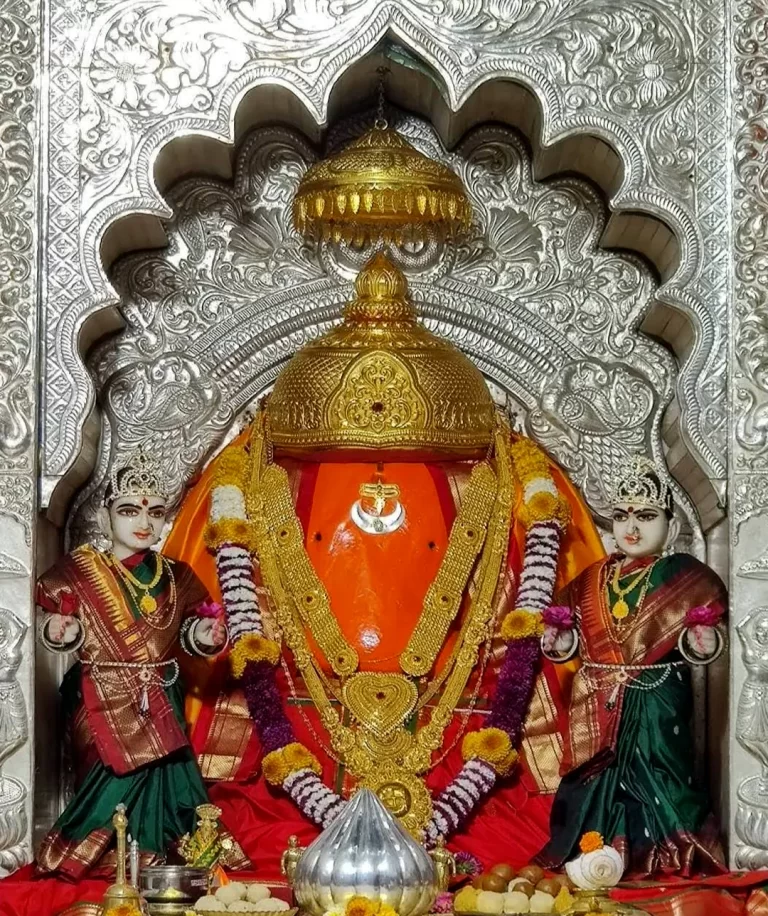
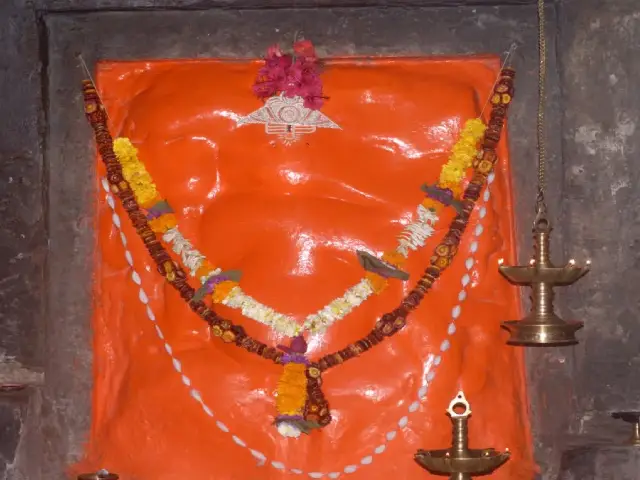
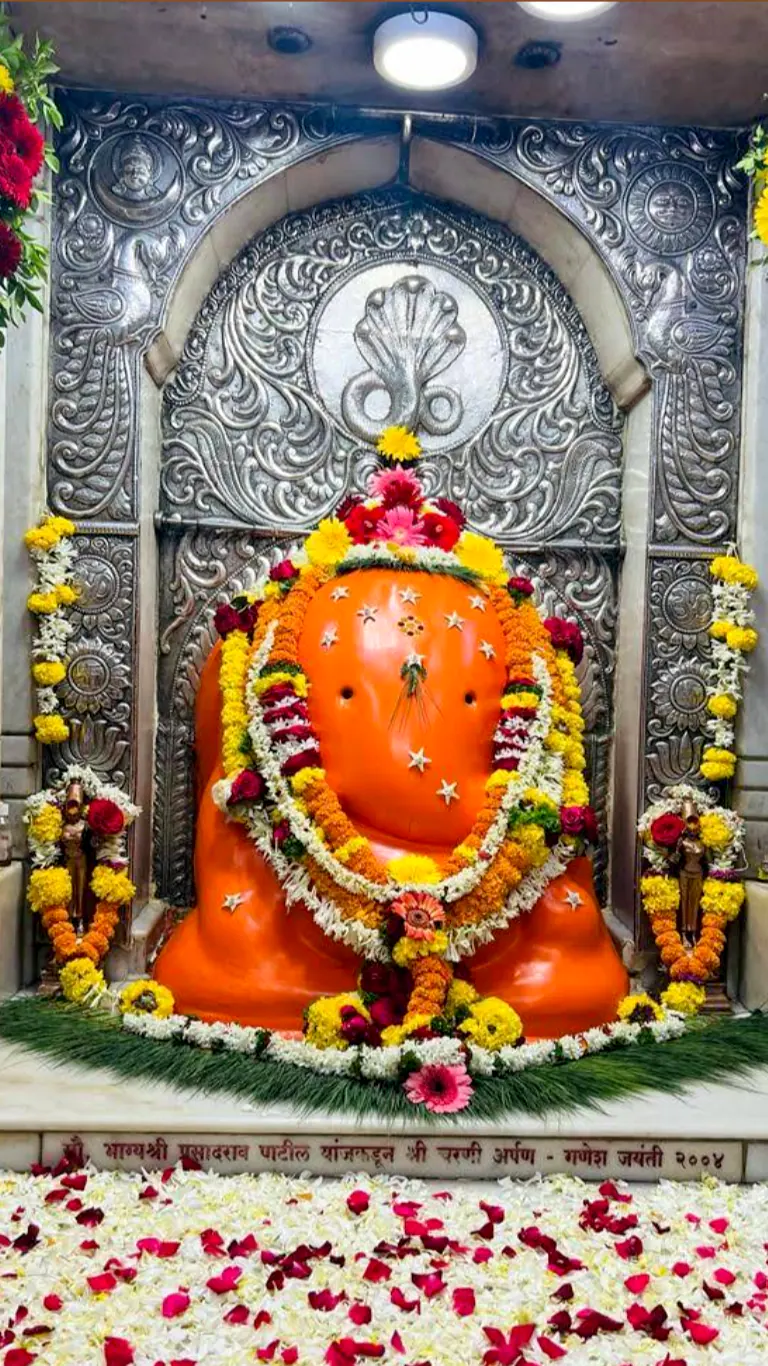

Ganesh Chaturthi Celebrations Across India
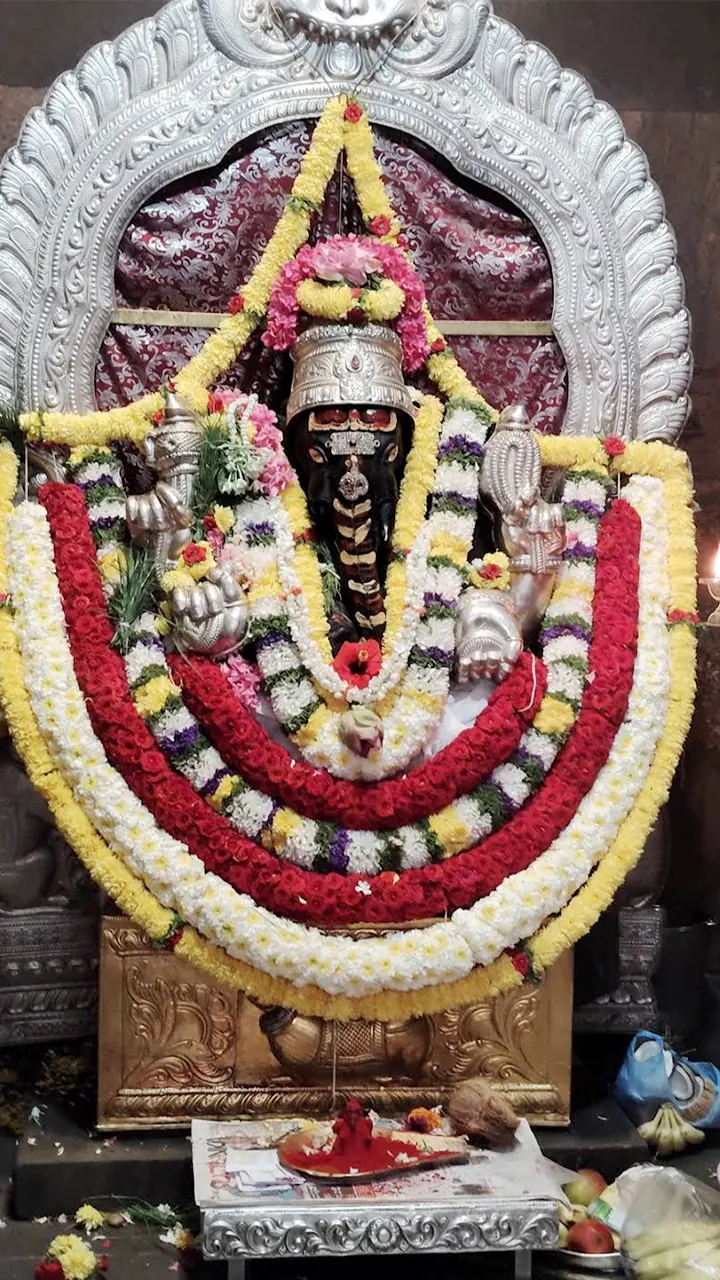
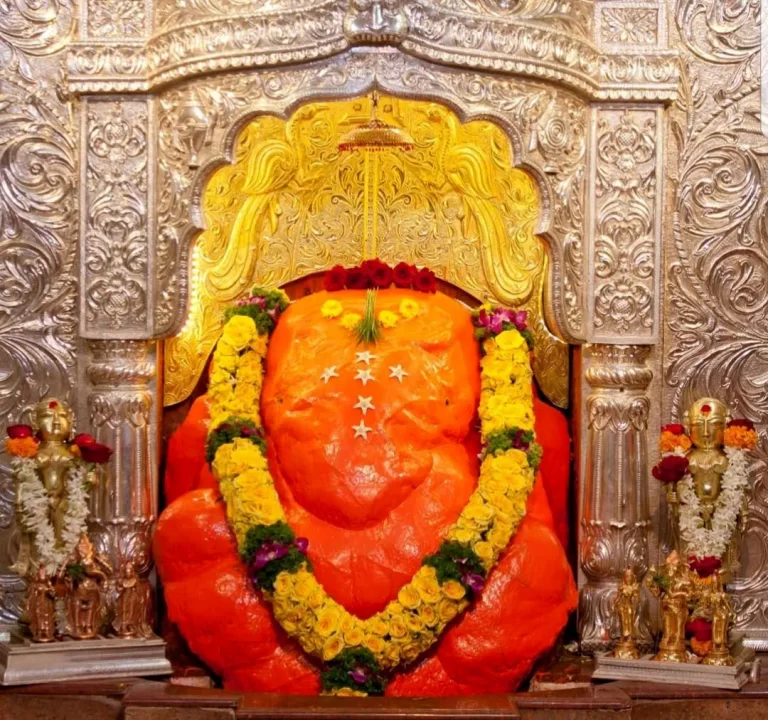
While the core reverence for Lord Ganesha is universal, India’s diverse regions celebrate the festival with distinct cultural expressions, local cuisines, and community traditions:
- Maharashtra and Goa: Celebrated with unmatched public energy. Streets resonate with the thunderous beats of dhol-tasha drum ensembles. Iconic community pandals like Mumbai’s Lalbaugcha Raja welcome millions of pilgrims. Homes prepare steaming batches of Ukadiche Modak.
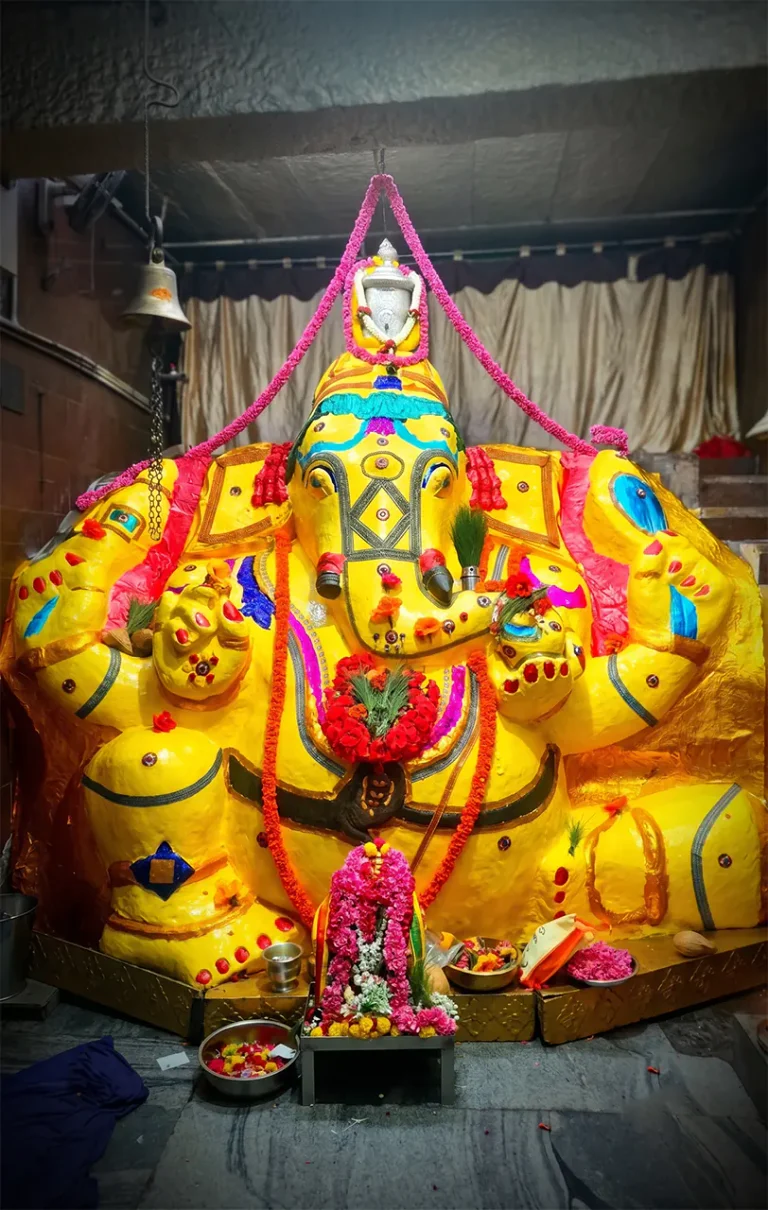
- Andhra Pradesh and Telangana: Known affectionately as Vinayaka Chavithi. Families collect 21 sacred leaves (Eka Vimshati Patra) from medicinal herbs and plants to perform the ancient Patri Puja. Famous colossal idols, such as the Khairatabad Ganesha in Hyderabad, draw enormous crowds.
- Karnataka: Often begins with Gowri Habba on the preceding day, celebrating Goddess Parvati (Gauri) welcoming her son Ganesha. Women observe traditional prayers for household well-being, sharing Obbattu (sweet stuffed flatbread) and sprouted salads.
- Tamil Nadu: Known as Vinayagar Chaturthi. Families craft small, unpainted clay idols with umbrellas made of folded colored paper. Delectable Kozhukattai (sweet coconut and savoury spiced dumplings) are offered to the deity.
- Gujarat and Rajasthan: Devotees welcome Ganesha with traditional folk dances like Garba and Dandiya in evening pandal gatherings, offering churma laddus and rich dairy sweets.
The Rise of Public Ganesh Festivals (Sarvajanik Utsav)
While Ganesh Chaturthi had been celebrated inside homes and royal courts (such as under the Maratha Empire during Chhatrapati Shivaji Maharaj and the Peshwas), it transformed into a massive public phenomenon in the late 19th century.
In 1893, Indian freedom fighter and social reformer Lokmanya Bal Gangadhar Tilak recognized the festival’s potential to bring people together. The British colonial government had passed anti-assembly laws prohibiting political gatherings of more than twenty people. However, religious festivals were exempt.
Tilak transformed Ganesh Chaturthi from a private domestic ritual into a Sarvajanik Ganeshotsav (community festival). Large public pandals were erected, featuring theatrical plays, patriotic speeches, classical musical performances, and intellectual debates. The festival became an open platform where people of all castes, classes, and backgrounds sat side by side, creating a shared sense of dignity and national unity that helped power the Indian independence movement.
What to Avoid During Ganesh Chaturthi
To keep your celebrations peaceful, respectful, and joyful, keep the following considerations in mind:
- Do Not Discard Nirmalya in Trash: Avoid tossing spent puja flowers, leaves, and cotton wicks into common household garbage bins. Place them into an organic compost pit or bury them beneath clean garden soil.
- Do Not Leave the Altar in Complete Darkness: Keep a small night-lamp or diya lit near the deity throughout his stay in your home.
- Do Not Use Artificial Chemical Colors or Toxic Idols: Avoid Plaster of Paris (PoP) idols that damage local water bodies and marine life.
- Avoid Harsh Loudspeakers: High-decibel loudspeakers disturb elderly neighbours, small infants, students studying for exams, and household pets. True devotion is measured by heartfelt prayer, not acoustic volume.
- Do Not Stress Over Perfection: Hindu ritual traditions emphasize Bhava (pure, sincere internal devotion) far above mechanical, rigid ritual precision. If you lack a specific item, offer clean water, fresh flowers, or simple folded hands with love.
Common Mistakes During Ganesh Puja (And How to Fix Them)
| Common Mistake | Why It Causes Problems | The Simple Solution |
| Purchasing items at the last minute | Leads to panic, inflated prices, and forgotten essentials on puja morning. | Keep your checklist ready and purchase dry samagri 3–4 days in advance. |
| Pouring water over a clay idol | Dissolves and damages unbaked raw clay before the festival even begins. | Sprinkle water lightly using a flower petal at the base of the idol. |
| Assuming rigid rules are universal | Causes unnecessary guilt or household arguments over different family customs. | Follow your own family elders’ customs with warmth and flexibility. |
| Ignoring local immersion rules | Pollutes civic drinking water reservoirs and violates municipal guidelines. | Immerse your clay idol at home in a clean bucket or at an eco-friendly community tank. |
| Neglecting the altar after Day 1 | Treating the sacred guest as a decorative artifact once the main feast is over. | Dedicate five peaceful minutes every morning and evening for simple aarti and fresh water offering. |
Simple Ganesh Chaturthi Puja for Beginners
If you are a student living away from home, a young couple setting up your first apartment, or simply short on time, you do not need an elaborate priest-led ceremony. Here is an authentic five-minute simple puja that anyone can perform with peace of mind:
- Prepare: Clean a small tabletop or shelf. Place a clean photo or small clay idol of Ganesha.
- Light: Light a small oil or ghee lamp and one incense stick.
- Invite: Fold your hands, close your eyes, and say:“Lord Ganesha, welcome into my home and my heart. Please bless my life with peace and wisdom.”
- Offer:
- Place a flower petal or a few grains of raw rice at his feet.
- Put a drop of water in a small cup.
- Offer a banana, fruit slice, or a piece of jaggery (Gur).
- Chant: Close your eyes and chant 11 times:“Om Gam Ganapataye Namah.”
- Conclude: Bow low, take the offered fruit as consecrated prasadam, and begin your day with confidence and joy.
Printable Ganesh Chaturthi Checklist
Use this practical checklist to keep your preparation organized and stress-free:
3 to 4 Days Before the Festival
- [ ] Reserve or purchase a natural unbaked clay (Mitti / Shadu) idol.
- [ ] Inspect and clean the puja chowki (wooden table) and altar area.
- [ ] Purchase dry samagri: Sandalwood powder, kumkum, turmeric, akshata rice, incense, camphor, janeu, cotton wicks.
- [ ] Stock cooking ingredients: Jaggery, fresh coconut, cardamom, rice flour/wheat flour, pure ghee.
- [ ] Procure a fresh red or yellow cloth to cover the altar platform.
One Day Before (Chaturthi Eve)
- [ ] Thoroughly clean and dust the entire home.
- [ ] Hang fresh mango leaf toran at the front entrance.
- [ ] Gather fresh puja items: 21 blades of clean Durva grass, hibiscus flowers, betel leaves, supari, and seasonal fruits.
- [ ] Prepare or buy modaks and laddus for the morning offering.
- [ ] Check your brass or silver lamps, oil, and wicks.
On Puja Day Morning
- [ ] Take a bath early and wear clean traditional clothing.
- [ ] Set up the wooden chowki, spread the yellow/red cloth, and make an akshata base.
- [ ] Respectfully place the Lord Ganesha idol on the altar.
- [ ] Light the ghee lamp and perform the 16-step or simplified puja.
- [ ] Offer naivedyam (modaks, fruits, panchamrit) and water.
- [ ] Sing the family Ganesha Aarti together and ring the prayer bell.
- [ ] Distribute prasadam to family members and neighbours.
On Visarjan Day
- [ ] Clean and prepare a large bucket or vessel with fresh water at home.
- [ ] Perform the brief concluding Uttara Puja and final aarti.
- [ ] Offer prayers of gratitude and ask for forgiveness.
- [ ] Gently nudge the idol forward to signal the journey’s start.
- [ ] Immerse the idol slowly in the water container.
- [ ] After complete dissolution, offer the mud and water to your garden plants.
Frequently Asked Questions About Ganesh Chaturthi
What is Ganesh Chaturthi?
Ganesh Chaturthi is an annual Hindu festival celebrating the presence and emergence of Lord Ganesha, the elephant-headed deity of wisdom, prosperity, and obstacle removal. It is celebrated across homes and public pandals with devotional singing, pujas, and festive foods.
Why is Ganesh Chaturthi celebrated?
The festival celebrates Ganesha as Vighnaharta (the remover of hurdles) and Prathama Pujya (the first-honoured deity). It offers devotees an opportunity to seek mental clarity, embark on constructive new beginnings, and cultivate spiritual non-attachment.
When is Ganesh Chaturthi celebrated?
It is observed on the fourth day (Chaturthi) of the waxing moon fortnight (Shukla Paksha) in the lunar month of Bhadrapada, which typically corresponds to August or September in the Gregorian calendar.
What is Vinayaka Chavithi?
Vinayaka Chavithi is the traditional name for Ganesh Chaturthi in South India, particularly across Andhra Pradesh, Telangana, and parts of Karnataka and Tamil Nadu. “Vinayaka” refers to Ganesha, and “Chavithi” denotes the fourth lunar day.
What is Ganesh Sthapana?
Ganesh Sthapana is the ritual invocation and installation of the Ganesha idol on a consecrated altar in your home or pandal, formally welcoming the deity as a revered household guest.
Which direction should the Ganesh idol face?
The idol should ideally be placed in the northeast (Ishanya), east, or north corner of the room. The deity should face east or west, allowing the devotee to face east or north while praying.
What is the difference between left-turning and right-turning trunks?
A left-turning trunk (Vamamukhi) is gentle, forgiving, and associated with moon energy (Chandra Nadi), making it ideal for home worship. A right-turning trunk (Dakshinabhimukhi) represents strict, fiery sun energy (Surya Nadi) and requires rigorous daily temple rites.
What essential items are needed for the puja?
At minimum, you need clean water, a lamp with oil or ghee, sandalwood paste (chandan), unbroken rice (akshata), flowers, fresh durva grass, fruit or a simple sweet (like modak or jaggery), and camphor for aarti.
Is Durva grass compulsory for Ganesh Puja?
While highly recommended because of its ancient scriptural association and cooling symbolism, it is not rigidly compulsory if unavailable. Sincere devotion, clean water, and pure intentions remain the foremost offerings.
Why are modaks offered to Ganesha?
Modak represents inner spiritual wisdom and joy (ananda). Its plain outer flour shell conceals a sweet coconut-jaggery center, teaching that quiet inner contemplation yields sweet spiritual rewards.
How many days should the idol be kept at home?
Household custom varies widely. Families keep the idol for 1.5 days, 3 days, 5 days, 7 days, or the full 10/11 days concluding on Anant Chaturdashi. Choose a duration that your family can support comfortably with regular prayer.
Is fasting mandatory on Ganesh Chaturthi?
No, fasting is entirely voluntary. Many choose to observe a light fruit-and-milk fast (phalahar) or eat a single vegetarian meal after the midday puja to cultivate focus and self-discipline.
Can I perform the puja myself without a priest?
Yes, absolutely. Classical Hindu texts state that personal devotion (bhakti) and sincere emotional surrender are far more pleasing to God than rigid ritual performance without feeling. Anyone can follow the simple 16-step guide at home.
What should not be offered to Lord Ganesha?
Traditionally, Tulsi leaves are not offered in Ganesha worship due to an ancient Puranic curse, except during specific regional observances like the Vinayaka Chavithi 21-patri puja. Non-vegetarian food, alcohol, and stale or pre-tasted food should never be placed on the altar.
What is Ganesh Visarjan?
Ganesh Visarjan is the concluding ritual where the consecrated clay idol is respectfully carried in procession and immersed in water, dissolving the physical form and releasing the divine presence back into the cosmos.
Why is the idol immersed in water?
Immersion illustrates that everything with a physical form (Saguna) eventually returns to the formless cosmic essence (Nirguna). It reminds us of universal impermanence and teaches peaceful detachment.
Can we immerse the Ganesh idol at home?
Yes. Immersing your unbaked clay idol in a large bucket or tub of clean water at home is an authentic, respectful, and eco-friendly method. The resulting mud can be placed into garden pots or around trees.
What are the benefits of an eco-friendly clay idol?
Clay idols (Mitti / Shadu mati) dissolve quickly and naturally in water without poisoning fish or releasing toxic heavy metals like lead and cadmium, safeguarding our rivers and lakes.
What happens after Ganesh Visarjan?
After Visarjan, the sacred festival concludes. The family cleans the altar, and the sanctified clay water is poured into household garden soil, carrying the deity’s blessings forward into nature and daily life.
Can we keep a permanent metal Ganesha idol on the altar?
Yes. Many families keep a small brass, silver, or stone Ganesha idol in their home temple year-round for daily worship. The temporary installation and immersion rituals apply specifically to festival clay idols brought for the Chaturthi celebrations.
What is the best time of day to perform Ganesh Chaturthi Puja?
The preferred time is during the Madhyahna period (midday, roughly between 11:00 AM and 1:30 PM, depending on local sunrise), which tradition identifies as the hour of Ganesha’s manifestation.