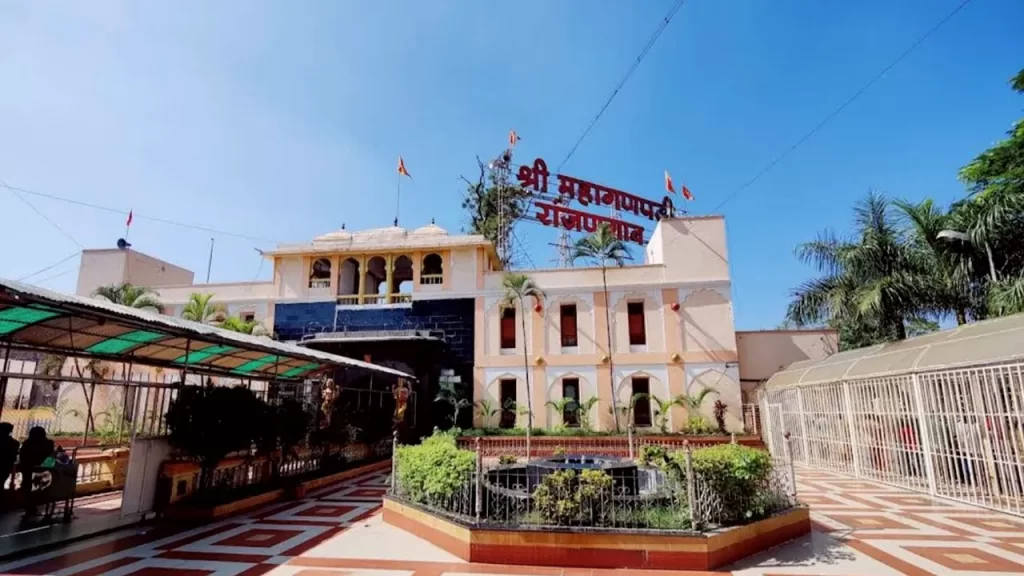
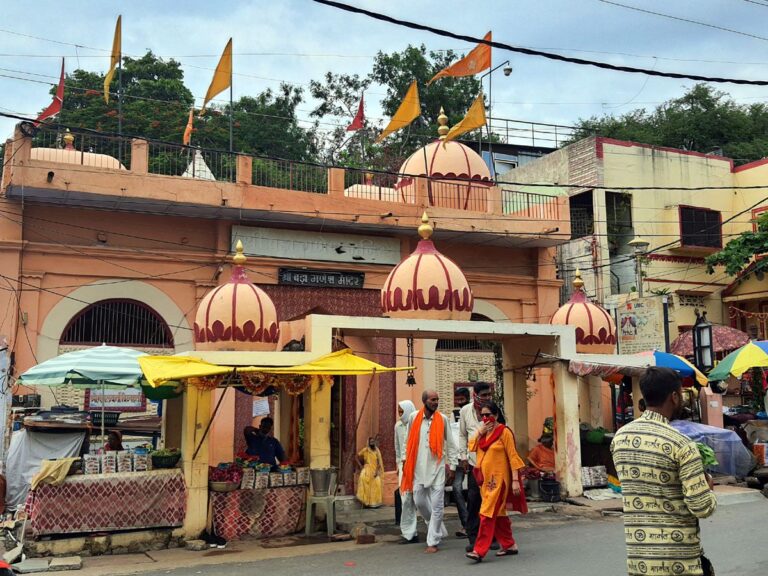
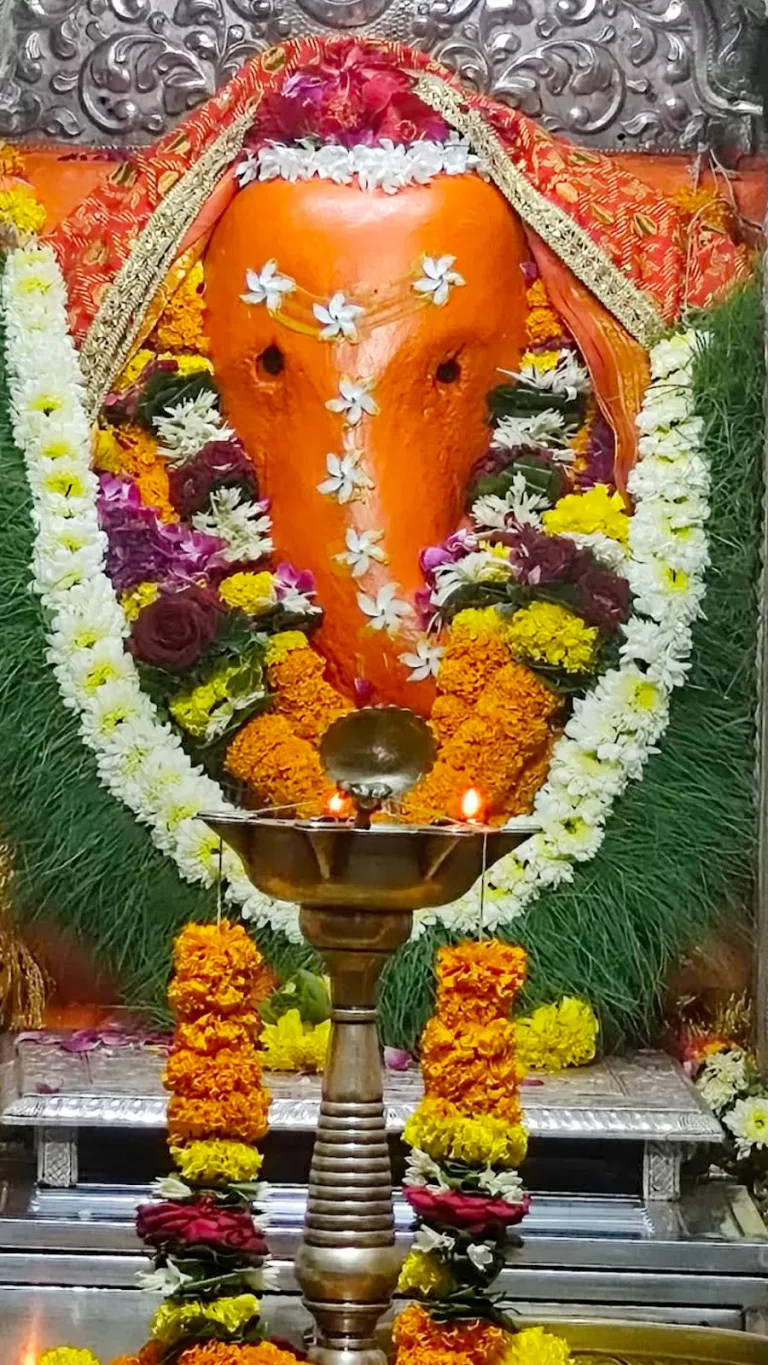
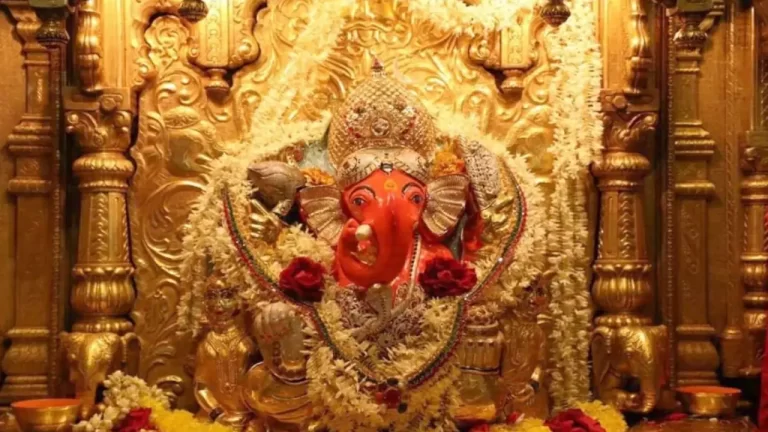
The Ranjangaon Ganpati Temple happens to be one of the most venerated temples in Western India. This temple is dedicated to Lord Ganesha, the god who removes all hurdles. This temple enshrines the Mahaganapati form of Lord Ganesha, which is very ferocious, strong, and majestic, symbolizing the supreme primordial form of Ganesha, before whom Brahma, Vishnu, and Shiva have to bow their heads. Thus, this temple has transformed the village of Ranjangaon into a bustling industrial town with a perfect blend of spirituality.
Significance and Uniqueness
What gives this temple its uniqueness? First of all, it has a very well-calculated astrological position. The temple has been made such that during the period of Dakshinayan (when the sun travels southwards), the early morning rays of sunlight fall on the face of the deity through the door of the temple.
In addition, the spiritual power is said to be entirely self-contained. While in other cities, people tend to take small idols made of clay back to their homes for worshiping during the Ganesh festival, the residents here have a rare tradition of not buying house idols. They consider the Ranjangaon Ganpati Temple to be their personal place for worship.
Target Audience
If you are an ardent devotee (bhakta) who has been performing the Ashtavinayak pilgrimage, a fan of history ready to find the architectural legacy left behind by the Maratha Peshwa emperors, or a casual traveler eager to learn about the rhythmic splendor of traditional Indian culture, this temple will definitely suit you.
In order to comprehend the essence of Ranjangaon Ganpati Temple, we need to go back into history when there used to live both gods and demons together on earth. The story associated with this temple starts with the name of an extremely powerful demon, Tripurasura. Tripurasura, as opposed to his name, was not an ordinary demon; instead, he was a son of sage Gritsamad who practiced intense austerities pleasing Lord Ganesha. This pleased the god so much that he granted him an immense boon of invincible flying golden, silver, and iron castles called Tripura.
However, the boon came with a restriction stating that the demon could only be killed by a single arrow shot by Lord Shiva himself. Egoistic in the sense of his strength and authority, he took control over all three worlds, pushing the gods off from their heavenly abodes. Even Shiva challenged him but failed to win the battle. Then came the reminder by cosmic sage Narada Muni: “Shiva, you did not worship Lord Ganesha at first.”
Instantly stopping his tracks, he sat at this very place and recited the Sankat Nashan Stotram that would summon Ganesh. Impressed with Shiva’s devotion, Ganesh appeared before him, giving him the ultimate missile weapon. In one divine shot, the flying cities were destroyed along with Tripurasura. It was because of the establishment of this god on this spot in memory of this great victory that this town got the name ‘Manipur’, meaning city of jewels, which eventually evolved into the name Ranjangaon.
Important Events and Dynasties
Although the myths of the temple can be traced to the time of the Satya Yuga, the current structure is well recorded in architectural history for the last thousand years. The architectural experts have traced the earliest foundations of the temple of Mahaganapati, Ranjangaon to the 9th and 10th centuries when the rulers of the Silahara and Yadava dynasties ruled this area.
Nevertheless, the most prolific period for the temple’s architectural growth came during the zenith years of the Maratha rule by the Peshwas. Shrimant Madhavrao Peshwa I is remembered as one of the most pious and astute kings of the entire Peshwa clan. He was an ardent devotee of Mahaganapati, whom he used to visit regularly before any military expedition seeking his blessings. It is to him we owe for building the strong and beautiful stone temple which houses the deity.
Many saints, military leaders, and affluent businessmen were patrons of the Ranjangaon Ganpati Temple through history. The Maratha sardars Malharrao Holkar, Mahadji Shinde, as well as Pawar family, used their private assets for the construction of the huge temple buildings.
The late eighteenth century marked an important year for this temple when the highly respected priest Anyaba Dev was chosen to perform daily worship duties and rituals of the temple, which have since then remained unchanged. Later, a thorough restoration was done by Sardar Kibe from Indore to preserve its ancient architecture.
Religious and Cultural Significance
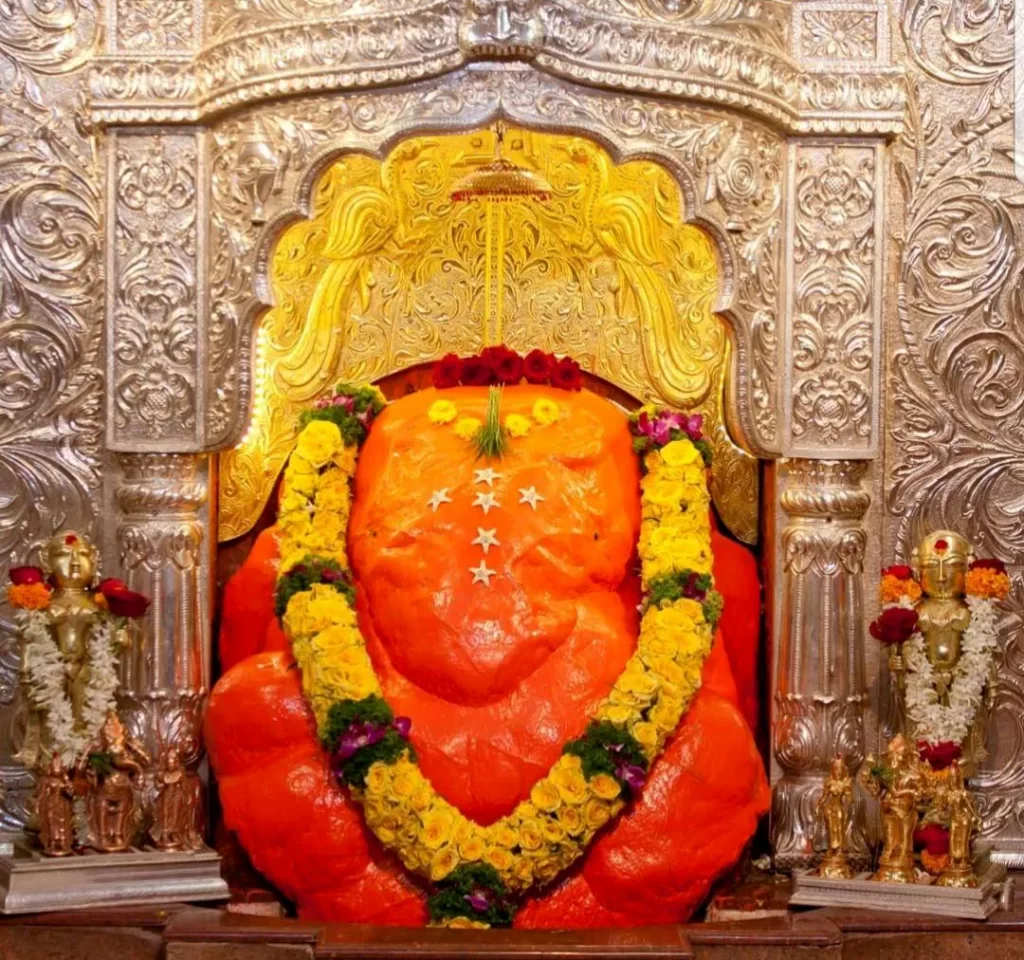
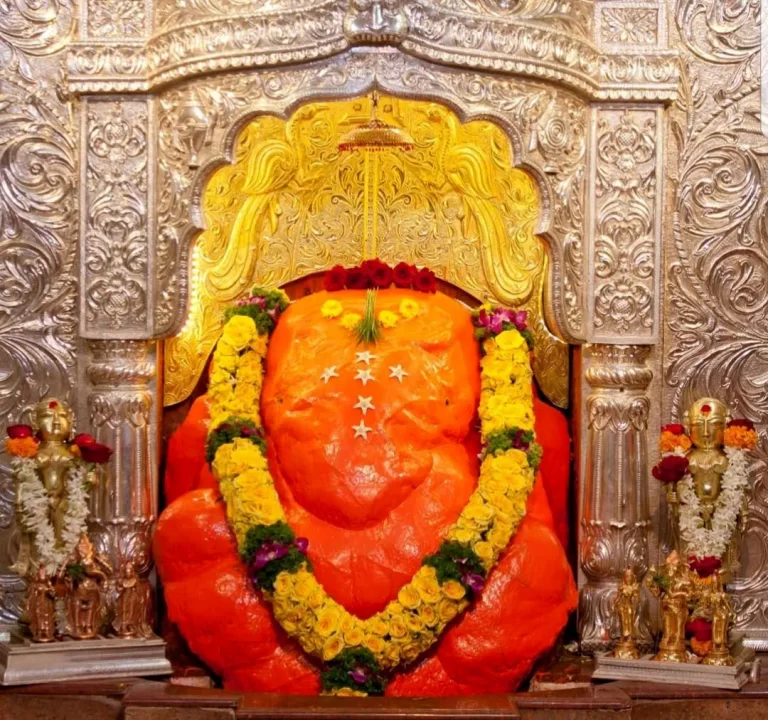
The Presiding Deity: Mahaganapati The deity who is worshipped here is Mahaganapati, an incarnation of Lord Ganesha and a manifestation of the supreme cosmic lord. Mahaganapati means “Great” or “Supreme.” In this incarnation, Ganesha, instead of being a lover of laddus, is the supreme protector of the universe, who rules everything that lies within.
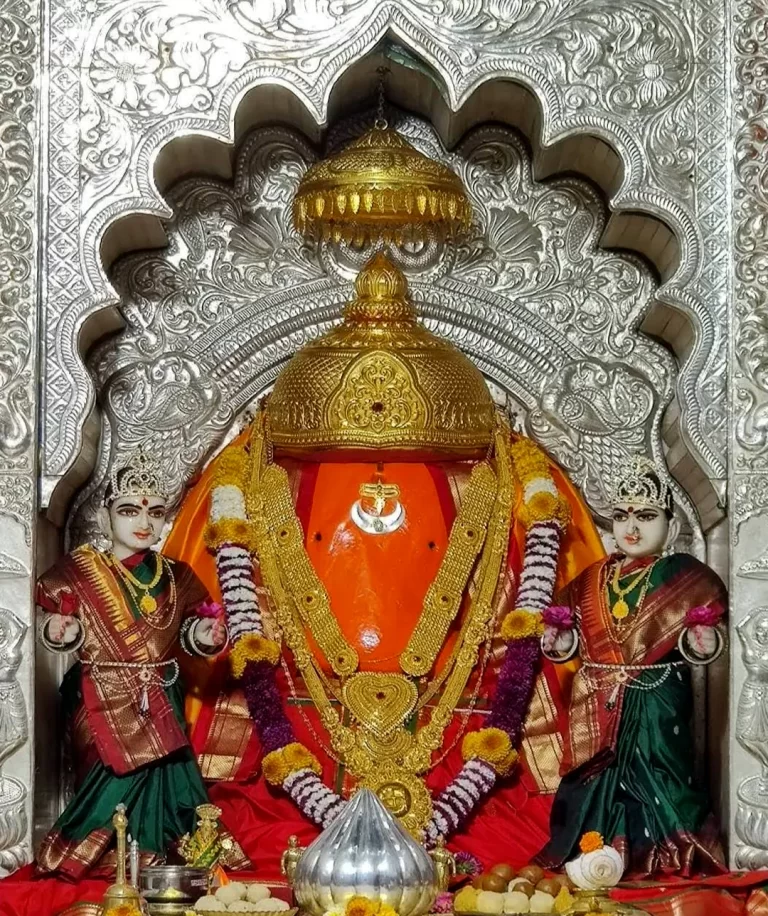
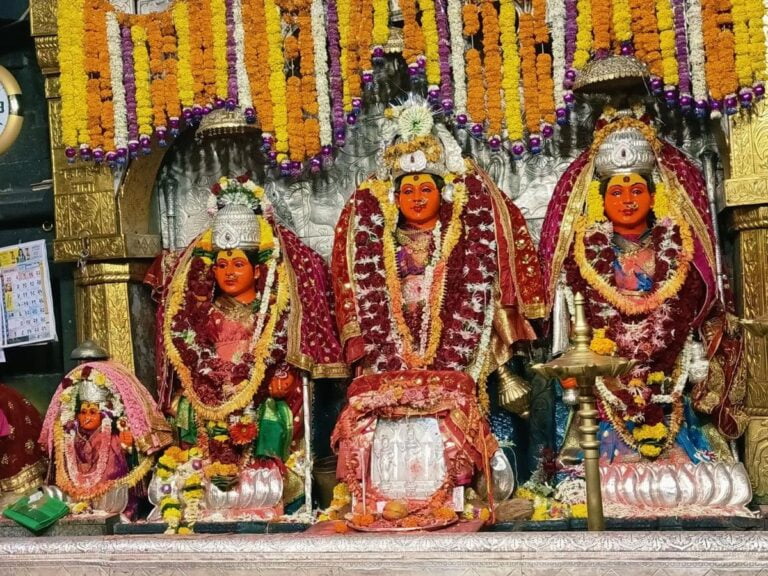
This self-manifested statue is seated comfortably in a cross-legged pose, facing the eastern direction. The statue has a broad forehead, and its trunk is twisted towards the left (Vamamukhi), which is believed to be very favorable to common people since this incarnation symbolizes peace, prosperity, and easily attainable divine grace. This deity has two brass idols of his wife, Riddhi and Siddhi, on each side of him.
Scriptures and Puranas Reference
But this is not all. The sanctity of Mahaganapati Temple at Ranjangaon finds clear mention in the sacred texts of Hinduism. The episode of Lord Shiva inviting Ganesha to Ranjangaon is narrated vividly in the Ganesha Purana (particularly the Upasana Khanda).
It is mentioned that the location from where Lord Shiva sat meditating was near the Bhima River Basin. The scripture states:
Tripurasura-vadharthe hi Shivena prarthitah puraa, Tatraiva samsthito devah sarva-vighna-vinashakah
Which can be stated as: “In ancient days, for the purpose of destroying the demon known as Tripurasura, Shiva worshipped Ganesha. At the very place, Lord exists who removes all the obstacles from the way of devotees.” As Lord Ganesh was being called out here by Shiva to kill the lord of three cities (Tripurari), he is also known as ‘Tripurarivade Mahaganpati’.
Festivals and Cultural Significance
The culture of Ranjangaon has been wonderfully woven into the daily life of the temple. The most important cultural celebration in terms of significance takes place for six days during Ganesh Chaturthi, which comes at the end of Bhadrapada, the month according to the Hindu calendar. In this period, the entire city gets filled with saffron flags, beats of drum (Dhol-Tasha) music and singing of bhajans continuously.
Architecture and Design
Architectural Style
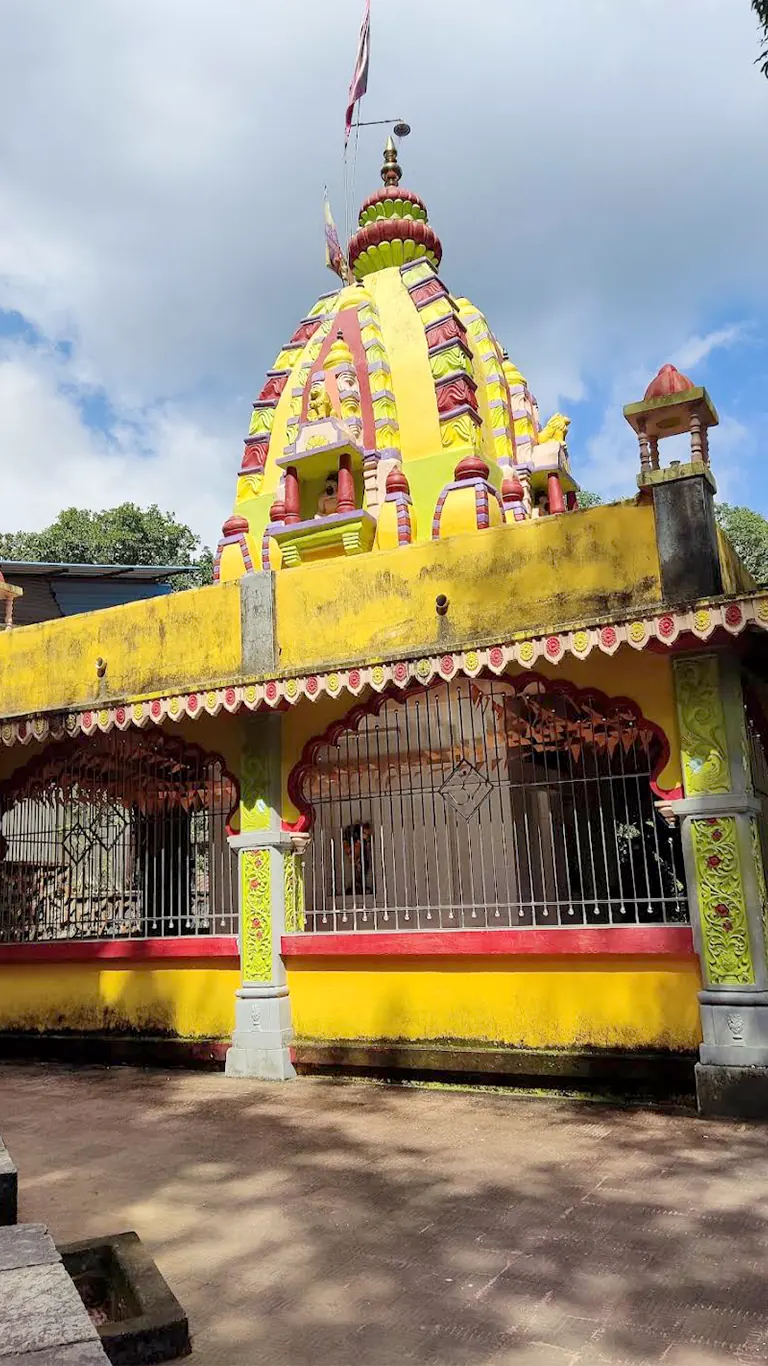
As far as the architectural aspect of the Ranjangaon Ganpati Temple is concerned, it is an extraordinary fusion of the traditional rock-cut stone architecture and late Maratha-Peshwa architecture. Although the earliest stone pillars represent the coarse and hefty designs of temples from the Western Indian region from the tenth century, the external walls, courts, and wood pillars represent the typical Peshwa style.
Architectural Element
Design Style / Period
Key Features
Main Entrance Gate
Peshwa Style (18th Century)
Guarded by Jaya & Vijay; houses the Nagarkhana.
Sanctum Sanctorum
Yadava/Early Maratha
Solid stone walls, designed for sun alignment.
Assembly Hall
Wooden Maratha Architecture
Large wooden pillars, spacious, open ventilation.
Shikhara (Spire)
Classic North-Western Nagara
Tiered structure decorated with small niches.
Some Important Architectural Details
Here are some important architectural details that I must point out to you as your guide:
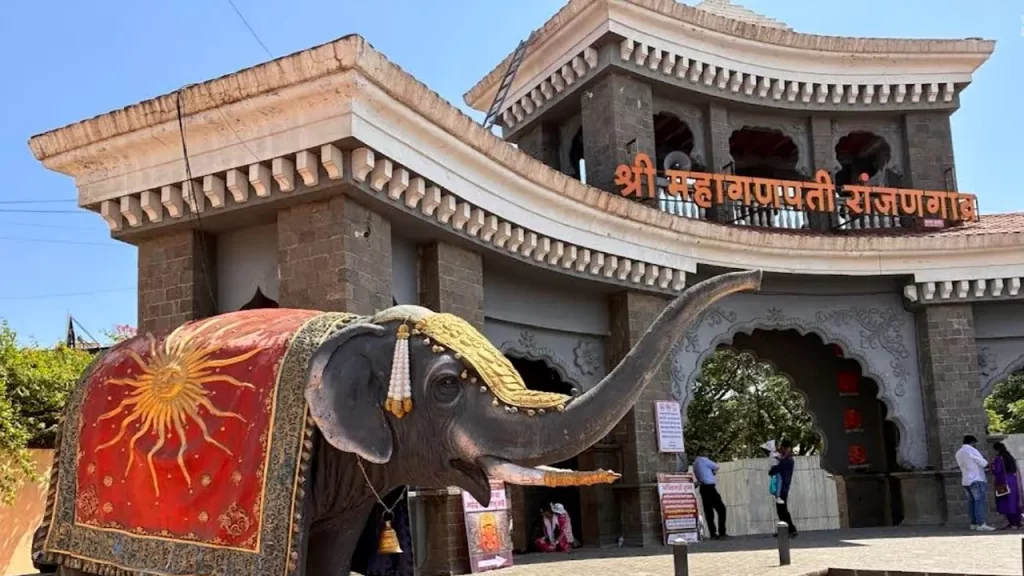
The Dwarapalas (Jay and Vijay): The majestic Eastern gate will have two gigantic lifelike figures of the celestial gatekeepers, Jay and Vijay. These are guarding the entrance and have a very dynamic appearance that welcomes those who have pure hearts while deterring any negative energies.
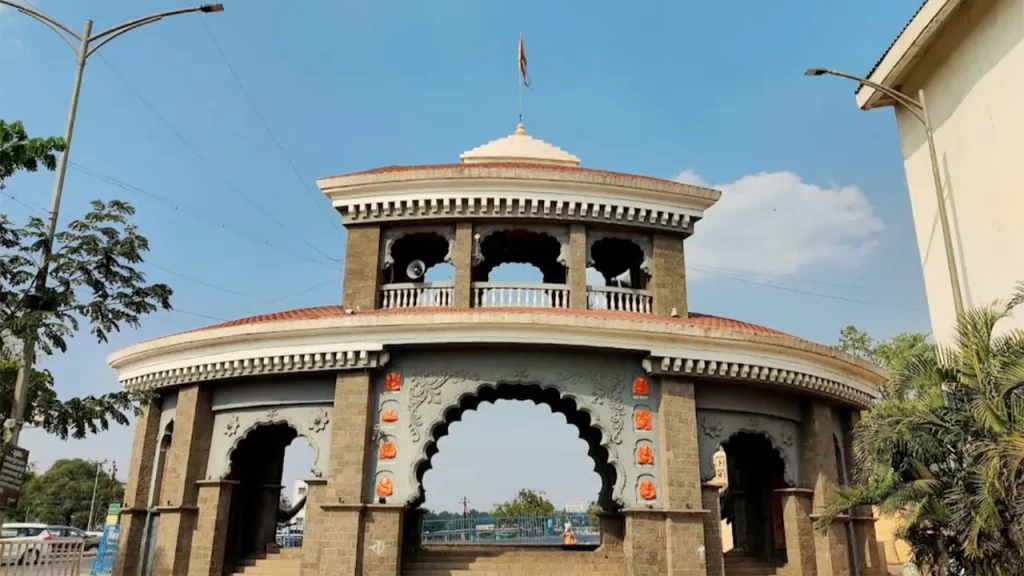
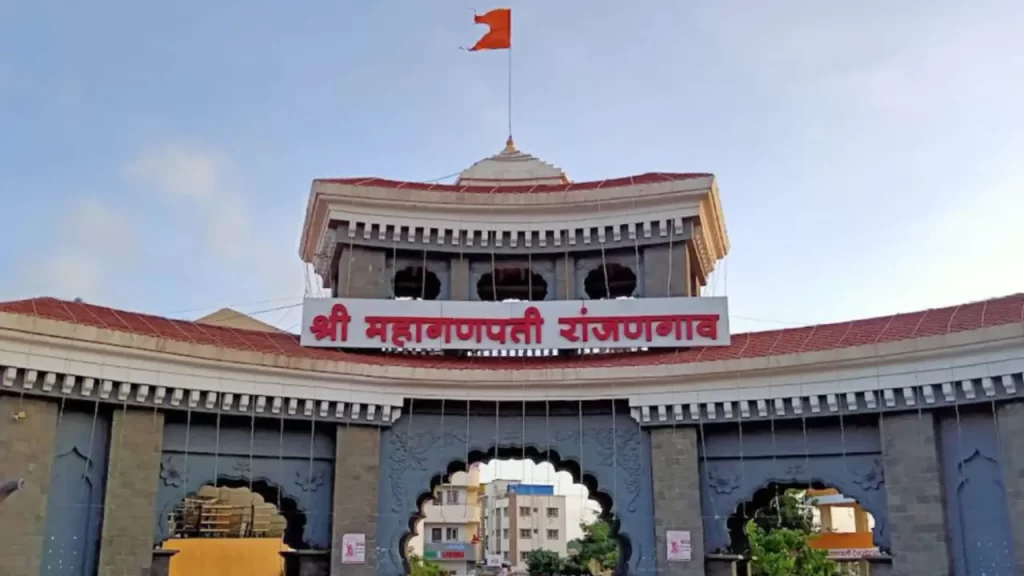
The Nagarkhana: On top of the gate stands a traditional drum house called a Nagarkhana. Traditionally, there were musicians who would play the Sanai and Ch चौघडा instruments during sunrise and sunset, thus signaling the timings for the royal Aarti. In 1997, the Nagarkhana was fully renovated.
The Solar Path: Notice how accurately the sunlight falls on Mahaganapati’s face. This accuracy of the 10th-century architecture ensures that in the months of Dakshinayan (winter solstice months), the morning rays of the sun fall right upon his face.
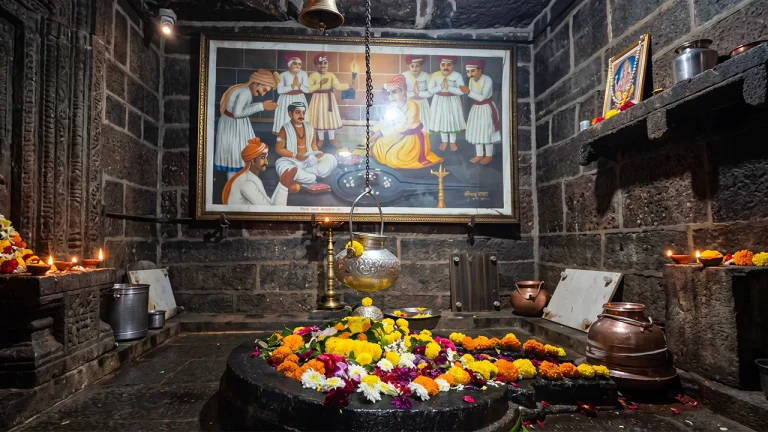
The construction of the main temple is made using dark, tough, locally available basalt stones (Krishna Shila), which are capable of resisting any amount of moisture as well as heavy footsteps for several centuries. The wood used for constructing the mandapam is seasoned teak wood. The symbolism behind this construction technique is that the human soul goes through an inward journey from its surroundings to find the divine light inside it.
Main Attractions or Highlights
The Sanctum Sanctorum (Garbhagriha)
The Garbhagriha, which is the most sacred part of the Mahaganapati Temple in Ranjangaon, is filled with the fragrance of burning camphor, fragrant sandalwood paste, and marigold flowers. Just as one approaches the entrance of the sanctum sanctorum, their eyes will be glued to the effulgent image of Mahaganapati. The walls surrounding the idol are made up of cold, thick stone and create a deep silence in the very center of the temple.
The Legend of the Hidden Idol (Mahotkat)
Here comes something very exciting and fascinating to hear from the locals of Ranjangaon. According to a very strong belief of the locals, the swayambhu idol of Mahaganapati that exists currently was built as protection for a far more ancient and more powerful idol.
It is believed that below the current temple sanctum lies another vaulted sanctum that houses the real original idol, named Mahotkat. This god is thought to have gigantic size, with 10 trunks and 20 hands emanating such a powerful spirit that he is kept in seclusion so that the people do not get spiritually intoxicated. Although the authorities at the temple deny the existence of any such underground shrine, the legend about Mahotkat keeps adding to the mystique of the temple.
Sub-Shrines and Other Surroundings
During your visit to the main temple, do not forget to visit the small temples dedicated to Lord Shiva, Goddess Parvati, and Lord Hanuman in memory of their presence there.
Mandapams and Inscriptions
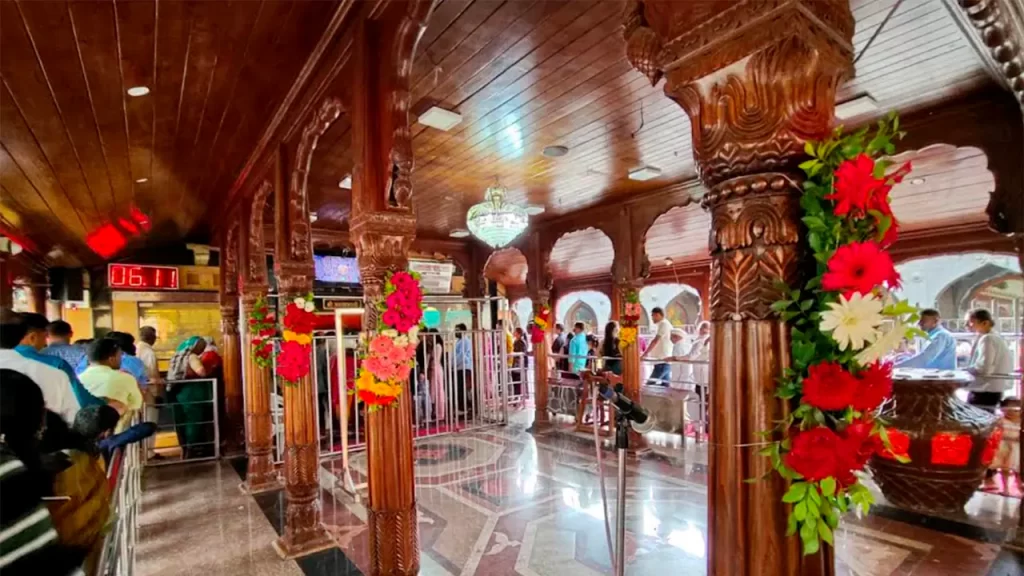
In the assembly hall (Sabhamandap), notice the large pillars where you may rest quietly and meditate. Watch out for some old stone inscriptions and carvings at the foot of these pillars about the donations of earlier times and the renovations of the temple made during the reign of the Marathas.
Ranjangaon Ganpati Temple Timings and Rituals
For one to fully realize the spiritual significance of the Ranjangaon Ganpati Temple, they have to align their visit with the historic, rhythmic rituals carried out in it daily. Below is a brief description of how a day in the temple looks like.
Opening & Closing Times
This historic shrine is opened for the public from as early as 5:00 AM to as late as 10:00 PM each day. This ample timeframe offers visitors enough leeway when planning their visit from either Pune or Ahmednagar.
Daily Worship & Rhythms
The daily activities in the temple include;
Prakshal Puja (5:30 AM): A day commences with a gentle bath and washing of the deity, cleansing of the sanctuary, and picking up of the previous day’s flowers.
Shringar Aarti (6:00 AM): It involves an Aarti ceremony that occurs as the deity is adorned with flowers, sandal paste, and colorful clothing attire.
Maha Puja & Naivedya (11:30 AM to 12:30 PM): A major worship ceremony that involves making a great offering (Naivedya) of freshly cooked rice, pulses, vegetables, and local Maharashtrian sweets to the Lord.
Sajja Aarti (10:00 PM): The final prayer ceremony carried out just before closing the temple gates.
For a personalized ceremony conducted for your family, the temple offers some amazing poojas which can be arranged via the official Devasthan trust as follows:
Abhishek: A holy bathing ritual involving bathing of the representing God/ Goddess with milk, curd, honey, sugar, rose water and chanting of vedic mantras by the priests.
Sahastravartan: One of the most powerful and beneficial ceremonies where the Ganesha Atharvashirsha text is read out 1000 times by a team of priests generating great positivity and mental clarity for the individual.
Satyavinayak Pooja: Just like Satyanarayan pooja, a pooja performed for thanking Lord Ganesha for the fulfilment of a particular wish or to harmonize new surroundings for the individual.
A Very Important Guide Note: It must be noted that anybody can make arrangements for an Abhishek or a Sahastravartan ceremony but the common followers cannot enter the Garbhagriha and touch the main idol due to strict rules followed by the priests for protecting the divine nature of the ancient stone.
Etiquette and Dress Code
There are no hard and fast strict dress codes. But considering the fact that you would be visiting a place steeped in old culture and tradition, you must ensure that you are wearing neat traditional Indian clothing.
For Men: Preferably wear Kurta-pyjama/dhotis, although jeans with a simple t-shirt will do as well.
If you love vibrant crowds and high spiritual energy, you must plan your visit around the temple’s two major annual festivals:
Ganesh Chaturthi (Bhadrapada Utsav)
This festival takes place in either August or September. This is a very colorful six-day festival, during which the entire temple is adorned with exotic orchids, marigolds, and an amazing lighting system. During the fifth day of this festival, a huge “Mahaprasad” is arranged by the trust where a large number of pilgrims are given food. The main attraction of this festival is the Palki Procession, during which the festive idol of Mahaganapati is put into a beautifully designed Palanquin.
Ganesh Jayanthi (Maghi Chaturthi)
This festival takes place in either January or February, that is, in the month of Magh. According to the Puranic calendar, this is the birthday of Lord Ganesha. This is a very sacred occasion, when people undertake rigorous spiritual austerities and fast whole day long. A large number of pilgrims observe their fast and come to attend the midnight Aarti ceremony.
Unique Practices: Ganesh Yaag
Every month, during Vinayaki Chaturthi, the Devasthan Trust conducts a grand Ganesh Yaag. It is an elaborate process of fire offering (Havan) wherein herbs, ghee, and modaks are offered in the fire accompanied by chants of complex Vedic mantras. The viewing of Ganesh Yaag is known to dissolve all life obstacles for good.
Crowds and Timing
Strategically speaking, if you want a peaceful experience and the freedom to gaze at the deity without the intrusion of any security guards, stay away from Saturdays, Sundays, Tuesdays, and Sankashti Chaturthi days as they attract a massive crowd which may make you wait for anywhere between 2 to 4 hours.
Ideal days to visit: Wednesdays and Thursdays in the mornings (from 7:00 AM to 10:00 AM). You might just breeze through directly into the temple with a waiting period of less than 15 minutes.
Best time to visit: Definitely the wintery season from October to March when the entire region of Maharashtra has been rejuvenated with monsoon rains. The temperature here falls from 15°C to 28°C during this period.
Practical Traveler Information
First of all, it is essential to note that any pilgrimage needs to be well-planned. And here’s your practical cheat sheet for organizing a successful journey to the Mahaganapati Temple in Ranjangaon.
How to Reach
By Road (Best Choice)
It should be noted that Ranjangaon is located right next to SH-27, a high-quality road that links the cities of Pune and Ahmednagar.
From Pune: It is 50 km from Pune. You can rent an Ola or Uber, or even a personal vehicle. In total, the road distance will take about 1.5 to 2 hours.
By State Transport (MSRTC): There is a bus route available on every 15 or 30 minutes connecting Shivajinagar or Swargate Bus Stand in Pune with Ahmednagar, Shirur, and Aurangabad. Any bus will let you off right at the temple gate on the highway.
By Train
The nearest train junction is Pune Junction (PUNE), which links Pune with any city of India. The most comfortable way to travel once you reach the Pune station would be a taxi from Pune to the temple along SH-27 highway.
By Air
There is Pune International Airport (PNQ) in a distance of 45 km from the temple. From the airport, you can hire a direct prepaid airport taxi to Ranjangaon, which will get you there in roughly 90 minutes.
Entry Fees & Darshan Lines
General Entry: No Entry Charges. The general queue system is well-managed with fans and seating arrangements.
VIP/Darshan Pass Entry: On the day of some festive occasions, the temple authority may arrange a paid queue of quick darshan passes (which costs somewhere between ₹50-₹100) to facilitate the people who have kids or are running short of time.
Facilities Available
Food/Prasad: The temple trust provides one of the best facilities – that of Annapurna Bhojanalaya. Nutritious Maharashtrian vegetarian food meals comprising of puran poli, rice, dal, vegetables, etc., are offered free of charge (or at nominal charges of ₹20-30) between 12 noon and 2:30 PM.
Accommodation: If visitors intend to stay overnight at the Mahaganapati Temple to participate in 5:30 AM Puja, there is a well-managed Bhakt Niwas facility provided by the temple trust offering non-AC/AC rooms at very cheap rates. In addition, budget hotels and dhabas are located near the Pune-Ahmednagar highway.
Toilets/Washroom: Clean public toilets/washroom areas are available within the outer premises of the temple complex.
Accessibility to Elderly and Differently Abled Tourists
There have been commendable efforts on the part of the temple trust towards inclusivity. There is wheelchair accessibility throughout the premises, and that too with smooth ramps, all the way from the point where cars drop their passengers till the central courtyard of the temple. In case your elderly parents cannot stand in line, there is no problem as there is always the option of going to the main security office at the temple trust.
Please bear these cultural etiquettes in mind while planning your visit so that it becomes a memorable and enjoyable experience for all:
Dos
Take off your shoes at the dedicated shoe stand counter outside the main entrance before walking onto the temple stone floors.
Bring with you an offering basket (Pooja Thali). You may purchase one from the outside vendors. Usually, an offering basket has a coconut, fresh marigold flowers, durva grass (Ganesha’s favorite grass), and fresh modaks.
Maintain total silence while entering the main hall and going near the Garbhagriha to keep the spiritual concentration of other worshippers intact.
Don’ts
Avoid taking photos or making video recordings inside the holy premises of the temple. Even though you may take pictures of the outside gates, Gopuram, and courtyards, you are not allowed to use camera/mobile phones for taking pictures inside the main temple halls.
Avoid carrying any large leather material such as leather bags, belts, or big backpacks inside the main temple area. Leave your luggage at the hotel or your car itself.
Avoid smoking, chewing tobacco or littering anywhere within a 500 meters radius of the temple complex.
Nearby Attractions
But if you have made a trip to Ranjangaon, you may as well make a whole day out of it. After all, there are many more historic attractions located in the area of Pune and Shirur. So, here are some suggestions for other places that you might consider adding to your itinerary.
Theur Ganpati Temple (Chintamani) Situated around 38 km (approximately a 50-minute drive) from Ranjangaon, this is yet another extremely popular attraction as part of the Ashtavinayak Circuit. This temple celebrates Lord Ganesha as Chintamani, which literally translates as “remover of all mental troubles.” The temple itself is positioned next to the beautiful Mula-Mutha River and holds a lot of history regarding the last days of Madhavrao Peshwa.
Bhimashankar Jyotirlinga Temple For those willing to take an exciting journey into the Western Ghats, this temple is located around 110 km away. One of the 12 Jyotirlingas of Lord Shiva, the shrine itself is located right in the middle of an amazing wildlife sanctuary. Perfect to complement your visit to Ranjangaon as it is here that Lord Shiva prayed before destroying Tripurasura!
Local Industries and Agricultural Markets: Situated just beyond the spiritual area is the huge Ranjangaon MIDC, which is an extremely vibrant industrial area that houses big international industrial brands such as LG and Whirlpool. If you have time, make sure to visit the local village markets, where you can purchase real Maharashtrian agricultural products. Do not miss out on purchasing fresh figs (Anjeer), pure jaggery (Gul), and copper items.
Frequently Asked Questions (FAQs)
Below is a list of frequently asked popular queries made by pilgrims and fans who plan their trip to the Mahaganapati Temple, Ranjangaon:
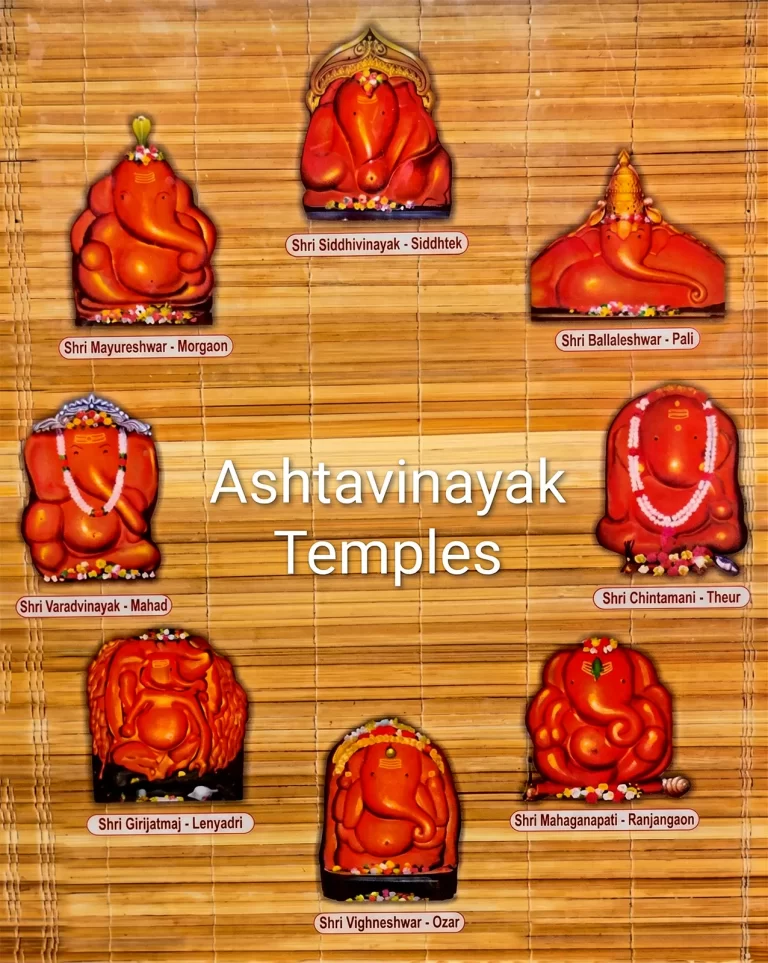
Q1: Is Ranjangaon Ganpati Temple the first or last temple in the Ashtavinayak Yatra? A: The Ashtavinayak Yatra is performed following the Shastrokta (scriptural) norms which mandate the start point of the ritual journey at the Mayureshwar Temple in Morgaon and its end at the same place. However, according to the geographical positioning and route map, the Mahaganapati Temple in Ranjangaon is the last of eight temples.
Q2: What is the reason why the residents of Ranjangaon do not purchase/install Ganesh idols in their homes during Ganesh Chaturthi celebrations? A: This is a very nice tradition based on sincere devotion. For the local people, the great Ranjangaon Ganpati Temple is not just a place of worship, but rather a home of the supreme ruler of their village. As they live in proximity to such a grand Mahaganapati, there is no need for them to install an idol in their private houses.
Q3: How much time do we need to spare for doing the Darshan at Ranjangaon? Answer: During normal weekdays like Monday, Wednesday, Thursday, you would not need to spend more than 15-30 mins on the line as people form a very fast-moving queue. But if the day happens to be an auspicious day, holiday, Tuesday or Chaturthi then expect crowds to swell tremendously and you could be there from 2 to 4 hours depending upon when you come there.
Q4: Do we have any online booking facility for poojas or donating money for the temple? Answer: Of course yes. The Shree Mahaganapati Devasthan Trust of Ranjangaon has well functioning administration and hence devotees may contact their official office for booking of various ceremonies that include Abhishek, Sahastravartan, buying of genuine silver coin stamped from feet of the deity, donation towards the Annupurna Bhojanalaya etc.
Q5: Are there any restaurants or stay places close by for temple visitors? Answer: Yes indeed. Bhojanalaya which is inside the temple complex is the cleanest and best place for having a traditional Indian lunch. Highway nearby is full of various dhabas which serve hot meals like Misal Pav, Bhakari Pithala along with regular Northern & South Indian food. For stays, the trust-run Bhakt Niwas offers safe, very low-cost rooms. For luxury stays, travelers generally prefer to drive back to major hotels in Pune city.
Conclusion
Now that we have reached the end of this complete guide about one of India’s oldest temples dedicated to Lord Ganesha, take a few moments to visualize the scene of the ringing of the brass temple bells, smell the aromatic fragrance of dhoop in the cool stone corridors, and gaze upon the serene face of Mahaganapati, illuminated softly by the oil lamps.
The Ranjangaon Ganpati Temple is not merely one more place to put a pin in your travel map. This magnificent shrine stands witness to the belief that, regardless of whether you are the strongest or mightiest of all—whether or not you are Lord Shiva—you will always require success from within the act of taking a break, humbling yourself, bowing down, and invoking the good luck energy of Lord Ganesha before engaging in battle.
From seeking blessings, to studying architectural feats of the Peshwa dynasty, to having a relaxing road trip in central India, the Mahaganapati Temple of Ranjangaon is bound to leave an impact upon your soul.
Thank you for choosing me as your virtual guide today! Book your tickets, pack your bags, and set off on an amazing journey towards the land of Ranjangaon.
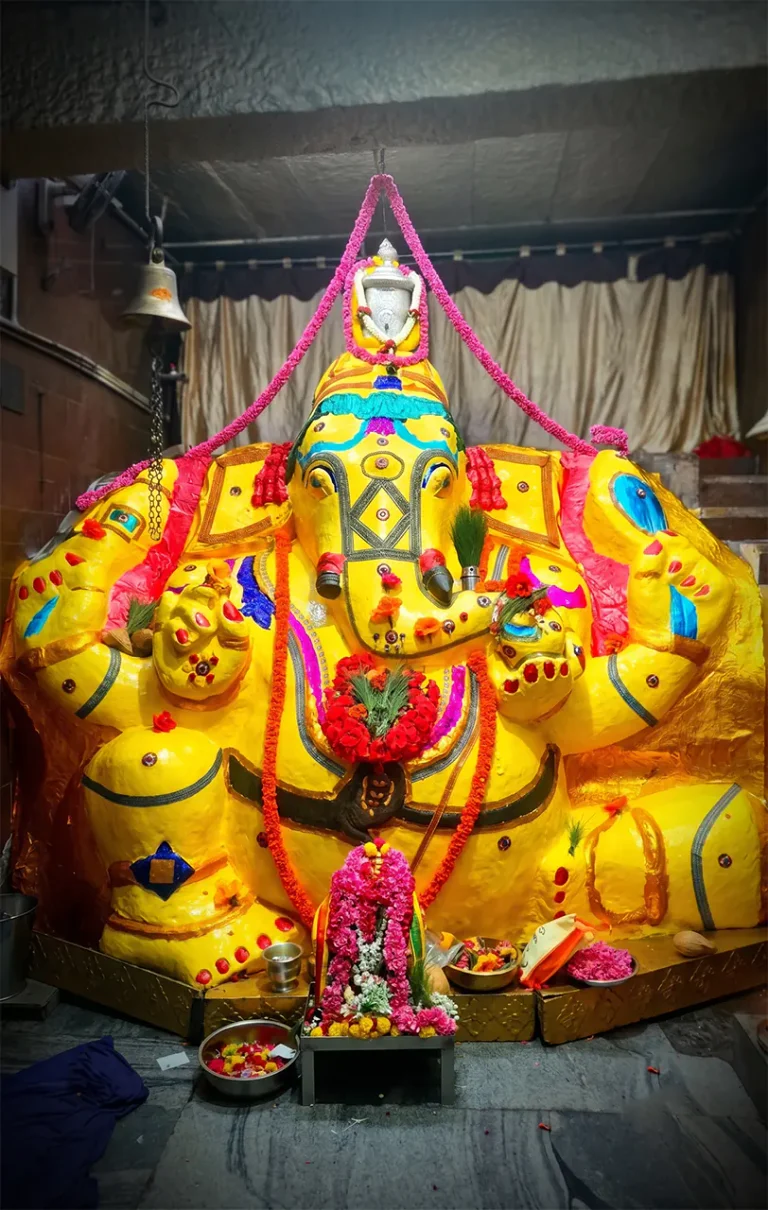
The historic Dodda Ganapathi Temple, located on Bull Temple Road in Basavanagudi, South Bengaluru, enshrines a massive 18-foot monolithic granite icon…