Bhuteshwar Mahadev Mandir Mathura: Complete Pilgrim Guide
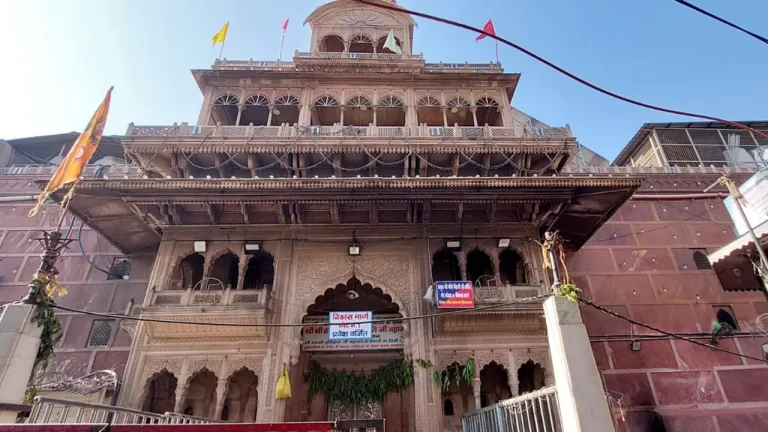
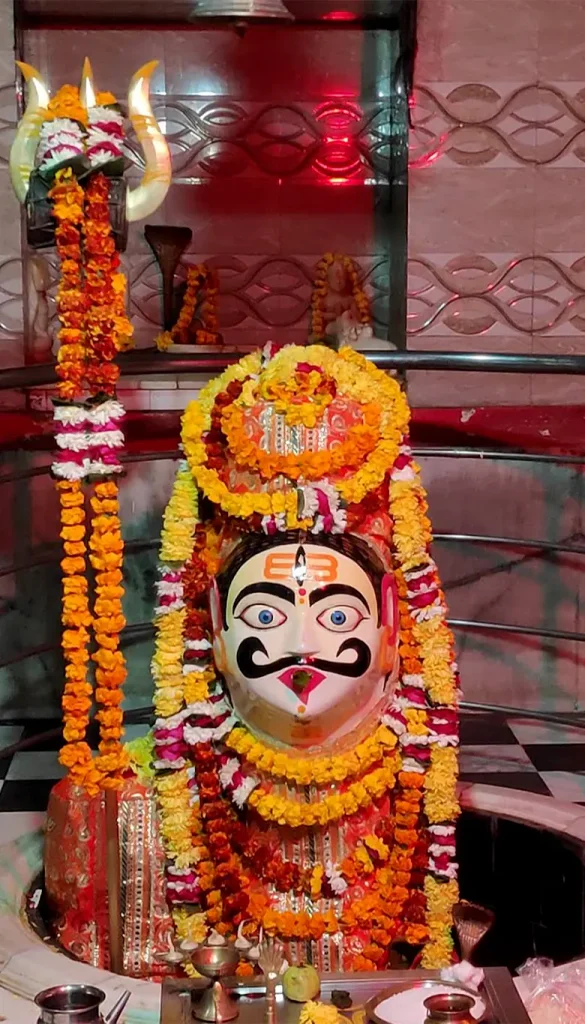
Bhuteshwar Mahadev Mandir in Mathura is an ancient Hindu temple dedicated to Lord Shiva, revered as the protective guardian deity (Kshetrapala) of the holy city of Mathura. Situated near the Bhuteshwar railway station, the temple houses a sacred self-manifested (Swayambhu) Shiva lingam and the revered underground shrine of Mata Patal Devi.
For centuries, pilgrims traveling to the sacred land of Braj have visited Bhuteshwar Mahadev to seek permission and blessings before beginning their circumambulation and temple visits. Below is a complete guide covering daily temple timings, aarti schedules, historical background, religious significance, and practical travel advice for your visit.
Quick Information: Bhuteshwar Mahadev Mandir
| Feature | Details |
| Temple Name | Bhuteshwar Mahadev Mandir (श्री भूतेश्वर महादेव मंदिर) |
| Main Deity | Lord Shiva (Bhuteshwar Mahadev / Kshetrapala of Mathura) |
| Associated Deity | Mata Patal Devi (Underground Sanctum) |
| Location | Bhuteshwar, Mathura, Uttar Pradesh, India (PIN: 281004) |
| Temple Timings | Morning: 5:00 AM – 1:00 PM | Evening: 4:30 PM – 10:30 PM |
| Morning Aarti | Mangala Aarti: 5:30 AM | Shringar Aarti: 8:00 AM |
| Evening Aarti | Sandhya Aarti: 7:00 PM | Shayan Aarti: 10:00 PM |
| Entry Fee | Free entry for all visitors; no paid VIP darshan tickets |
| Best Time to Visit | October to March; Mondays of Shravan month; Maha Shivratri |
| Nearest Railway Station | Bhuteshwar Station (local trains, 500 m); Mathura Junction (approx. 3 km) |
| Nearest Airport | Agra Airport (approx. 60 km); IGI Airport New Delhi (approx. 160 km) |
| Dress Code | Modest traditional Indian attire recommended (shoulders and knees covered) |
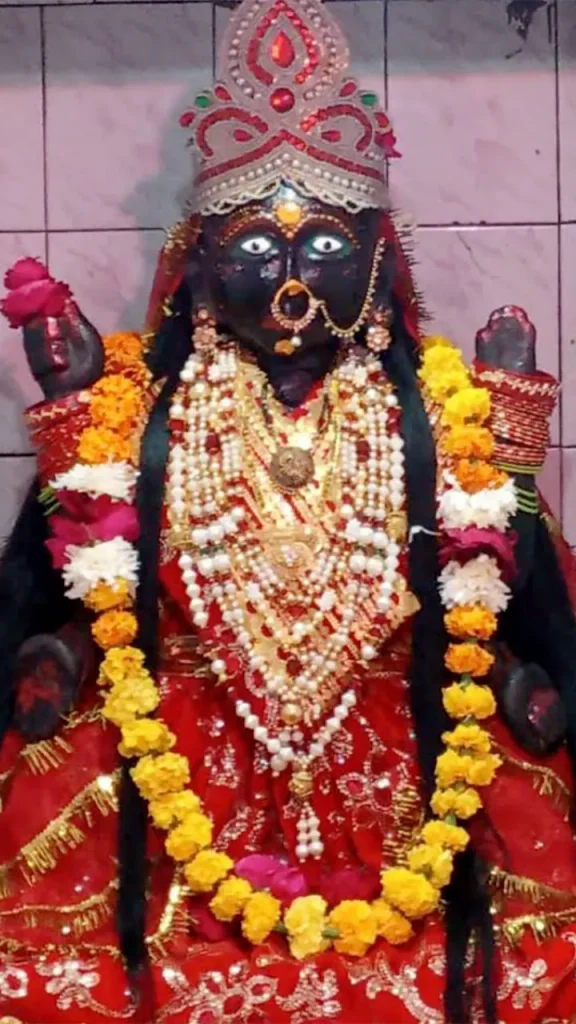
Spiritual Significance: Why Bhuteshwar Mahadev Protects Mathura
While Mathura is celebrated globally as the birthplace of Lord Krishna, regional traditions highlight that the holy city is guarded on all four sides by Lord Shiva. In Hindu tradition, Lord Shiva takes the form of a Kshetrapala—a divine protector who guards the sacred boundaries of a holy pilgrimage site (Kshetra).
Local tradition identifies Bhuteshwar Mahadev as the guardian of the western quarter and the primary protector of Mathura city. According to the Mathura Mahatmya, no pilgrimage to Mathura is traditionally considered complete without paying homage to Bhuteshwar Mahadev. Devotees believe that praying here removes negative energies, fear of untimely demise, and obstacles on one’s spiritual journey.
The Four Shiva Guardians of Braj Mandal
Bhuteshwar Mahadev is part of a revered protective quadrilateral of Shiva shrines established across the ancient borders of Mathura:
- Bhuteshwar Mahadev: Guards the Western boundary.
- Rangeshwar Mahadev: Guards the Southern boundary (near Kans Qila).
- Gokarneshwar Mahadev: Guards the Northern boundary (near Saraswati Kund).
- Pipaleshwar / Kameshwar Mahadev: Guards the Eastern boundary along the Yamuna riverfront.
Together, these four temples form the divine shield protecting the sacred soil of Braj.
Read More >> Why Do We Ring the Bell Before Entering a Temple? Shocking Truth
History and Legends of Bhuteshwar Mahadev
The Legend of Shatrughna and Madhuvan
One of the most popular legends associated with Bhuteshwar Mahadev comes from the Ramayana and regional Puranic lore. During the Treta Yuga, the region around Mathura was covered by the dense forest known as Madhuvan, ruled by the demon Lavanasura. Lavanasura terrorized local sages and hermits through the power of a divine spear granted to his father, Madhu.
Lord Rama dispatched his youngest brother, Prince Shatrughna, to liberate the region. Before confronting the demon, Shatrughna prayed to Lord Shiva for strength and protection. After vanquishing Lavanasura, Shatrughna established the foundations of the historic city of Mathura and dedicated his victory to Lord Shiva by honoring Bhuteshwar Mahadev as the guardian of the newly peaceful settlement.
The Sacred Shrine of Mata Patal Devi
Inside the temple complex lies a historic sub-shrine dedicated to Mata Patal Devi. According to local temple lore, this underground shrine dates back to the Puranic era. Devotees descend a narrow flight of steps within the courtyard to reach the subterranean sanctum. It is traditionally believed that King Kamsa worshipped at this shrine, and visiting both Lord Shiva and Mata Patal Devi within the same complex creates a balance of Shiva and Shakti energies.
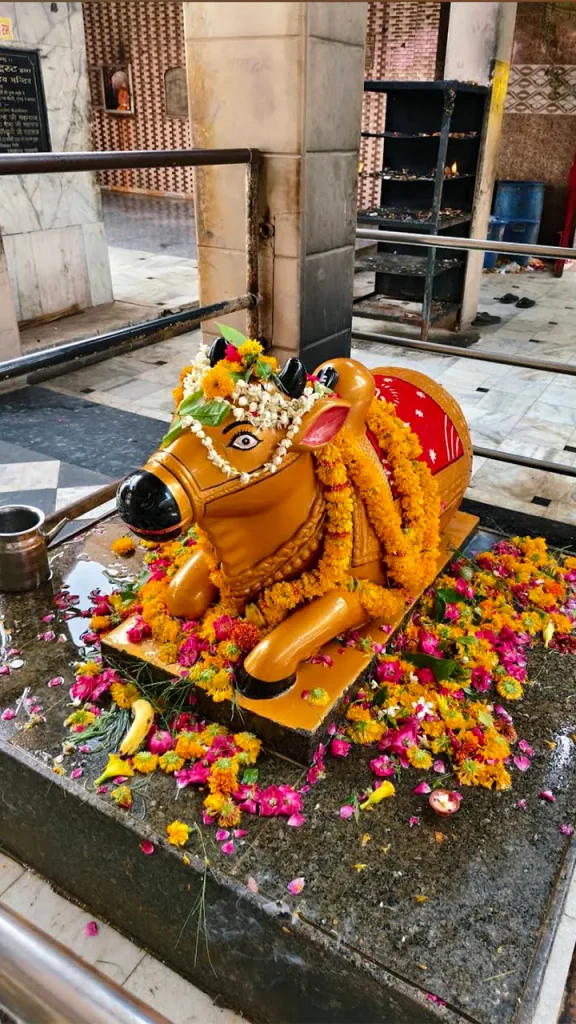
Architecture and Temple Layout
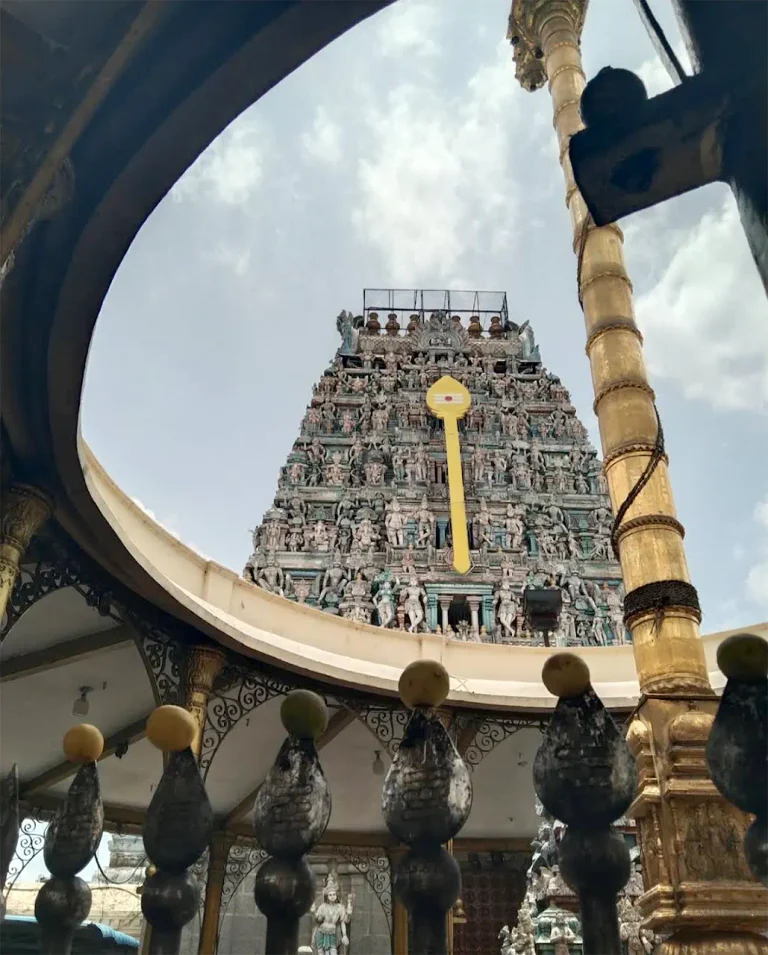
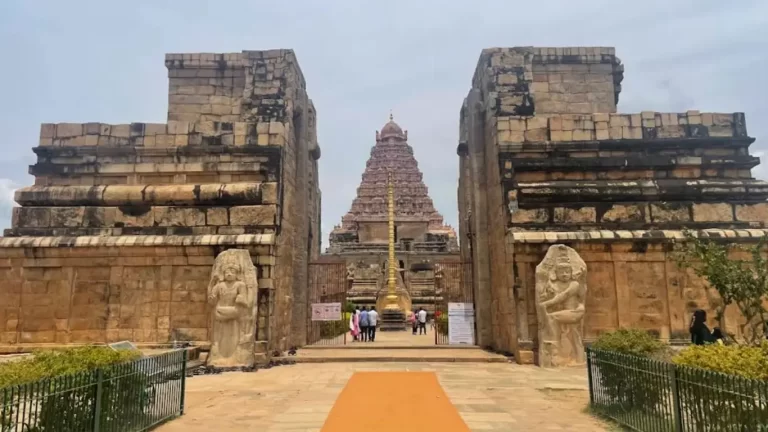
Bhuteshwar Mahadev Mandir features traditional North Indian (Nagara) temple architecture that has been renovated and maintained across different historical eras.
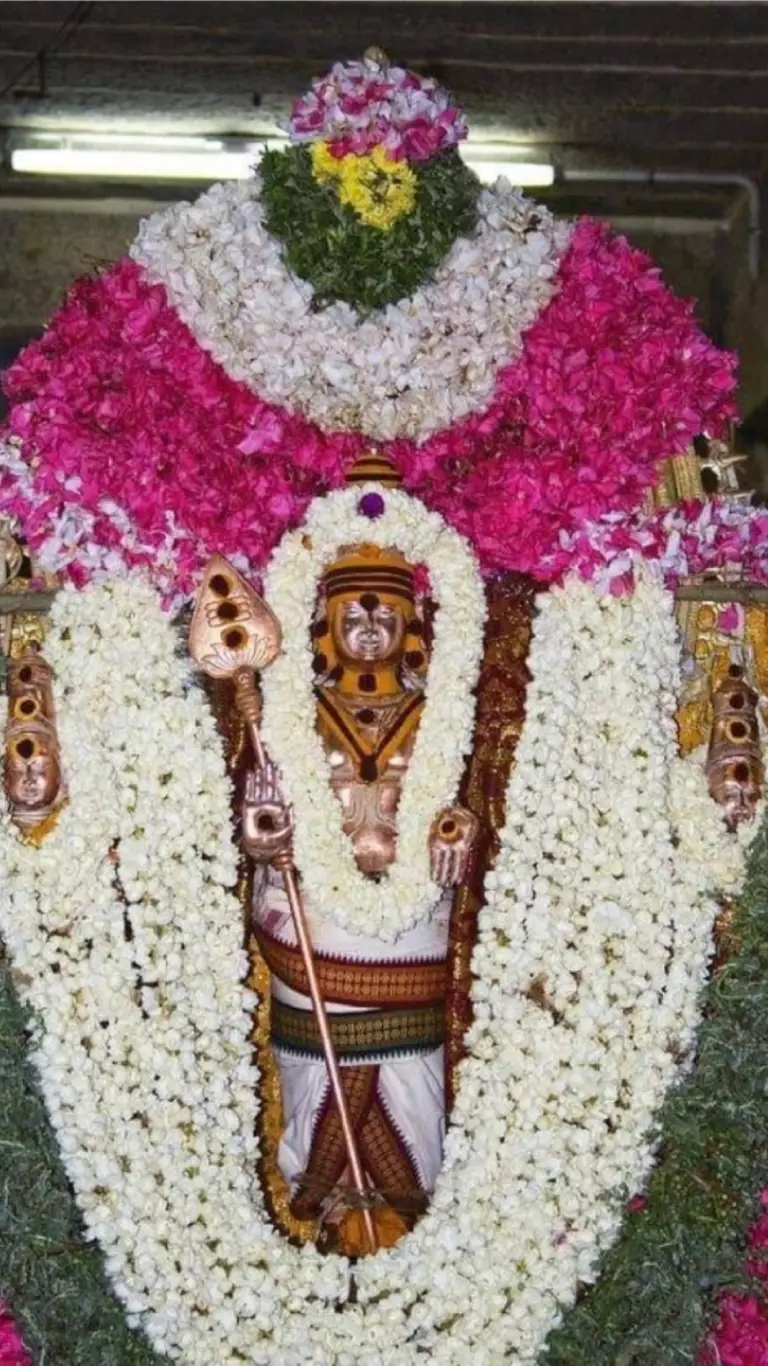
- The Main Sanctum (Garbhagriha): Houses the ancient, smooth black-stone Shiva lingam placed within an ornate silver Yoni base. A brass canopy hangs directly above the lingam, providing a continuous, gentle drip of holy Yamuna water and milk (Abhisheka).
- The Central Hall (Mandapa): A spacious, tiled hall where devotees sit to chant the Maha Mrityunjaya Mantra or participate in daily aarti ceremonies.
- Patal Devi Sanctum: Located on the lower level, this quiet, atmospheric cave-like room offers a direct experience of Mathura’s ancient underground architectural heritage.
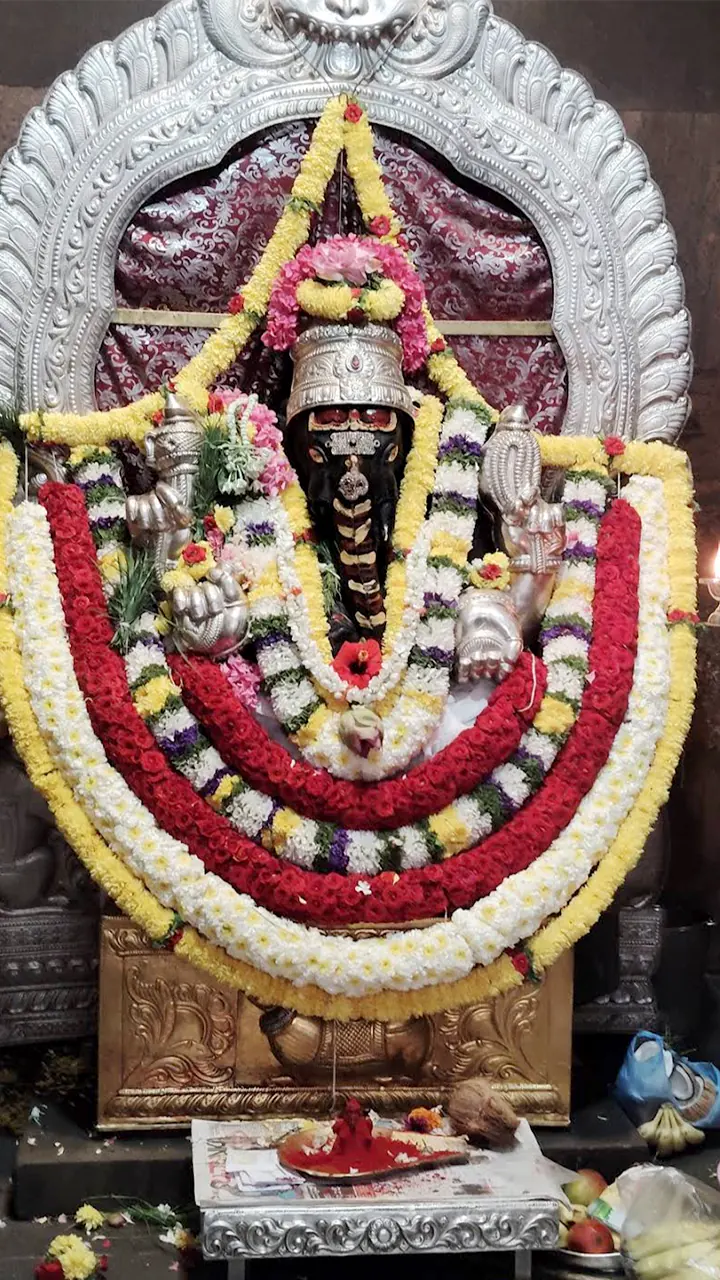
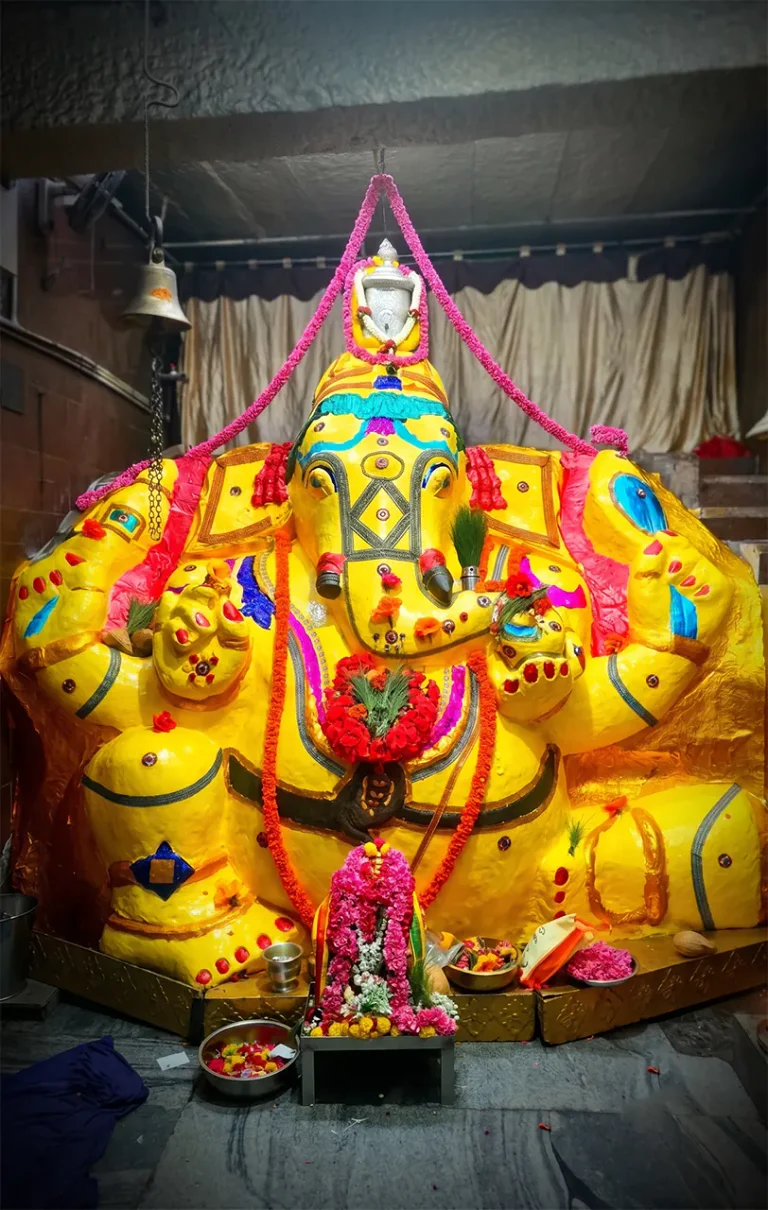
- Subsidiary Deities: The temple courtyard houses smaller shrines dedicated to Lord Ganesha, Goddess Parvati, Lord Kartikeya, Lord Hanuman, and the Navagrahas (nine planetary deities).

Read More >> Divine Nalambalam Temples Circuit: Complete 1-Day Guide
Temple Timings, Aarti Schedule, and Daily Rituals
The temple opens early in the morning and operates under a split-schedule customary for North Indian temples, closing in the afternoon for deity rest (Bhog and Vishram).
Daily Darshan Timings
- Morning Opening: 5:00 AM
- Afternoon Closing: 1:00 PM
- Evening Reopening: 4:30 PM
- Night Closing: 10:30 PM
Aarti Schedule
- Mangala Aarti: 5:30 AM (Performed at sunrise to awaken the deity)
- Shringar Aarti & Bhog: 8:00 AM (The lingam is adorned with flowers and sandalwood paste)
- Sandhya Aarti: 7:00 PM (Evening lamp ceremony accompanied by traditional bells and drums)
- Shayan Aarti: 10:00 PM (Closing aarti of the day)
Note: On special occasions such as Maha Shivratri and Mondays during the sacred month of Shravan, the temple doors remain open continuously for extended hours to accommodate long queues of pilgrims.
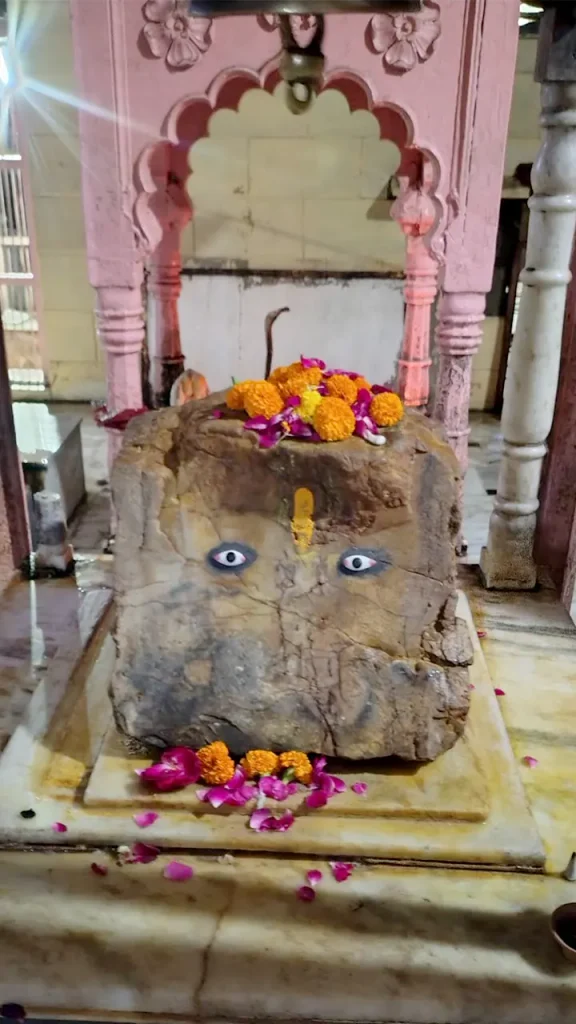
Major Festivals Celebrated at the Temple
1. Maha Shivratri
Maha Shivratri is the most significant annual festival celebrated at Bhuteshwar Mahadev Mandir. The temple is illuminated with colorful lights, and thousands of devotees line up from 3:00 AM to perform Jalabhisheka (pouring holy water) and offer Bel leaves, milk, honey, and curd to the Shiva lingam. Special four-phase night prayers (Chaar Prahar Puja) continue until dawn.
2. The Holy Month of Shravan (Sawan)
During the monsoon month of Shravan (typically July–August), the entire temple complex fills with devotional energy. Every Monday (Somwar), Kanwariyas (pilgrims carrying holy Ganga water on foot from Haridwar or Rishikesh) arrive in large numbers to offer holy water directly to the lingam.
3. Annakut and Diwali
During the post-Diwali celebrations in Braj, a grand feast (Annakut) is prepared where dozens of vegetarian dishes are offered to the deity and later distributed as prasad among visiting devotees.
Read More >> Azhimala Shiva Temple with 58 ft statue
How to Reach Bhuteshwar Mahadev Mandir
Bhuteshwar Mahadev Temple is centrally located in Mathura, making it easily accessible via road and rail.
- From Mathura Junction Railway Station (Approx. 3 km): Mathura Junction is the main railway hub connecting Mathura to Delhi, Mumbai, Jaipur, and Chennai. You can easily hire an auto-rickshaw or battery-operated e-rickshaw from the station exit to reach Bhuteshwar temple in 10 to 15 minutes.
- From Bhuteshwar Railway Station (Approx. 500 meters): This is a smaller local railway halt where select passenger and suburban trains stop. If your train stops here, you can easily walk to the temple gates in under five minutes.
- From Mathura New Bus Stand (Approx. 1.5 km): State transport and private buses arriving from Delhi, Agra, and Jaipur terminate here. E-rickshaws are available right outside the terminus.
- From Shri Krishna Janmabhoomi (Approx. 1 km): Bhuteshwar Mahadev is situated very close to the Krishna Janmabhoomi complex. Devotees frequently walk or take a three-minute rickshaw ride between these two sacred sites.
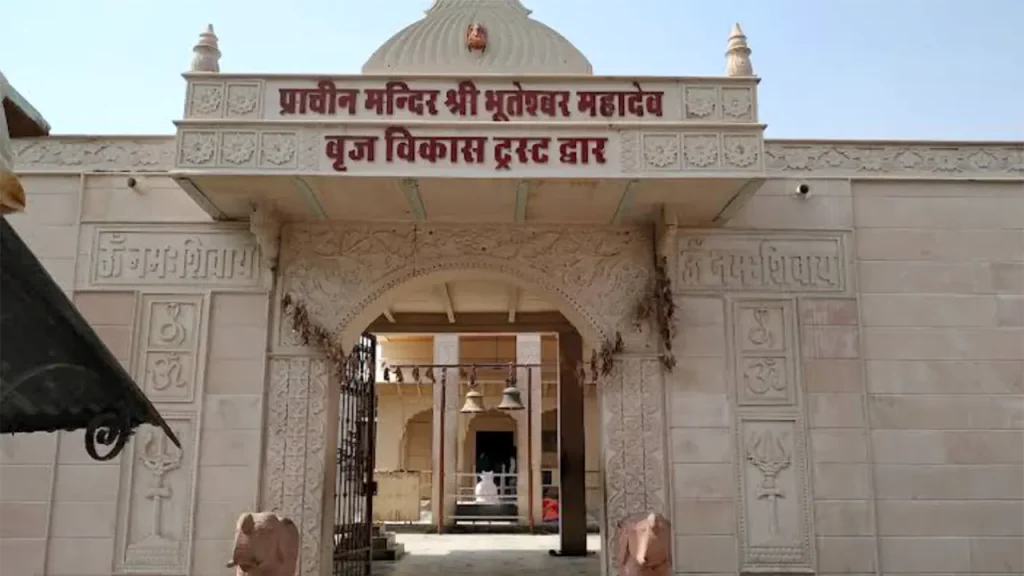
Visitor Tips, Etiquette, and Practical Advice
- Footwear Storage: Free footwear stands are operated by local shopkeepers and temple attendants near the entrance. It is customary to leave shoes and socks outside before stepping into the marble courtyard.
- Puja Offerings: Traditional puja baskets containing Bel leaves (Bilva Patra), raw milk, flowers, Dhatura, and sweets are available at reasonable prices from the authorized stalls outside the gate.
- Dress Code: While there is no rigid traditional dress mandate, visitors should dress respectfully. Devotees typically wear comfortable kurtas, sarees, salwar suits, or modest shirts and trousers.
- Managing Crowds on Mondays: If you prefer a peaceful darshan without long waiting times, plan your visit on Tuesday through Saturday mornings between 7:00 AM and 10:00 AM. Expect heavy lines on Mondays and festival days.
- Photography: Photography inside the inner sanctum (Garbhagriha) is restricted to maintain sanctity. Always ask the local priests before taking photographs within the temple courtyard.
Recommended One-Day Pilgrimage Itinerary in Mathura
To make the most of your spiritual visit to Mathura, you can easily visit Bhuteshwar Mahadev as part of a well-planned one-day city pilgrimage:
- Morning (7:00 AM – 9:00 AM): Begin your day with darshan and Jalabhisheka at Bhuteshwar Mahadev Mandir and pay respects at the underground Mata Patal Devi shrine.
- Mid-Morning (9:30 AM – 12:00 PM): Proceed to the nearby Shri Krishna Janmabhoomi Temple to visit the sacred birthplace sanctum (Garbha Griha) and the surrounding temple complex.
- Afternoon (12:30 PM – 4:00 PM): Enjoy a traditional vegetarian lunch of authentic Mathura kachoris and pedas, followed by rest while temples close for the midday break.
- Late Afternoon & Evening (4:30 PM – 7:30 PM): Visit the historic Dwarkadhish Temple on the banks of the Yamuna River, and conclude your evening by attending the illuminated Yamuna Aarti at the historic Vishram Ghat.
Frequently Asked Questions (FAQs)
What is the significance of Bhuteshwar Mahadev Mandir in Mathura?
Bhuteshwar Mahadev is worshipped as the Kshetrapala (divine protector) of Mathura. Tradition holds that Lord Shiva guards the western border of the city, protecting Mathura from spiritual and physical misfortune.
Are there entry tickets or VIP darshan fees at the temple?
No. Entry to Bhuteshwar Mahadev Mandir is entirely free for all devotees. There are no paid VIP tickets or online reservation counters; all visitors stand in the standard queue.
How far is Bhuteshwar Mahadev from Shri Krishna Janmasthan?
The temple is located approximately 1 kilometer from Shri Krishna Janmabhoomi. It takes approximately 5 minutes by auto-rickshaw or a 12-minute walk between the two temples.
What is the Mata Patal Devi shrine inside the complex?
Mata Patal Devi is a sacred underground shrine located within the Bhuteshwar temple complex. Devotees descend a small staircase to worship the goddess, whose presence represents the balance of Shiva and Shakti energies.
When does the temple get most crowded?
The highest footfalls occur during the Hindu month of Shravan (Sawan), particularly on Shravan Mondays, as well as on the auspicious night of Maha Shivratri.