1 Thriprayar Sree Rama Temple
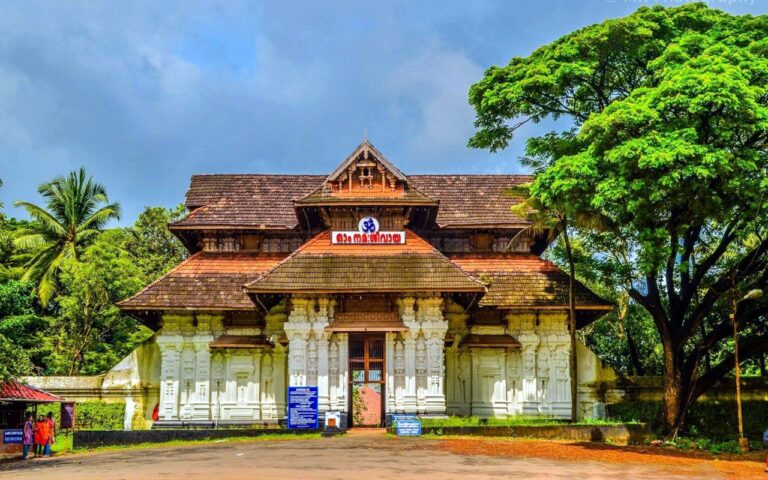
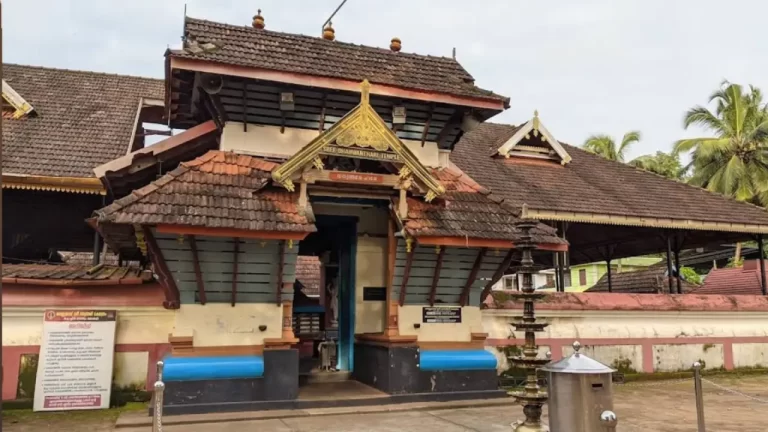
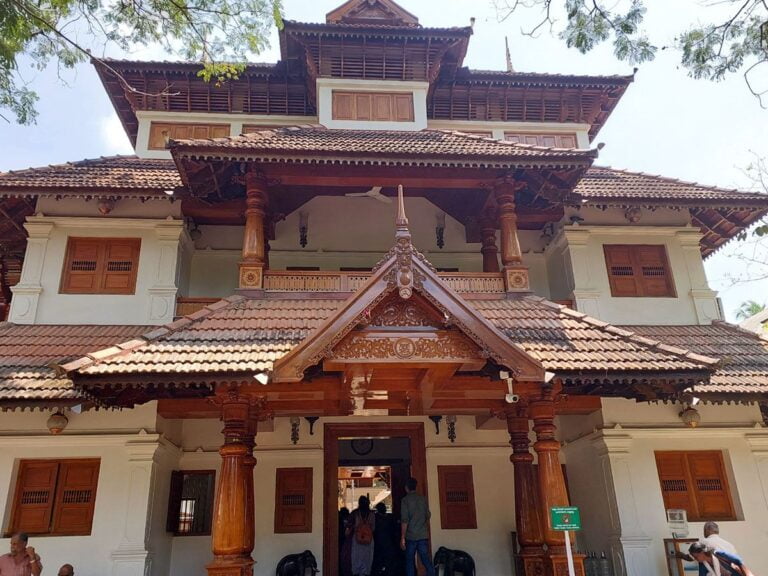
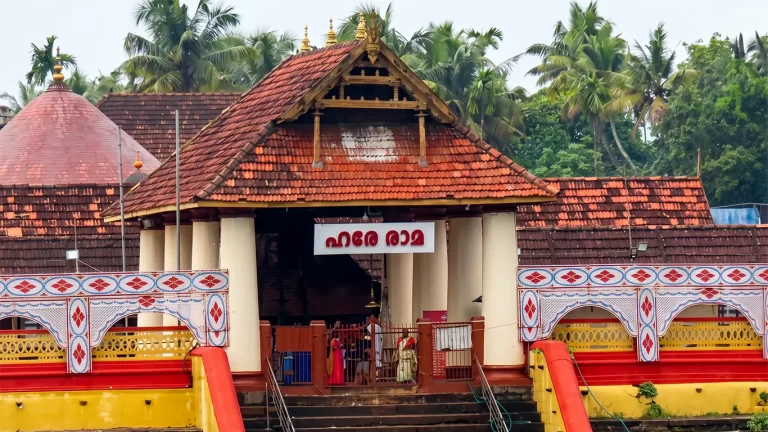
Thriprayar Sree Rama Temple, which is situated in the very center of Triprayar in Thrissur District of Kerala State, India. Being a professional guide, who visited hundreds of temples all over Southern India, I am sure that this temple is a unique creation of people’s dedication, architectural skillfulness and durability of time.
Location and Scenic Layout
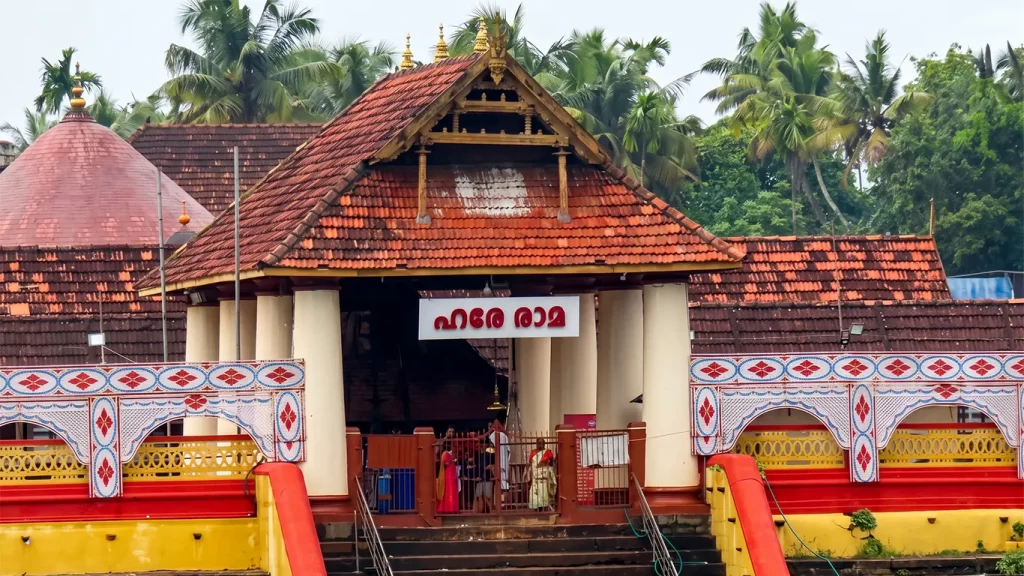
The location of the temple is in a beautiful geographical area bordering on the banks of the calm Theevra River (nicknamed by some locals as Purayar and Karuvannur River). This village of Triprayar is conveniently located within the heart of the central coast region of Kerala, putting it within reach but at the same time away from industrialized areas.
The first impression upon approaching the temple will be how well human construction mixes into nature. This is evident from the constant breeze from the river rustling the leaves of the old banyan trees.
Significance and Target Audience
How does the Thriprayar Sree Rama Temple qualify as the crown jewel of spiritual sites in Kerala? First of all, it is the leading temple of the very special pilgrimage known as Nalambalam, which comprises four temples representing four brothers of the Ramayana epic.
It doesn’t matter whether you are a die-hard devotee or not – if you are fond of arts, you’ll marvel at the magnificent woodwork of the Thriprayar Temple; if you are a historian, you’ll spend hours exploring the history and folk legends linked with the place; and if you are a tourist, you’ll enjoy spending some time on the stone steps descending to the river in peace and contemplation.
Thriprayar Temple History and Sacred Legends
No corner of the Thriprayar Sree Rama Temple is free from historical value, mythical or factual. In order to learn how this shrine became so venerable, we should go back in time through many thousands of years of legends and history recorded in texts.
The Legendary Discovery of the Four Idols
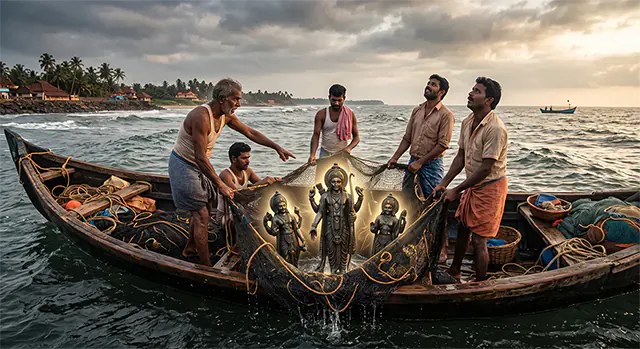
The legend regarding the Thriprayar Sree Rama Temple is like a beautiful mythological adventure tale. As per the local traditions deeply entrenched, the four-armed stone statue that is worshipped in the temple sanctuary was not sculpted by human hands for the particular purpose. Rather, it was consecrated and worshipped by Lord Krishna in the age of Dvapara Yuga in his own city of Dwaraka.
At the time when Lord Krishna fulfilled his purpose on Earth and went to Swargarohana, the whole city of Dwaraka was drowned completely in the Arabian Sea. Along with the whole city of Dwaraka, the statues of Lord Rama and his three brothers, Bharata, Lakshman, and Shatrughna sank deep into the Arabian sea beds and remained concealed from humanity for many years.
After many centuries, during our present era, known as Kali Yuga, there was a group of local fishermen fishing off the coast of Chettuva, in Kerala, who experienced an extraordinary, superhuman weight in their fishing nets. When they pulled these heavily loaded nets onto the wooden boat, they found four shining life-sized stone idols, which remained untouched by any marine organisms for centuries.
Understanding that these were no ordinary objects, the fishermen immediately took the murtis to the regional feudal chieftain of that area, whose name was Vakkayil Kaimal.
Read More>> Ashtavinayak Temples Tour: 8 Shrines, 1 Perfect Road Plan
The Oracle and the Peacock Legend
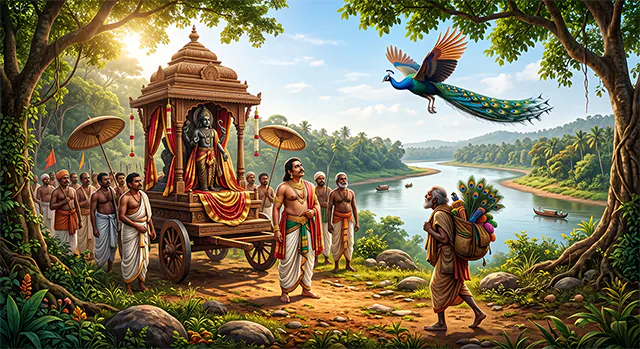
Moved and inspired by this discovery, the noble man immediately turned to the astrologers and priests of the area and inquired about it via a process called Deva-Prashnam, or divine astrology. It was revealed that the idols were of the Dwaraka dynasty. But where to install them?
The divine oracle delivered a highly mysterious message to him:
“You should take the elder brother, Lord Rama and go inland. You must establish the deity precisely where there comes a celestial peacock flying in the bright blue sky.”
The chieftain assembled his party and carried the bulky statue of Lord Rama in a chariot and started moving inland from the coastal region. Days passed into weeks and the search party started getting tired.
One bright afternoon, as they came across a picturesque elevated plot of land just near the meandering river of Theevra, an aged pilgrim carrying a hefty pack of colorful peacock feathers entered the open space in the forest. At that very moment, a colorful peacock flew down from the canopy of a nearby tree.
Vakkayil Kaimal realized that his tedious search had ended. That very plot of earth is the Garbhagriha of the Thriprayar Sree Rama Temple today.
Read More >> Shreenathji Nathdwara Temple
The Curious Story of the Spinning Balikkallu
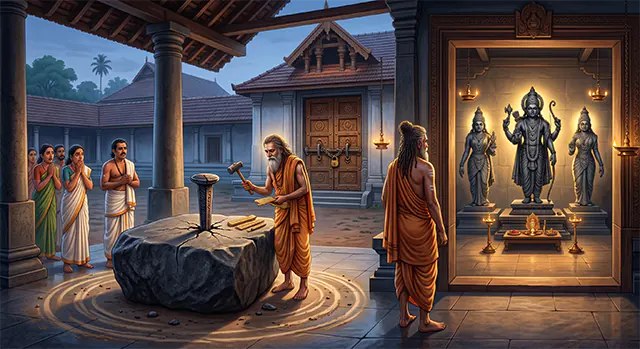
As your guide, here’s a very interesting behind-the-scenes story that most casual tourists miss. Due to a small error in calculating the precise coordinates marked by the peacock, there was a spiritual imbalance (dosham).
In accordance with the legends of the temple, the massive sacrificial altar stone (Balikkallu) located outside the temple in the front courtyard started revolving around its axis without ceasing. The entire local community was terrified.
The massive stone could be controlled only by the presence of an extremely enlightened spiritual mystic and yogi who came to the Thriprayar Temple. With the help of potent and stabilizing mantras, he nailed a heavy iron nail into the stone stopping its revolving.
The spiritual imbalance created by the small mistake in placing the main idol was finally corrected by the revered Saint Vilvamangalam Swamiyar. He placed two supporting idols of Sridevi (Goddess of Wealth) and Bhudevi (Goddess of Earth) on either side of Lord Rama. Then, he closed the western doors of the temple complex which have been locked ever since.
Read More>> Scriptural Mystery of Khatu Shyam Temple: Legend of 3 Arrows
Patronage and Historical Developments
Throughout time, the Thriprayar Sree Rama Temple has seen the emergence and downfall of empires. In terms of the temple’s earliest historical account, the place was looked after by the mighty Zamorin Kings of Calicut. After that, when colonial forces and southern kingdoms struggled with each other for control, the temple was directly taken care of by the Kingdom of Cochin, the Dutch East India Company, and also encountered times of turmoil during the Mysorean invasions. Currently, the temple is taken good care of by the Cochin Devaswom Board to ensure that its traditional practices are not contaminated by modern business.
Spiritual and Religious Importance in the Scriptures
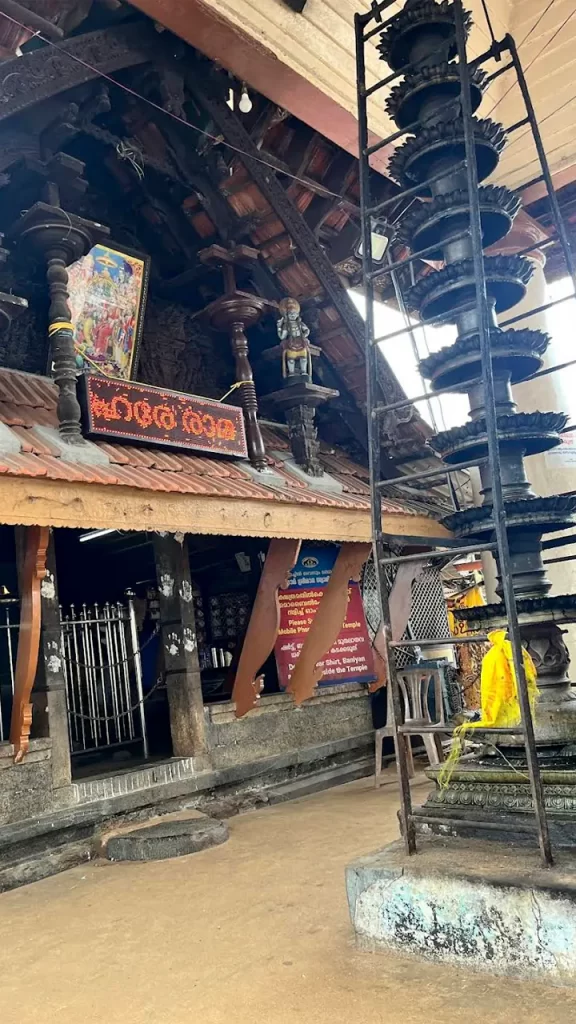
Looking at the idol worshiped as the central deity in the Thriprayar Sree Rama Temple, it is clear that one will not find the common picture of Lord Rama with just a bow and an arrow in hand. Instead, this particular idol is known as Thriprayarappan or Triprayar Thevar.
Trimurti Appearance
The idol is an example of the Chaturbhuja (four-armed) avatar of Lord Vishnu, but it is remarkable for its unique theological feature. He wields:
- Sankha (Conch)
- Sudarsana Chakra (Discus)
- Kodanda Bow
- Prayer Beads Garland
It is due to the specific combination of these features that theologians and saints consider Triprayarappan to be the appearance of the Trimurti (Holy Trinity). Fierce power symbolizes Lord Shiva, peace and protection characterize Lord Vishnu, while wisdom and creation have links to Lord Brahma.
Scriptural Evidence
Whereas most ancient temples have only oral histories, the spiritual geography of the region is well recorded in the books of Padma Purana and certain parts of Skanda Purana. These scriptures contain explicit mention of the sacredness of the rivers that wash the feet of the incarnations of Vishnu on the western coast of Bhargava Kshetra (Parasurama’s reclaimed land).
River Theevra:
The story behind this river states that when Lord Mahavishnu came to visit the king during his Vamana incarnation, he walked through this arid land enroute. However, there was no water to wash his tired feet, so he poured water from his Kamandalu (a water pot). This resulted in the continuous flow of holy water in form of the river known as Thirupurayar (Sacred River) or the present day name Triprayar after centuries of evolution.
Architecture and Design: A Marvel of Wood and Stone
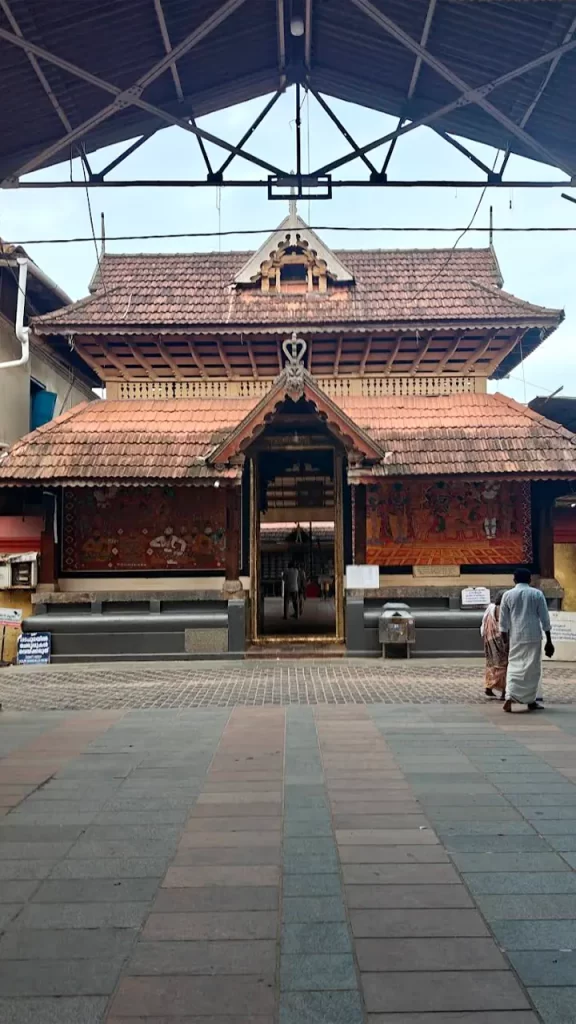
As a guide, this is the point at which I make people stop, gaze up, and just breathe. Thriprayar Sree Rama Temple is a typical text-book example of the old Kerala style of temple architecture that revolves around natural construction, sloped roofs to resist monsoons, and mathematics.
Sreekovil (Sanctum Sanctorum)
The core of the Thriprayar Temple is the Sreekovil, which is unusually circular (Vritta Sreekovil). This stands out from the square or rectangular Gopurams seen in the Dravidian style temples of Tamil Nadu. The circular wall of the Sreekovil is constructed using large laterite blocks, plastered with smooth lime, and topped with a gigantic cone-shaped roof completely covered in copper sheets.
The Masterpiece Namaskara Mandapam
Behind the Sreekovil stands the Namaskara Mandapam (prostration hall), which contains an excellent work of art in the form of wooden ceiling, created by ancient India. There are 24 wooden panels carved beautifully with the depiction of nine planets (Navagrahas) and events from Ramayana.
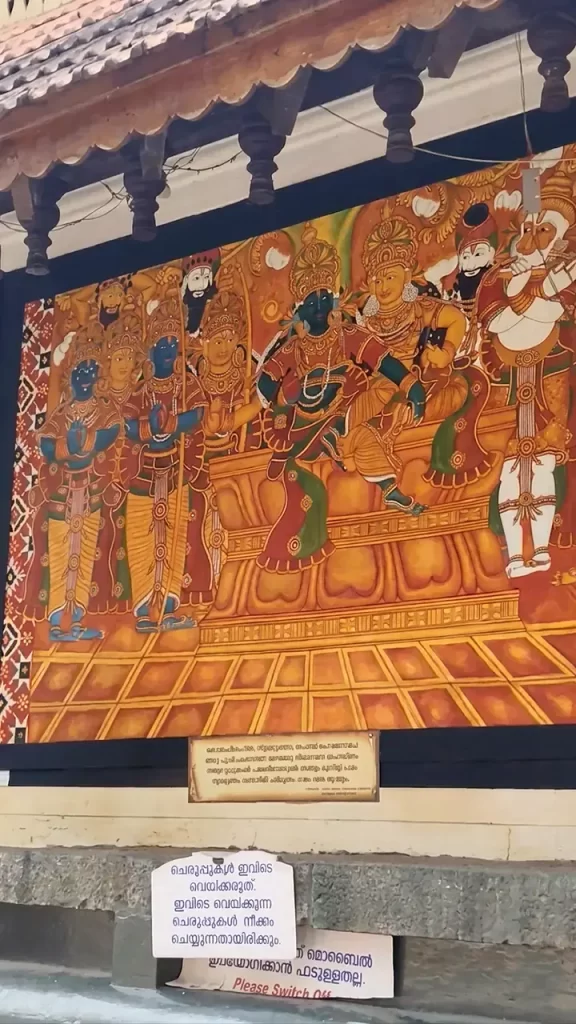
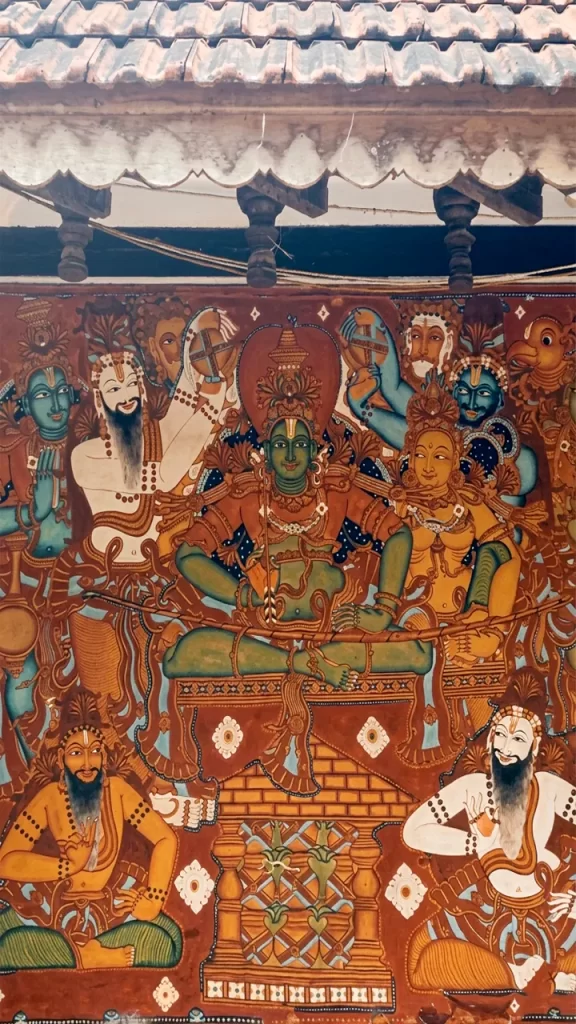
The artisans used local woods such as teak wood and jackfruit trees, and treated them with natural oils so that they would last for many centuries to come. Notice the expressions on the faces of the carved gods; they are so realistic that they almost look human. The outside walls also contain murals painted using natural dyes depicting the burning of Lanka (Lanka Dahan).
Read More >> Gowdagere Chamundeshwari Temple: Famous 61 ft Panchaloha statue
Main Attractions and Highlights Around the Complex
While approaching the Thriprayar Temple through the main entrance gate, refrain from making a direct dash towards the queue. Instead, make a clockwise pradakshina in order to see these following attractions:
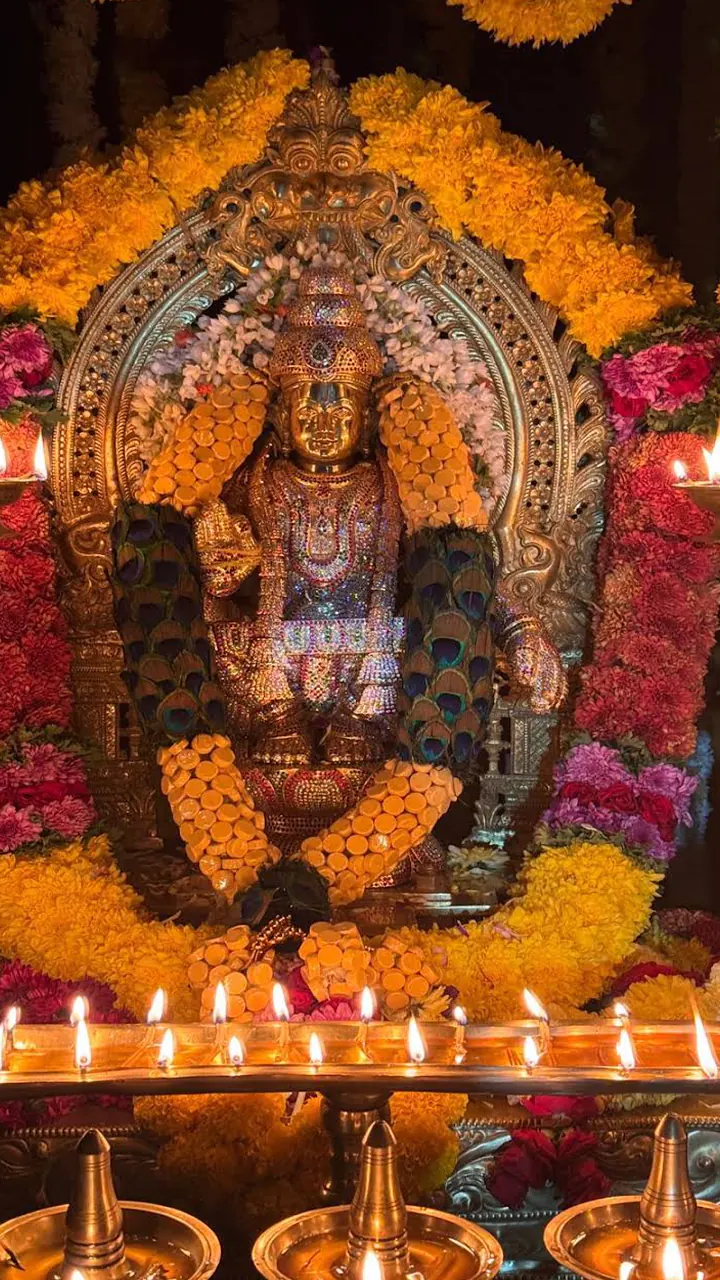
- Garbhagriha: The main sanctuary that houses the 6 feet tall black stone statue of the deity Thriprayarappan who is lit up with the flickering lights of hundreds of traditional oil lamps (Neyvilakku).
- Dakshinamoorthy Shrine: Located at the southern part of the circular sanctum, facing south is Lord Shiva in his role as the cosmic teacher. In fact, it is extremely rare for any active Shiva idol to be present along with Rama in the same main platform, thus emphasizing its Trimurti characteristics.
- The Shrine of Lord Ayyappa: Located in the outer courtyard, this peaceful sub-sanctuary has quite an exciting history associated with it. According to legend, it was constructed precisely at the very place where the sanctum had been planned initially, prior to the intervention of the oracle.
- The Temple Tank and River Ghats: The stone steps (Ghats) which lead right down to the flow of the Theevra River. To stand here during the sunset while listening to the temple bells chiming, is indeed an incredible experience.
Thriprayar Sree Rama Temple Timings and Daily Rituals
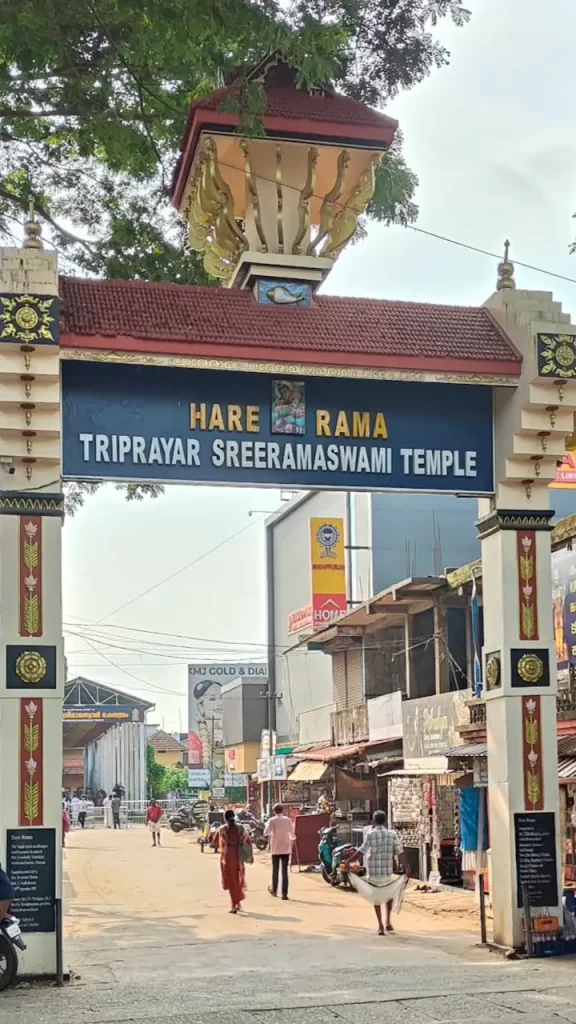
To fully grasp the spiritual essence of the Thriprayar Sree Rama Temple, one must tune his/her visit according to the ancient clock system of the temple.
Scheduling System
The gates of the Thriprayar Temple open at dawn and shut in the afternoon so that the gods can rest and are opened again during the evening twilight prayers.
| Session | Opening Time | Closing Time |
| Morning Darshan | 3:00 AM | 12:00 Noon |
| Evening Darshan | 4:30 PM | 8:30 PM |
Note: It should be noted that in the sacred Malayalam months of Karkidakam (July-August), the mornings can be extended to cope with the tremendous number of pilgrims.
Special Offerings (Vazhipadu)
There are two special rituals in this place, which you have to see or perform:
- Meenootu (Feeding the Sacred Fish): It is the most famous ritual performed at the Thriprayar Sree Rama Temple. Pilgrims buy bowls with popped rice at the counters of the temple and give the rice to the huge quantity of fish living in the adjoining Theevra River. It is believed that those fish are the pets of Thriprayarappan. The performance of Meenootu is considered to be a traditional way of curing bronchitis and giving general health and wealth.
- Kathina Vedi (The Barrel Crackers): If you happen to stand in the courtyard of the Thriprayar Temple and suddenly hear a loud boom that shakes everything around you – don’t be afraid! It is the Vedi Vazhipadu. It is a special ritual performed by firing of the special iron-barrel crackers near the riverbank. This loud ritual reminds of the return of Lord Hanuman from Lanka when he called out: “Drishta Sita!” (I have seen Sita!).

Festivals and Events: When the Courtyards Come Alive
If you wish to witness the temple decked in its best cultural finery, you need to visit during its main festival events. You should know though that this is also when the temple will be more crowded than usual.
Triprayar Ekadasi Festival
This festival is held during the Malayalam month of Vrishchikam (November/December) and is the most significant festival event at the Thriprayar Temple. Whereas most other Vishnu temples in Kerala conduct their festivals during the bright fortnight (sukla paksham), Triprayar celebrates its festival in the dark fortnight (Karutha Paksham).
The reason behind this unique festival date is that according to tradition, on this day, the lord orders all cosmic spirits, Chathans, and guardian gods to remove all negative influences from the lives of His followers. The festival involves a grand elephant procession where over 10 majestic elephants march along with Panchavadyam and Chenda Melam music orchestra.
Arattupuzha Pooram Festival
The Thriprayar Sree Rama Temple has great significance in the famous Arattupuzha Pooram, popularly known as “the Conclave of Gods”. Thriprayarappan is considered to be the chief deity (Perumal) of this festival as well. When the deity visits Arattupuzha in a golden chariot carried on the back of a huge tusker, people from thousands of villages throng roadside areas to have even a brief glance of him.
Travel Information: Arriving at and Facilities for Visitors
Accessing the Thriprayar Sree Rama Temple is not difficult since it is conveniently situated along the coastal road linking important towns in central Kerala.
- By Air: The nearest international airport is Cochin International Airport (COK), which is nearly 60 km away. From the airport, you may avail a pre-paid taxi that will take you to the Thriprayar Temple town in around 1.5 hours.
- By Rail: The nearest important railway station is Thrissur Railway Station, which is nearly 22 km away. Thrissur is extremely well-linked to all important cities of India such as Mumbai, Delhi, Chennai, and Bangalore.
- By Road: There are regular local and long-distance KSRTC buses available from the Thrissur KSRTC bus stand to Triprayar.
Amenities for Visitors
There are clean public bathrooms, water drinking facilities, and counters where one can store their footwear safely. Vegetarian food items (Prasada Oottu) are provided to devotees on a daily basis during lunch time in the dining room. Ramps have been provided for the elderly or physically disabled people to overcome the difficult stone stairs of the traditional layout.
Read More >> Banke Bihari Temple, Vrindavan
Sacred Code: Do’s & Don’ts
To make sure that your visit here is both culturally and spiritually respectful, please remember following guidelines.
The temples of Kerala have more stringent cultural norms than elsewhere in India.
- Dress Code: This dress code policy should be adhered to at all times. Men should wear a traditional Mundu tied to their waists while they need to remove their shirts and vest while entering the inner courtyard of Thriprayar Temple premises. Women should preferably dress in traditional saree/set mundu/salwar kamiz. Wearing western clothes like jeans/shorts/mini skirts/sleeveless clothes is strictly prohibited.
- Photography: You can take pictures of the serene banks of the rivers and the outer wooden boundary walls. But inside the inner boundary (Nalambalam) and near the sanctum sanctorum, photography is absolutely forbidden.
- Items Banned: Leather belts/bags, smoking materials, mobile phones and other electronic devices should be kept back in your vehicle/hotel rooms.
- Cultural Respect: Move in clockwise fashion (called Pradakshina) around the shrines and be silent in the inner courtyard of the temple to help others pray peacefully.
Exploring Beyond: Nearby Attractions
For those of you heading for Triprayar, I would strongly suggest adding some more destinations to your itinerary in the form of fascinating sites situated close by.
Sacred Nalambala Yatra (Four Brothers Pilgrimage)
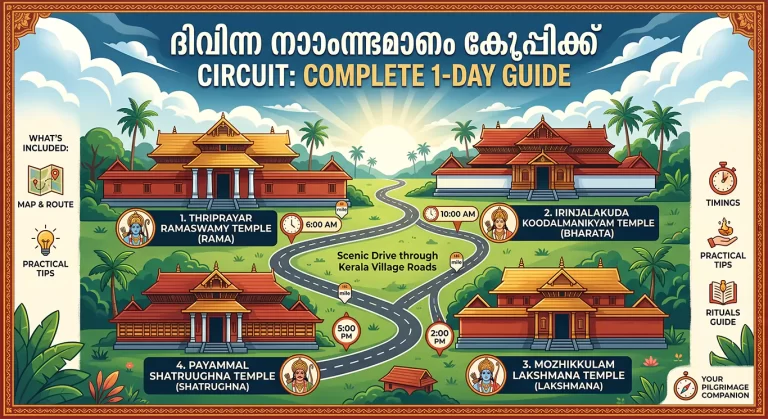
In case your trip is arranged around the magic time of Karkidakam monsoon season, you get an opportunity to join the most popular spiritual road-trip pilgrimage of Kerala – Nalambala Yatra.
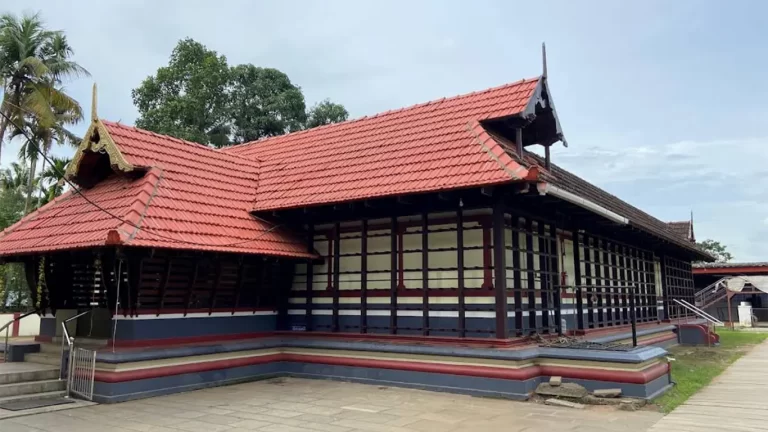
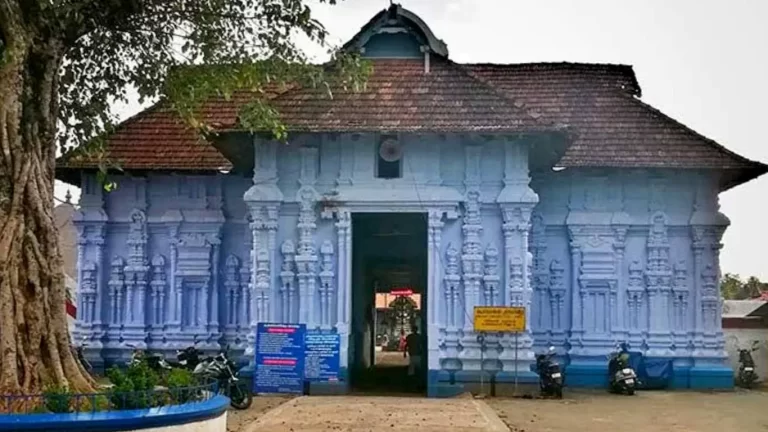
The traditional requirement is to visit respectfully all four temples of the Ramayana brothers in the correct order in one day starting from sunrise to sunset. The good news is that other three temples are not too far away from Triprayar:
- Koodalmanikyam Temple (Irinjalakuda – 20km): A masterpiece temple dedicated to only Lord Bharata in the entire world. Very unusual temple that possesses the largest temple pond with sacred turtles.
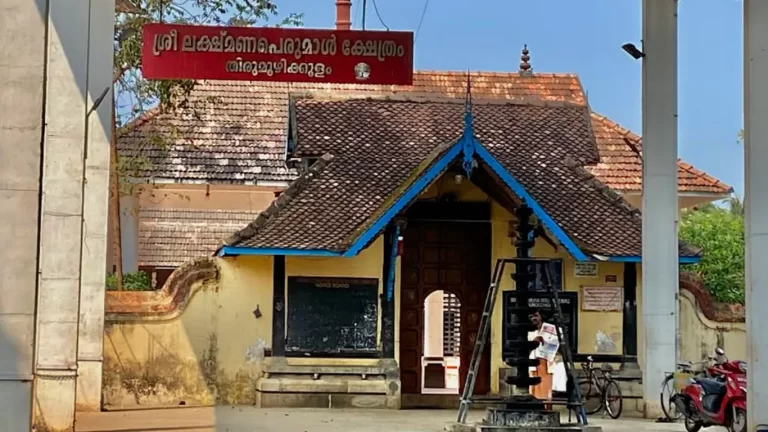
- Thirumoozhikkulam Lakshmana Perumal Temple (Near Aluva – 45 km away): Devoted to Lord Lakshmana, this historic temple is considered one of the 108 Divya Desams (sacred Vaishnava temples) and has wonderful stone carvings that date back to the time of the Chera dynasty.
- Payammal Shatrughna Temple (Near Irinjalakuda – 25 km away): This is the smallest and quietest of the four temples devoted to the youngest son, Lord Shatrughna. A visit to this tranquil place provides an immense feeling of fulfillment and mental satisfaction at the end of a busy day.
Just 24 kilometers from Triprayar, we come across Guruvayur, which houses one of the most frequented and culturally rich temples of India devoted to Lord Krishna (also known as Guruvayurappan). The blend of the fiery majesty of Thriprayarappan and the sweet grace of Guruvayurappan offers an ideal itinerary experience in central Kerala.
Frequently Asked Questions
Q. Is it possible for non-Hindus to enter the Thriprayar Sree Rama Temple?
A. As per the orthodox practices of the region, the entry to the innermost golden section (Nalambalam) is only allowed to those who follow the Hindu religion. Nevertheless, the foreigners as well as non-Hindus are always welcome to visit the outer sand courts, walk through the banks of the river, watch the carvings on wood and take part in the amazing Meenootu (fish feeding).
Q. Why do they call the god a representation of the Trimurti?
A. Although the main incarnation in the Thriprayar Temple is that of Rama, the six-feet tall stone statue of the deity is carved in such a way that it holds the conch shell (Brahma’s element), discus (Vishnu’s) and gives out the powerful energy of Lord Shiva as he wins over the demon Khara.
Q. What is the ideal time to visit Triprayar?
A. There couldn’t be any better time than November to February. These months, being the winters, bring about a substantial reduction in the humidity prevalent in Kerala, and the pleasant weather will allow you to enjoy the Triprayar Ekadasi festival. If you are looking for a spiritually refreshing monsoon season visit, July-August is ideal for the Nalambala Yatra festival.